

Gentle Whitening
These formulas are designed to help lift surface stains from coffee, tea, and food using gentle polishing action and activated charcoal. Georganics does not use peroxide or aggressive abrasives, choosing instead a more balanced approach to whitening that respects enamel and reveals a naturally cleaner, brighter smile over time.
-
Toothpaste with Hydroxyapatite - Activated Charcoal - Fluoride
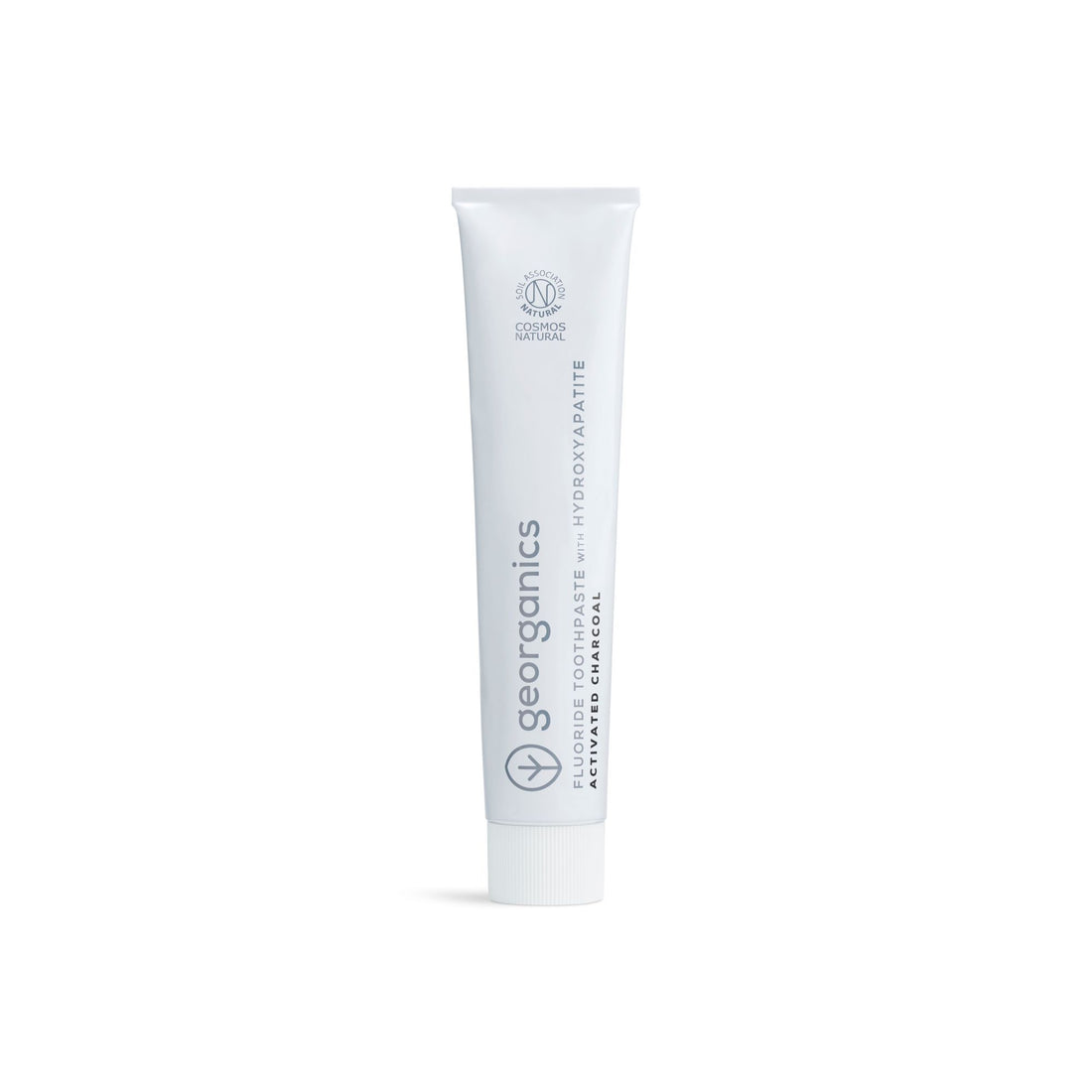
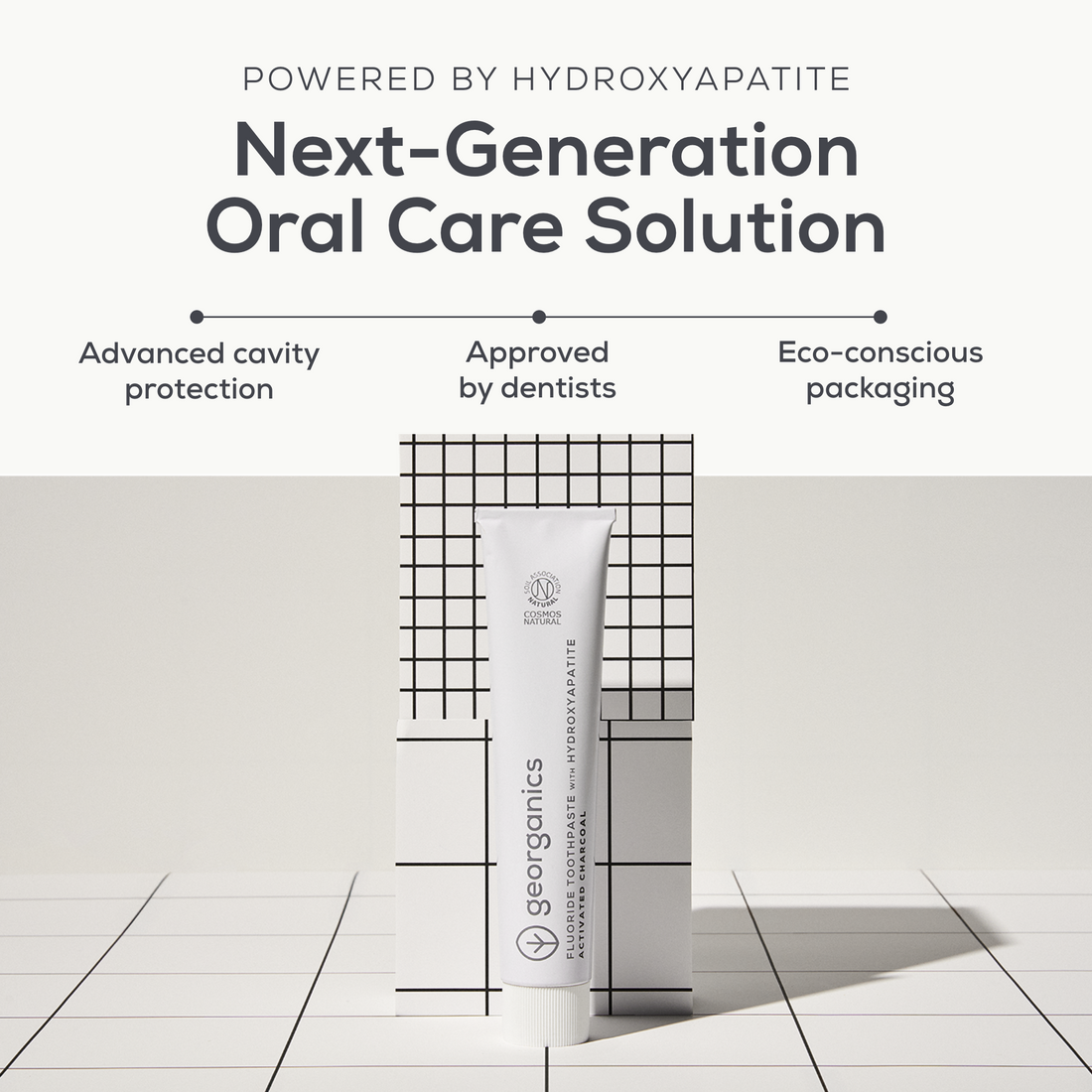 Vendor:Toothpaste with Hydroxyapatite - Activated Charcoal - FluorideGeorganics
Quick view
-
Mineral Toothpaste Powder - Charcoal
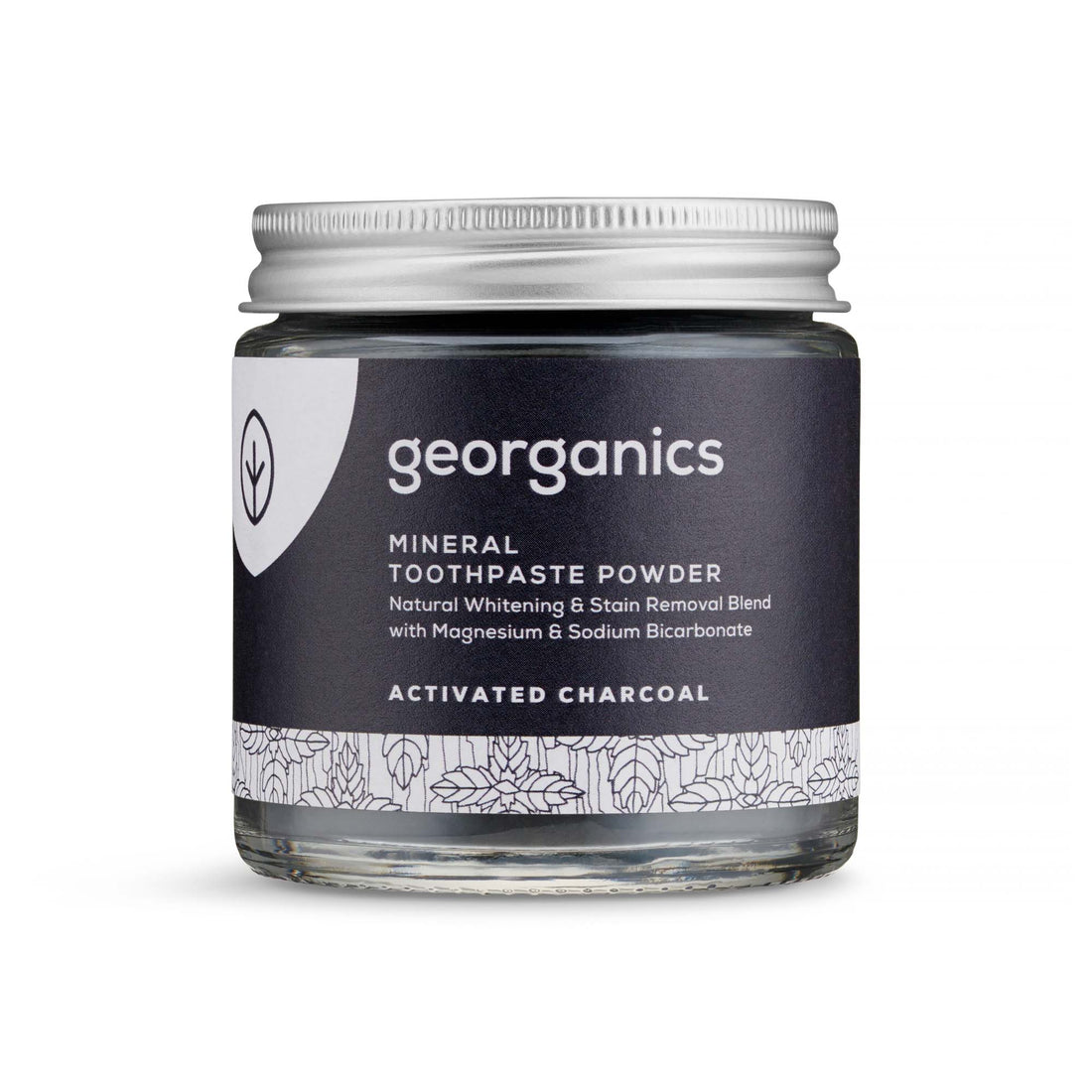
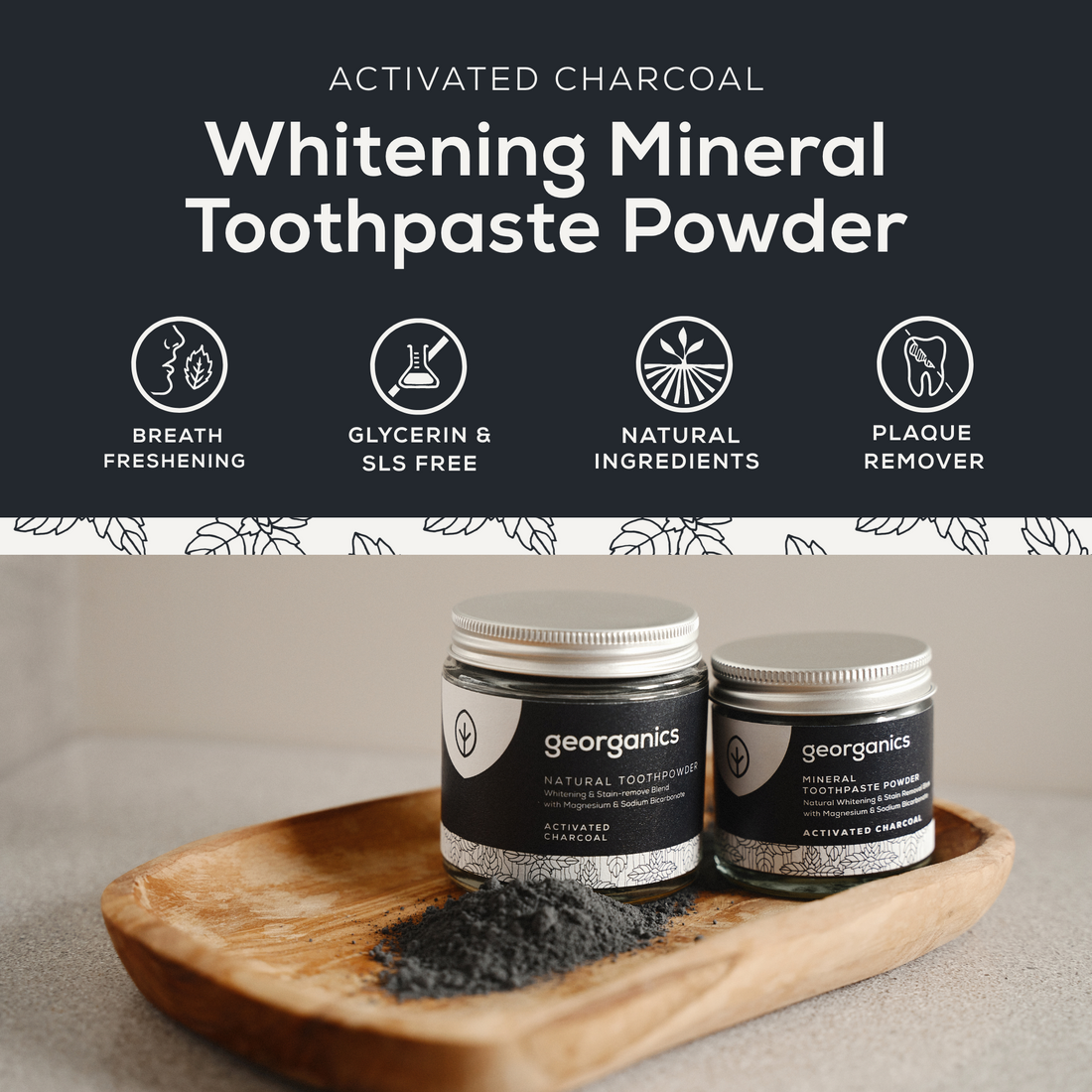 Vendor:Mineral Toothpaste Powder - CharcoalGeorganics
Quick view
-
Fluoride Free Toothpaste - Charcoal
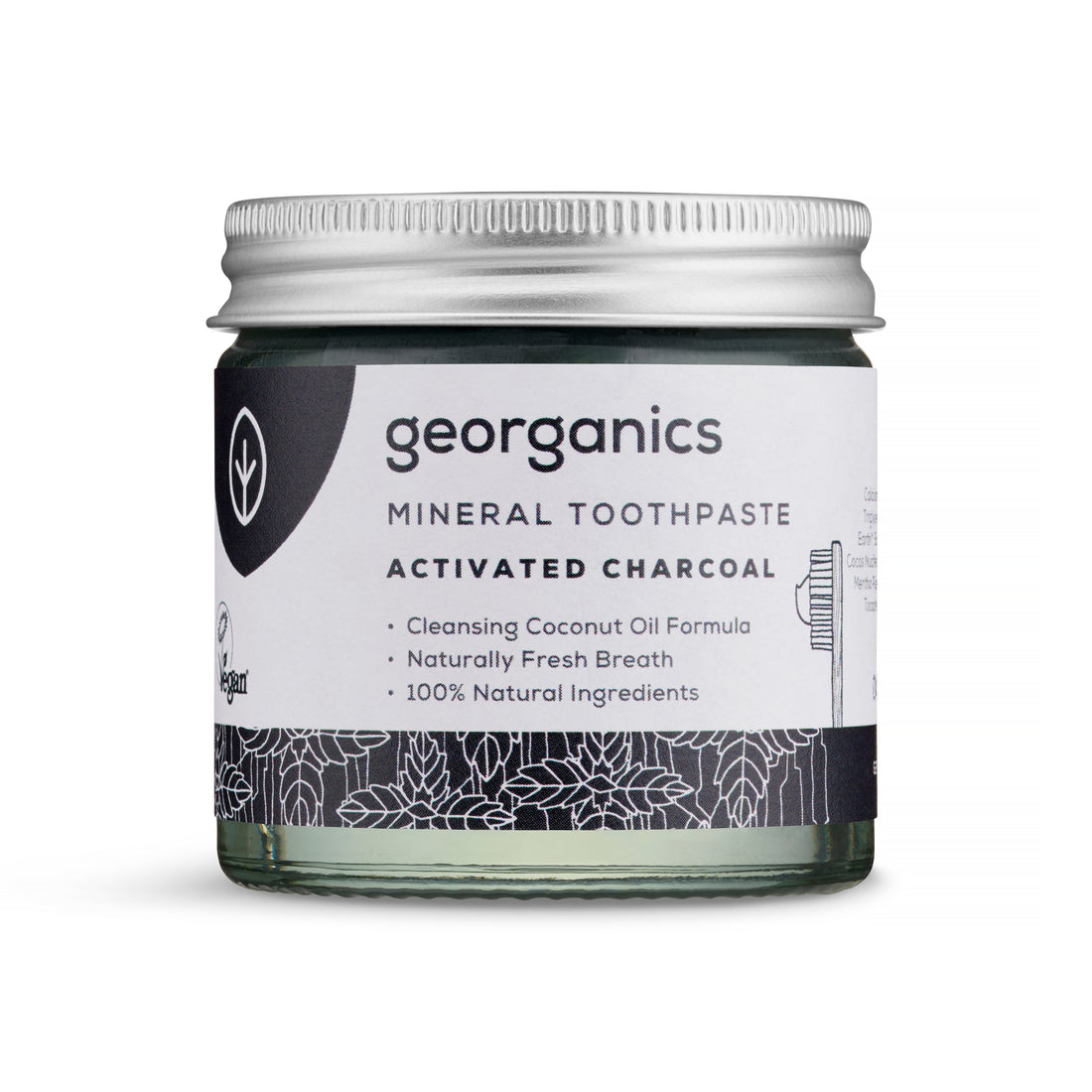
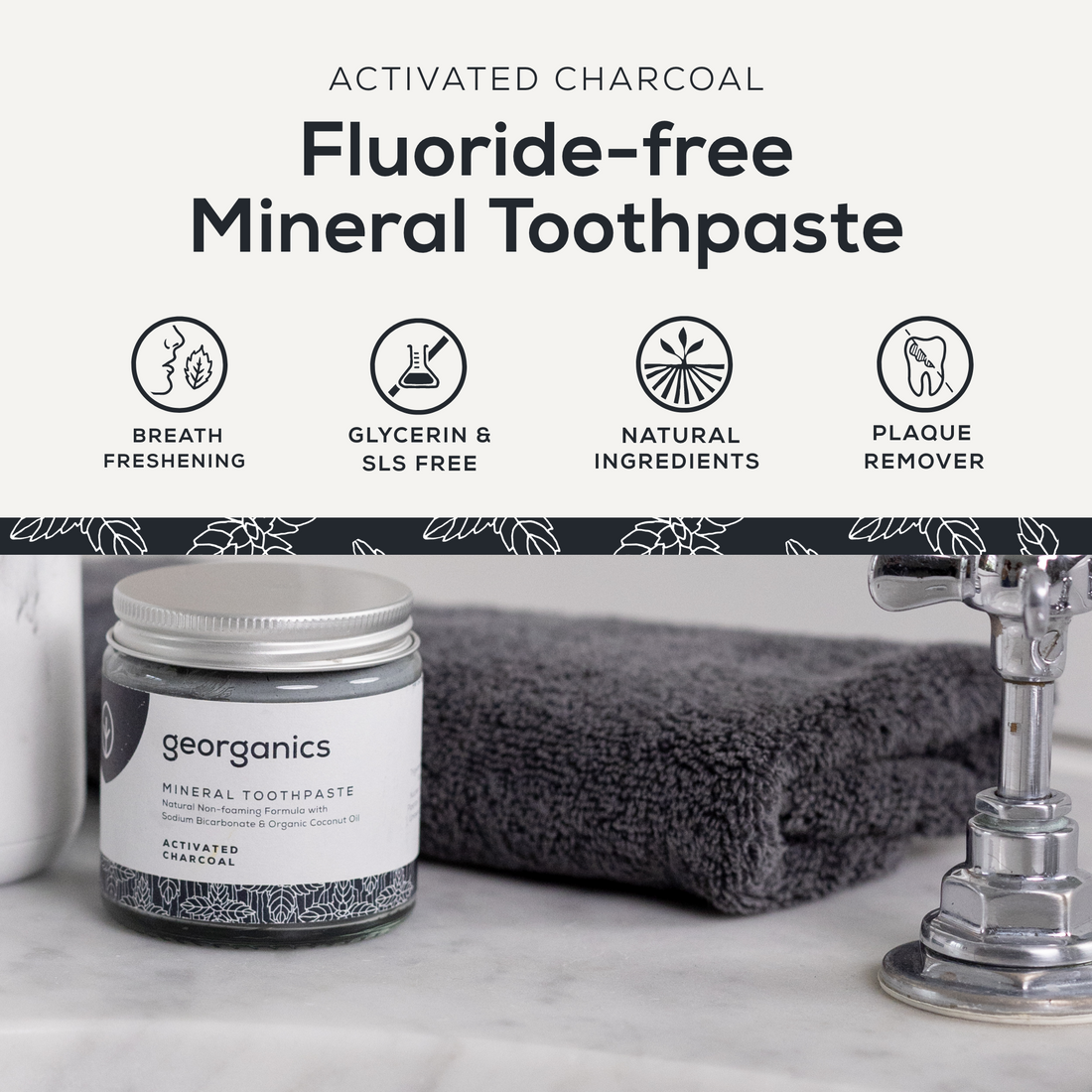 Vendor:Fluoride Free Toothpaste - CharcoalGeorganics
Quick view
-
Oil Pulling Mouthwash - Activated Charcoal
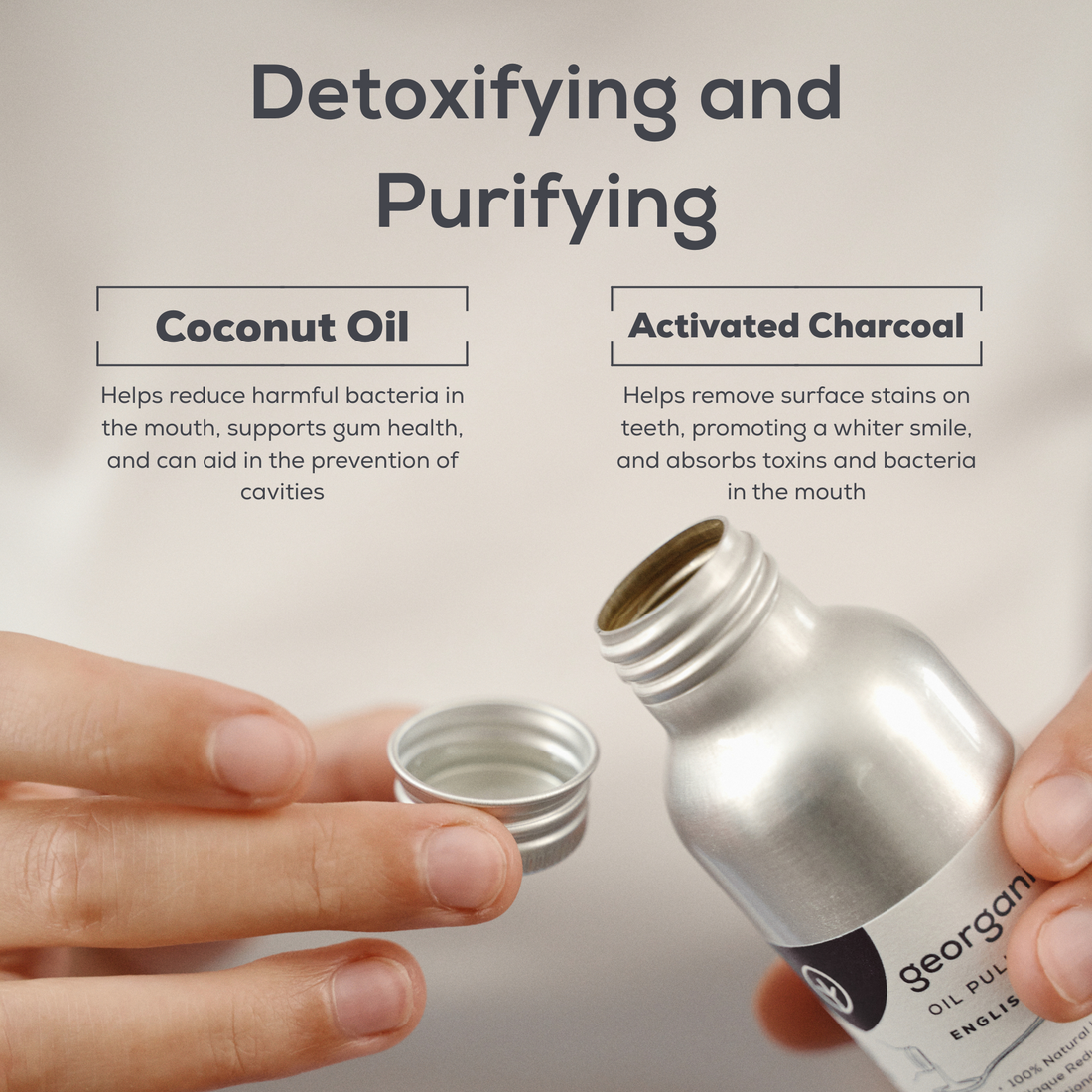 Vendor:Oil Pulling Mouthwash - Activated CharcoalGeorganics
Quick view
-
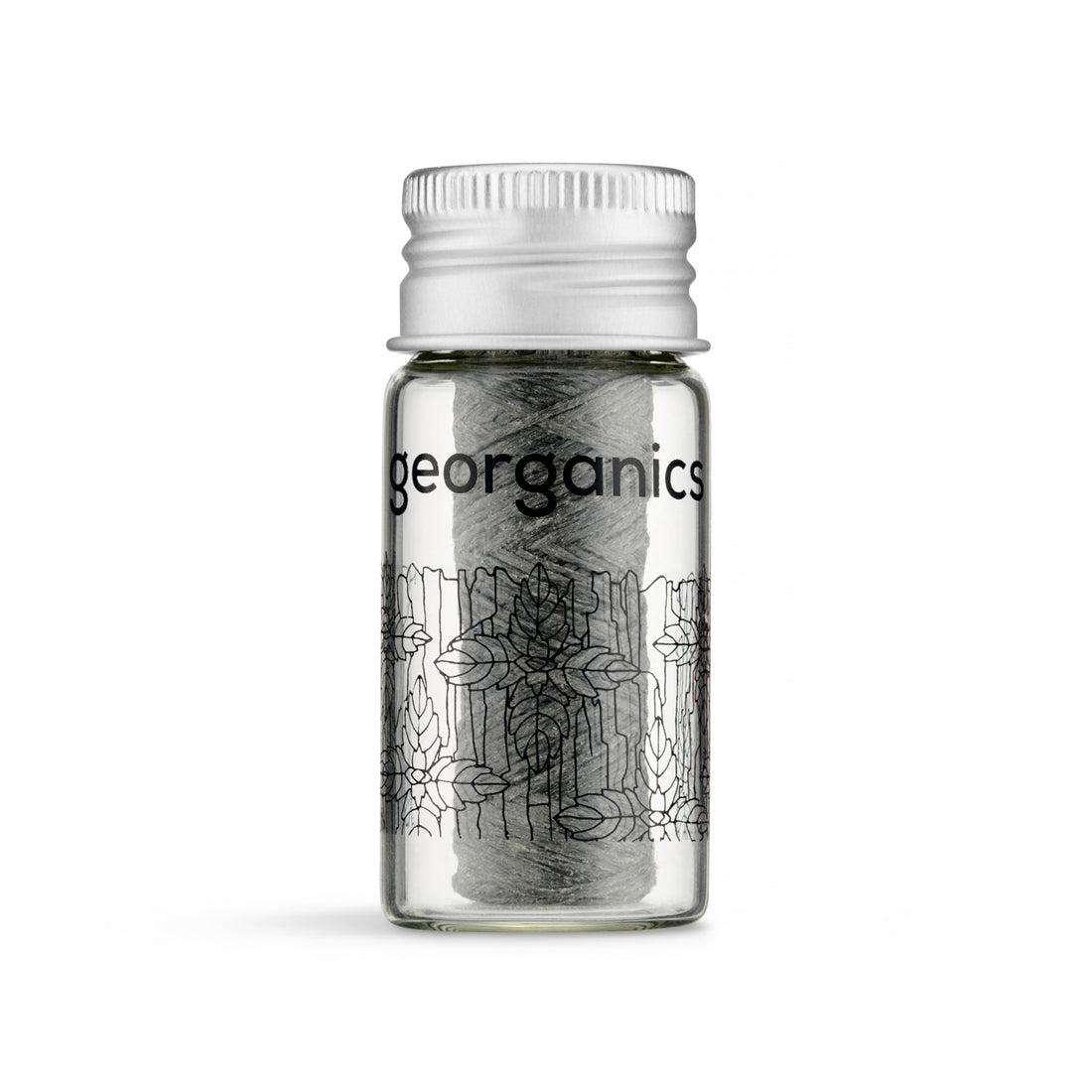
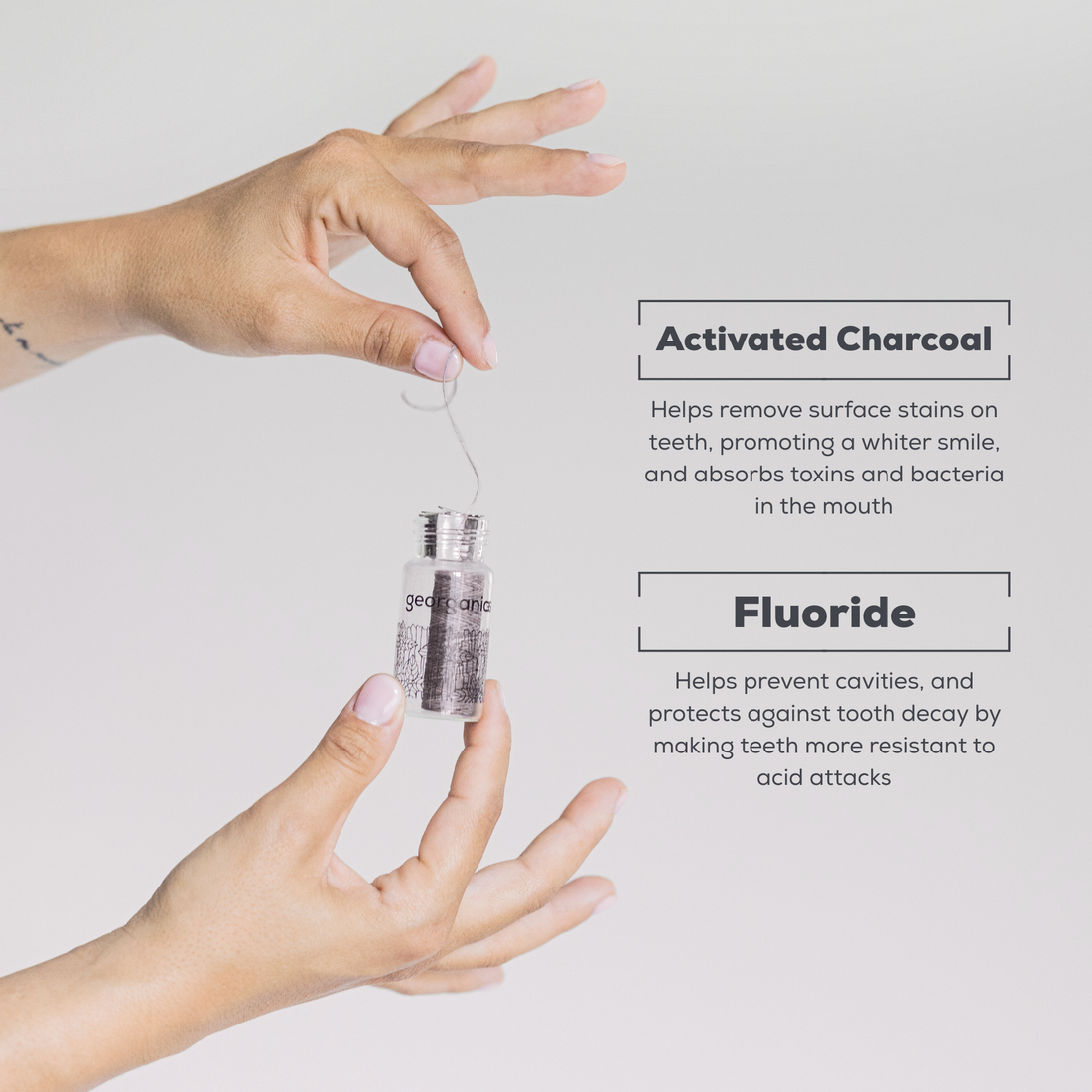
Fluoride Floss - Activated Charcoal
 Vendor:Fluoride Floss - Activated CharcoalGeorganics
Quick view
FAQs
How does activated charcoal whiten teeth?
Activated charcoal is a highly porous material with an enormous surface area, one gram has roughly 3,000 square metres of surface. This porous structure allows it to adsorb (bind to its surface) tannins, chromogens and other staining compounds from tea, coffee, red wine and food. During brushing, the charcoal lifts these surface stains away from the enamel mechanically. Our Hydroxyapatite Toothpaste with Activated Charcoal combines this stainlifting action with enamel remineralisation from micro-hydroxyapatite, so you’re
strengthening your teeth while brightening them. For a deeper whitening clean, our Mineral Toothpaste Powder Charcoal adds kaolin clay polishing to the charcoal adsorption, creating a dual mechanical cleaning process. Results are gradual and cumulative, most people notice a visible difference after 2 to 4 weeks of twice-daily use.
Is charcoal toothpaste safe for enamel?
This depends entirely on the formulation. Some charcoal toothpastes on the market are highly abrasive, which can scratch and wear down enamel over time, the opposite of what you want. Georganics formulates its charcoal products with controlled, low abrasion levels. Our Hydroxyapatite Charcoal Toothpaste (tube) pairs charcoal with micro-hydroxyapatite, which actively remineralises enamel while the charcoal lifts stains, a dual action of cleaning and reinforcing. The key safety indicator is the RDA (Relative Dentin Abrasivity) scale: toothpastes below 250 are considered safe for daily use, and Georganics products sit
well within this range. Our Fluoride Free Charcoal Toothpaste (jar) uses a mineral-based formula alongside the charcoal, adding xylitol for antibacterial protection without increasing abrasion.
Charcoal toothpaste vs whitening strips: what’s the difference?
They target different types of staining through fundamentally different mechanisms. Charcoal toothpaste removes extrinsic stains, the surface discolouration that builds up from food, drink and daily wear. Activated charcoal does this through adsorption and gentle mechanical action, restoring your teeth’s true, clean colour. Whitening strips typically contain hydrogen
peroxide or carbamide peroxide, which penetrate the enamel to bleach the intrinsic colour of the tooth itself. Strips can produce more dramatic whiteness but come with documented risks: increased tooth sensitivity, gum irritation, uneven results, and potential enamel damage with repeated use. Our approach combines charcoal for stain removal with microhydroxyapatite for enamel repair, you’re actively strengthening teeth while brightening them. Safe for daily use, with no sensitivity trade-off.
How to remove tea and coffee stains from teeth?
Tea and coffee stain teeth because they contain tannins, compounds that bind to the
porous surface of enamel and build up over time. Removing these stains requires a twopronged approach: lift what’s already there and slow new build-up. For active stain removal, our Mineral Toothpaste Powder Charcoal uses both activated charcoal (for adsorption) and kaolin clay (for gentle polishing) to target surface discolouration. Our Oil Pulling Mouthwash
Activated Charcoal complements this by drawing out staining compounds from hard-to-reach areas during the swishing process. To slow new staining, rinse your mouth with water immediately after drinking tea or coffee, this prevents tannins from sitting on the enamel long enough to bind. Avoid brushing immediately after acidic drinks; wait at least 30 minutes so you don’t brush softened enamel.
How long does it take to see whitening results?
Most people notice a visible difference after 2 to 4 weeks of consistent twice-daily use. The improvement is gradual and cumulative, each brushing session lifts a small amount of surface staining and contributes to a smoother, cleaner tooth surface that reflects light better. Results vary depending on the type and severity of staining, your diet (heavy tea or coffee consumption will slow visible progress), and your brushing technique. For an enhanced routine, combine a charcoal toothpaste (our tube or jar) with the Mineral Toothpaste Powder Charcoal as an occasional deeper clean, and use our Oil Pulling. Mouthwash Activated Charcoal in the morning before brushing. Brush for the full two minutes with gentle circular motions. Regular professional dental cleaning also complements daily whitening care.
What is oil pulling and can it whiten teeth?
Oil pulling involves swishing oil in the mouth for 10 to 20 minutes, allowing the oil to bind to bacteria, toxins and staining compounds before spitting it out. The whitening effect comes from two mechanisms: the oil’s ability to dissolve and lift lipid-soluble staining compounds from the tooth surface, and the reduction of plaque (which can yellow the teeth). Our Oil Pulling Mouthwash Activated Charcoal adds charcoal’s adsorption properties to coconut oil’s
cleansing action, making it more effective at drawing out staining compounds than plain oil pulling. It reaches areas that brushing can’t, particularly between teeth and along the gumline. For whitening, oil pulling works best as a complement to charcoal toothpaste, not a standalone solution, the combination of oil pulling plus brushing addresses stains both mechanically and through adsorption.
Does Georganics whitening toothpaste contain peroxide, bleach or harsh abrasives?
No. Our whitening range uses zero peroxide, zero bleach and no harsh abrasive particles.
Where many whitening products rely on hydrogen peroxide to chemically bleach the tooth (which can cause sensitivity and enamel damage), Georganics uses activated charcoal’s adsorption properties and kaolin clay’s gentle polishing action to lift stains mechanically. Our formulations also exclude SLS, blue covarine (an optical whitening agent used in some ‘instant whitening’ toothpastes for an illusion effect), and microplastic abrasives. The Hydroxyapatite Charcoal Toothpaste goes further by actively remineralising enamel during the whitening process. Every ingredient has a function: charcoal adsorbs stains, kaolin clay polishes, micro-hydroxyapatite repairs, xylitol protects against decay