

Sensitive Teeth
When you have sensitive teeth, even brushing can feel like a challenge. Our sensitive oral care is powered by micro-hydroxyapatite to help strengthen and remineralise enamel while protecting exposed, vulnerable areas of the teeth to reduce sensitivity, making daily care feel gentler, more comfortable, and effective.
-
Toothpaste with Hydroxyapatite - Fresh Mint - Fluoride
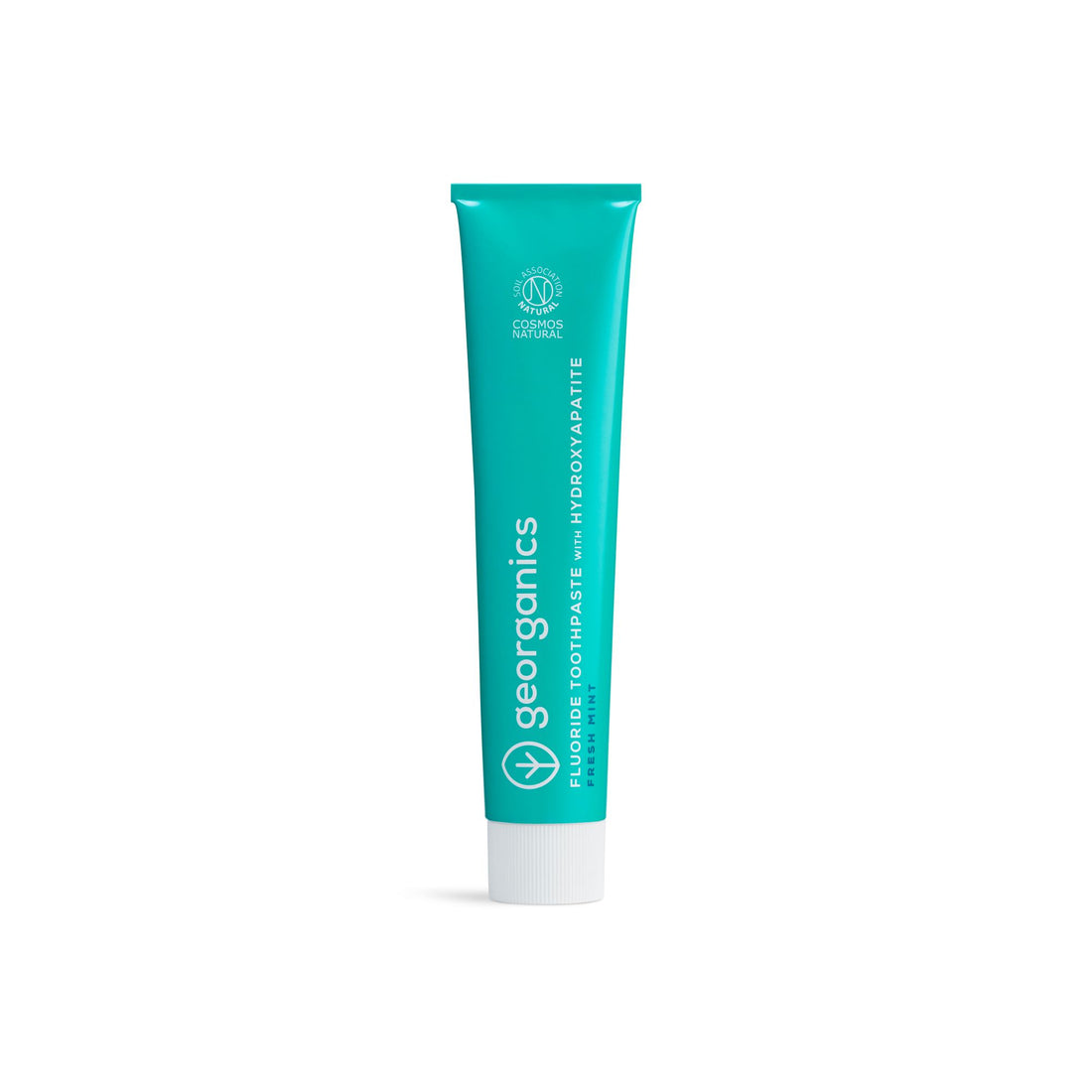
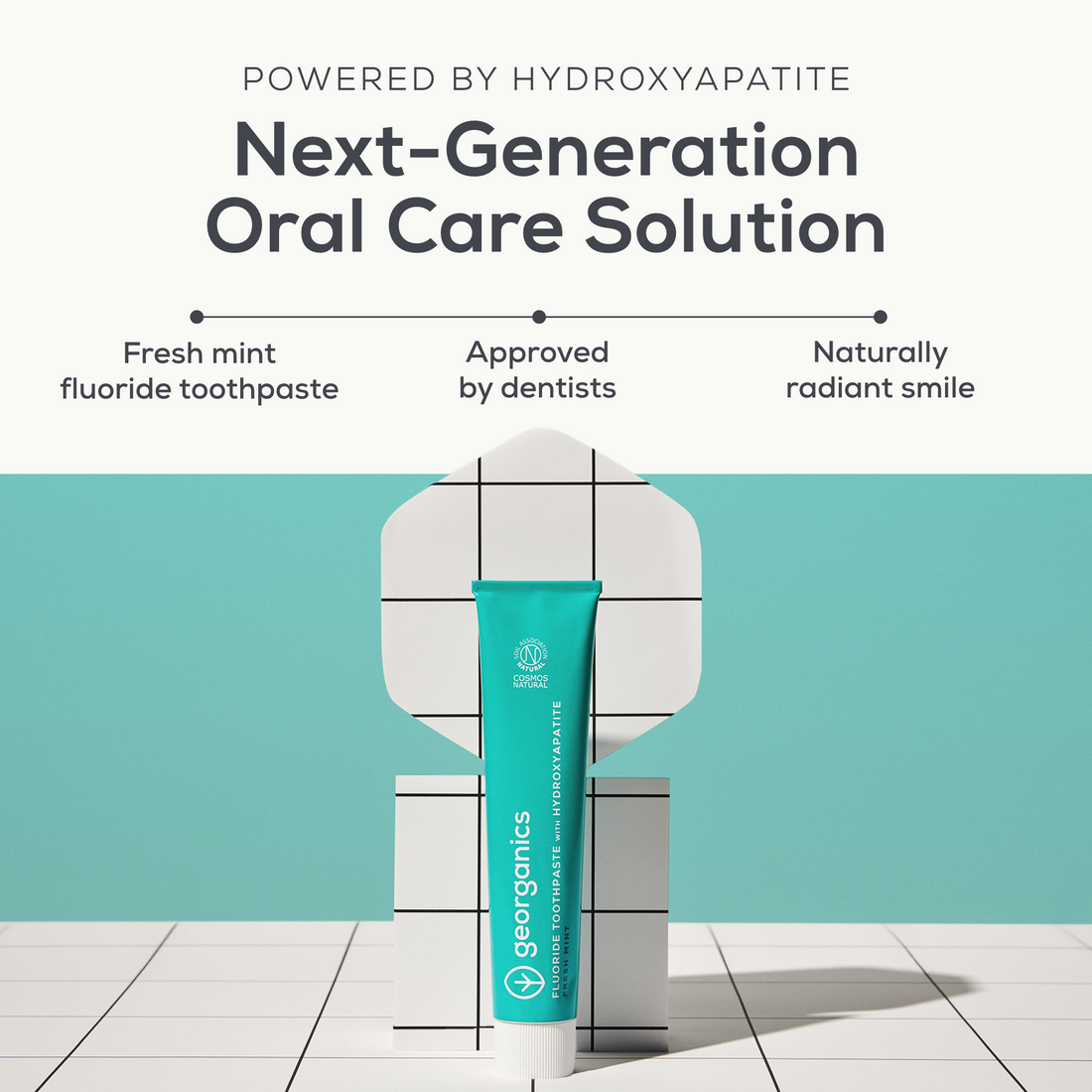 Vendor:Toothpaste with Hydroxyapatite - Fresh Mint - FluorideGeorganics
Quick view
-
NEW - Toothpaste with Hydroxyapatite - Fennel - Fluoride Free
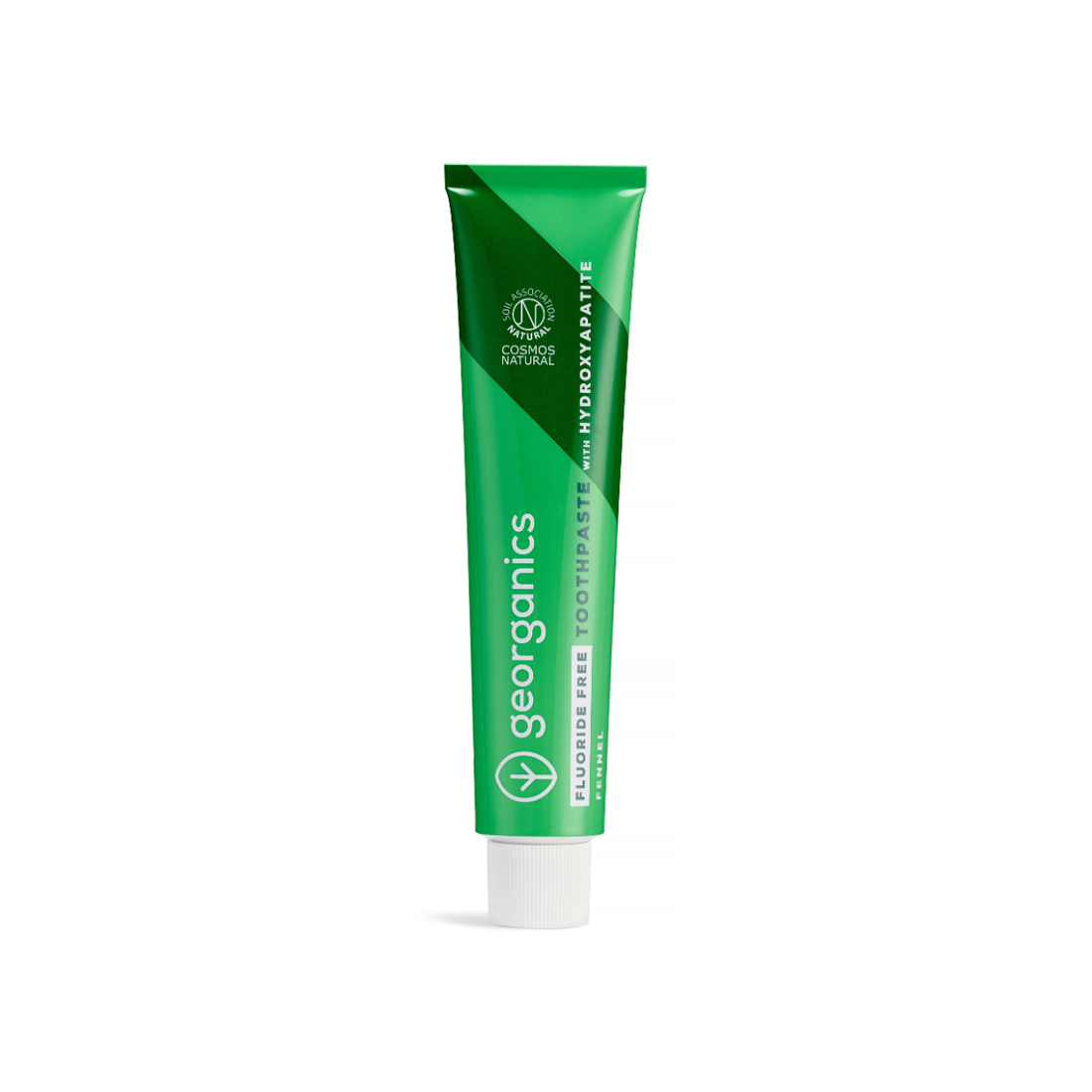
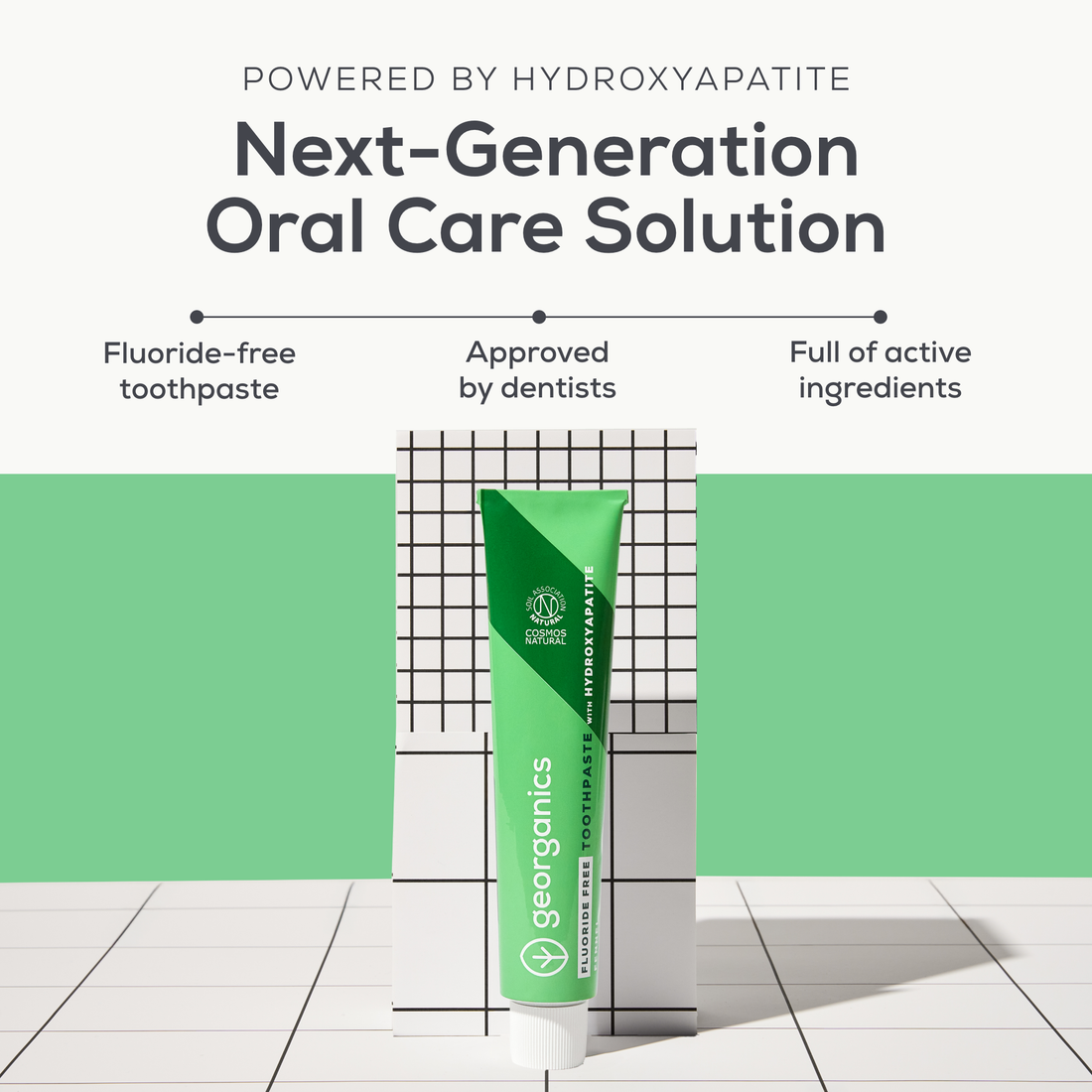 Vendor:NEW - Toothpaste with Hydroxyapatite - Fennel - Fluoride FreeGeorganics
Quick view
-
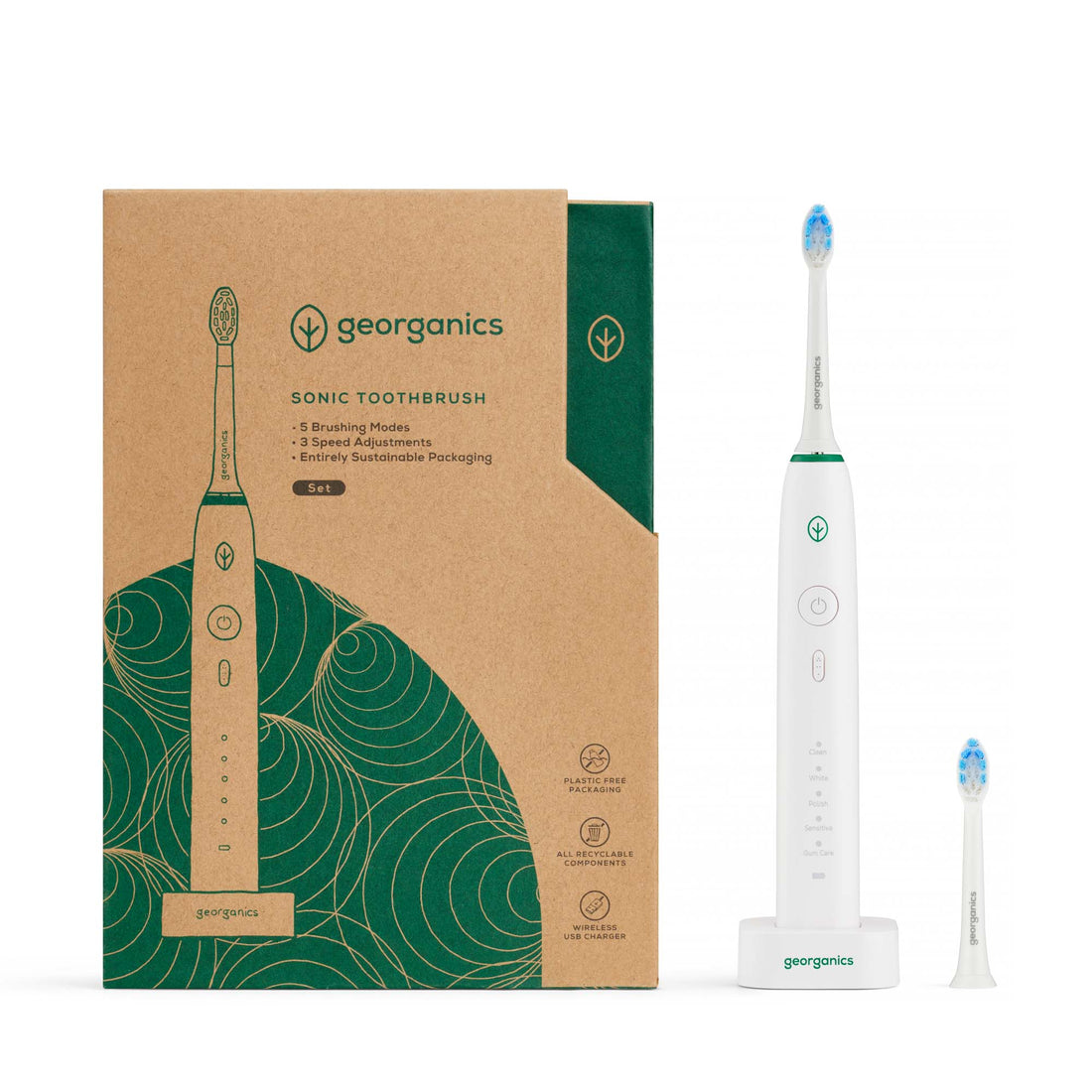
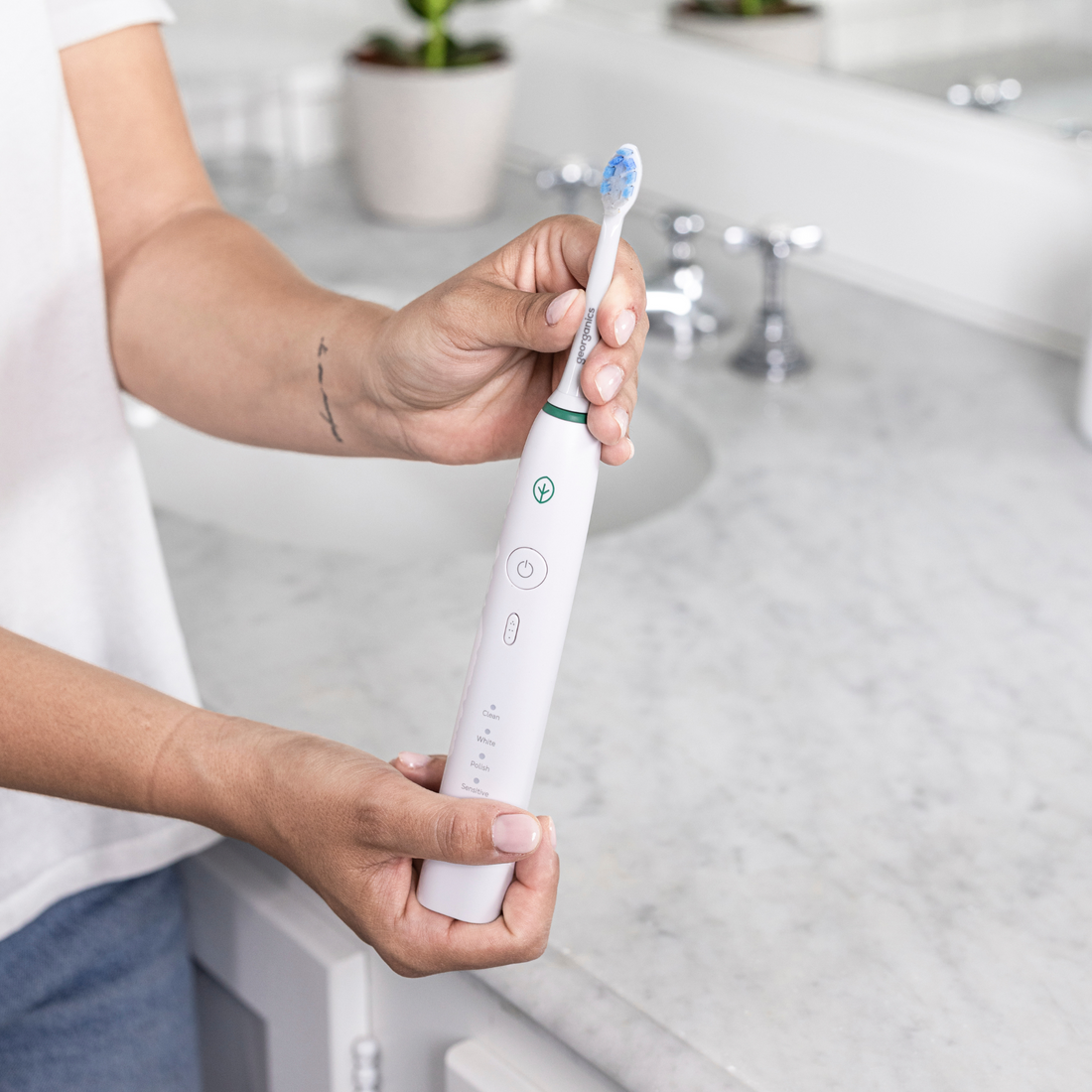
Sonic Toothbrush Set - 50000 Strokes Per Minutes
 Vendor:Sonic Toothbrush Set - 50000 Strokes Per MinutesGeorganics
Quick view

FAQs
How does hydroxyapatite work for sensitive teeth?
Hydroxyapatite is a biocompatible mineral that makes up over 90% of your tooth enamel. When applied through toothpaste, it bonds with the tooth surface and helps fill micro-cracks and occlude the exposed dentinal tubules that cause sensitivity. These tubules are tiny channels in the dentine that lead directly to the nerve, when they’re open and exposed, hot, cold and sweet triggers reach the nerve and produce pain. Hydroxyapatite physically blocks these channels by depositing mineral material into them, essentially rebuilding the tooth’s protective barrier. Unlike numbing agents that temporarily block pain signals without
addressing the cause, hydroxyapatite works at a structural level. Both our Hydroxyapatite
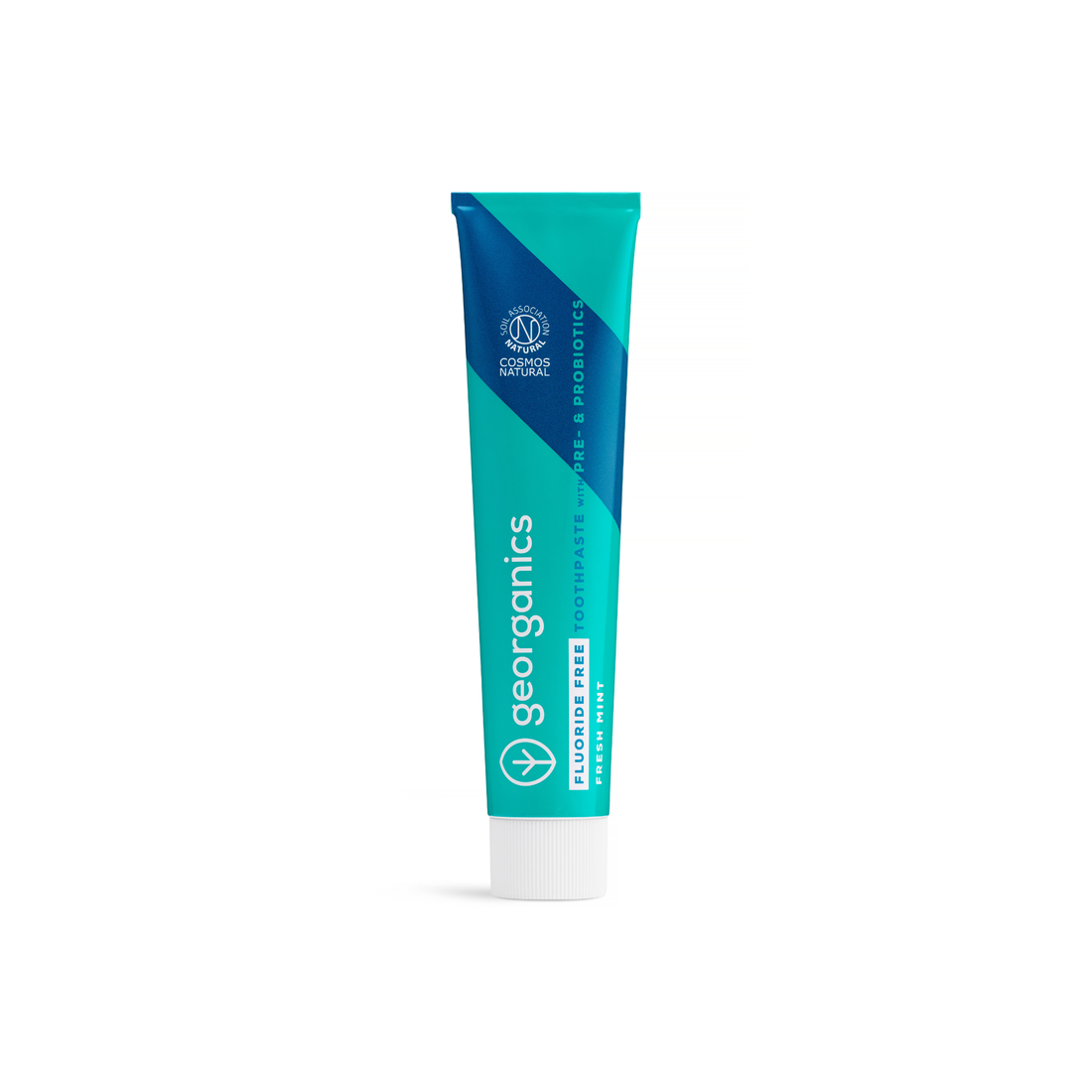
Toothpaste Fresh Mint (with fluoride) and Fennel (fluoride-free) deliver this mineral with every brush. Results build over time with consistent use.
Hydroxyapatite vs potassium nitrate: which is better for sensitivity?
They work through completely different mechanisms. Potassium nitrate, the active
ingredient in most conventional sensitivity toothpastes like Sensodyne, works by
depolarising the nerve inside the tooth, temporarily reducing its ability to transmit pain signals. The relief is real but symptomatic: stop using the product and sensitivity typically returns, because the underlying exposed tubules remain open. Hydroxyapatite takes a structural approach: it physically fills and seals the exposed dentinal tubules with biocompatible mineral, addressing the cause rather than masking the symptom. Over time, with consistent use, the remineralisation is cumulative, each application deposits more mineral. Research has shown hydroxyapatite toothpaste to be effective for reducing sensitivity, with the added benefit of genuine enamel repair rather than temporary nerve suppression.
Why does SLS in toothpaste cause sensitivity?
Sodium lauryl sulfate (SLS) is a foaming agent added to toothpaste purely to create lather, it serves no cleaning function. However, SLS strips the protective mucous layer that lines the inside of the mouth (the oral mucosa). Once this barrier is compromised, the soft tissues become more prone to irritation, dryness and micro-damage. For people already experiencing sensitivity, this adds chemical irritation on top of the structural sensitivity from
exposed dentine. SLS is also a well documented trigger for recurrent mouth ulcers and canker sores. Every Georganics toothpaste is formulated without SLS because the ingredient adds nothing functional and the potential for irritation is well established in the literature. Removing SLS from your routine is one of the simplest changes you can make for sensitive teeth and gums.
Can sensitive teeth be reversed?
It depends on the cause. If sensitivity is due to early enamel erosion or minor
demineralisation, consistent use of a remineralising toothpaste with hydroxyapatite can help rebuild the mineral structure and reduce discomfort over time. Hydroxyapatite fills microcracks and blocks the exposed dentinal tubules that transmit pain signals to the nerve. If sensitivity is caused by gum recession exposing the tooth root, the recession itself can’t be
reversed with toothpaste, but you can protect the exposed surface and reduce the pain response. Our Prebiotics & Probiotics Toothpaste supports gum health through microbiome balance, which may help slow further recession. In all cases, switching to a soft-bristled brush or a pressure-controlled sonic toothbrush prevents additional damage from brushing. If sensitivity appears suddenly or is severe, see your dentist to rule out a crack or cavity.
Electric or manual toothbrush for sensitive teeth?
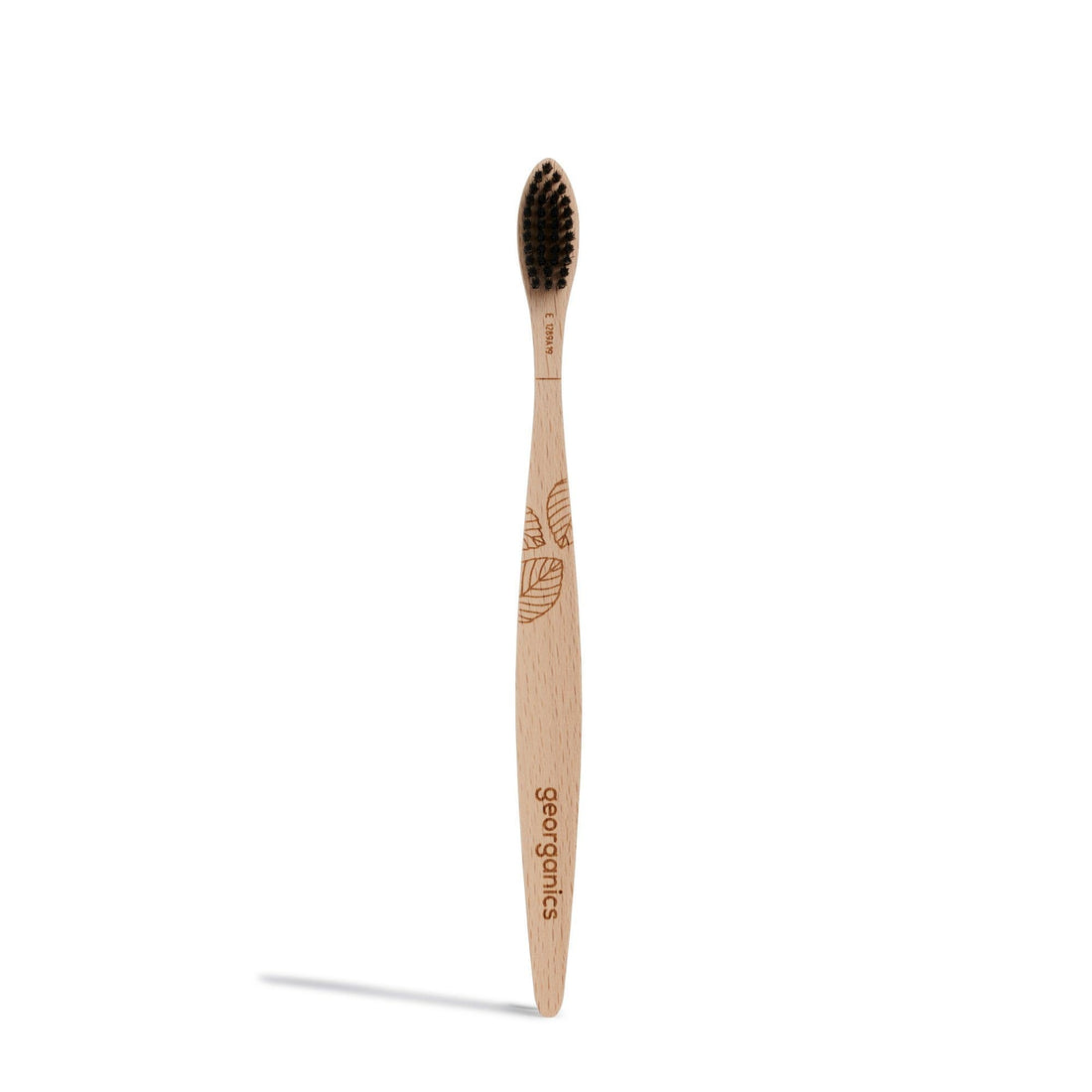
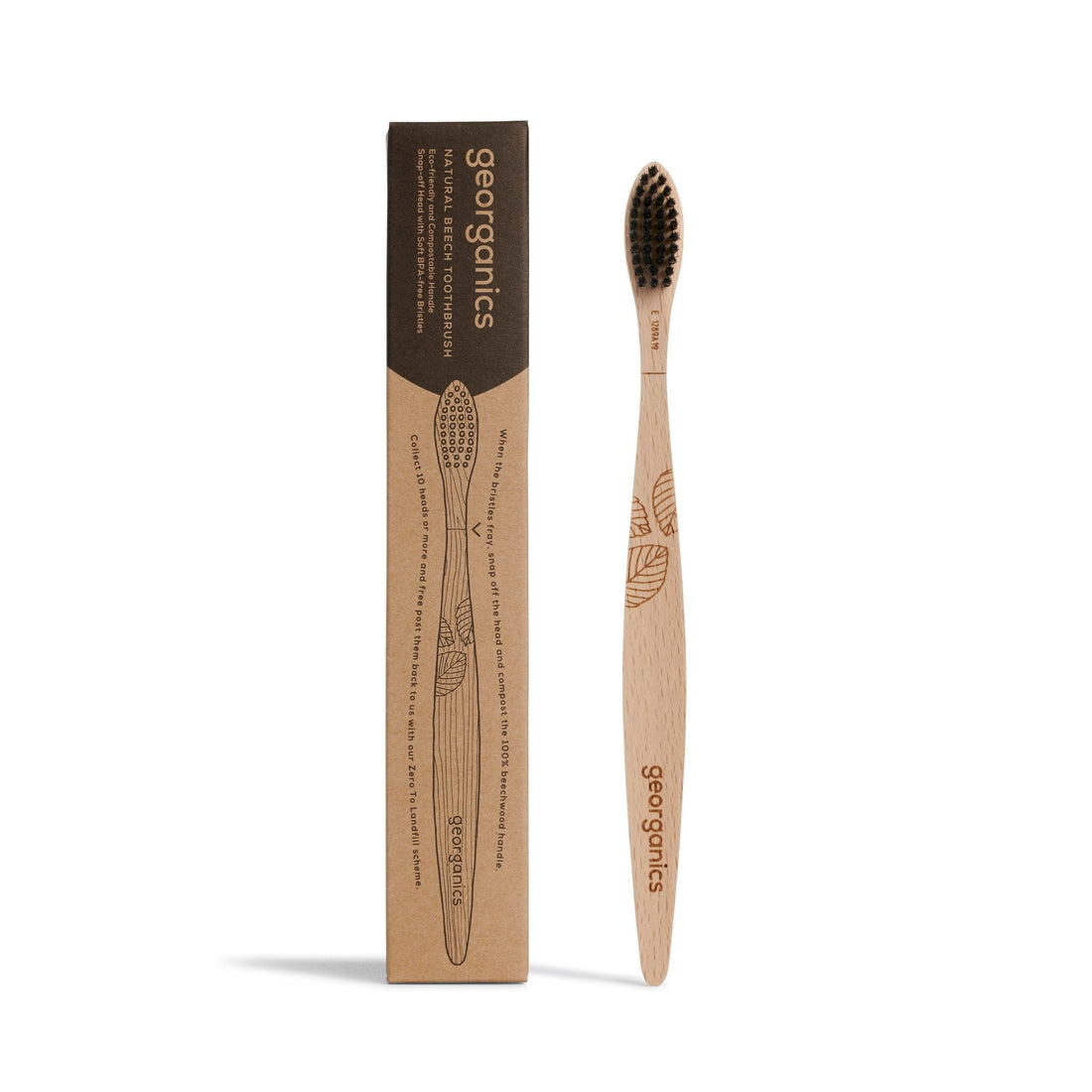
A sonic toothbrush is often the better choice for sensitive teeth. The most common cause of brushing-related sensitivity is pressing too hard with a manual brush, which gradually wears away enamel and pushes gums back, exposing more dentine. Our Sonic Toothbrush (50,000 strokes per minute) removes the guesswork: the high-frequency vibrations do the cleaning work, so you don’t need to apply pressure. The built-in 2-minute timer also prevents over-brushing any one area. If you prefer a manual brush, our Beechwood Toothbrush in Soft firmness is designed for gentle cleaning, the softer bristles flex around the tooth surface rather than scrubbing aggressively across it. Whichever you choose, the key principle is the same: let the tool and the toothpaste do the work, not force.
What foods and drinks make tooth sensitivity worse?
Acidic and very hot or cold items are the main triggers. Citrus fruits (oranges, lemons,
grapefruit), tomatoes, vinegar-based dressings, fizzy drinks (including sparkling water), wine, and fruit juices all lower the pH in your mouth and temporarily soften enamel. Very hot tea or coffee and ice-cold drinks trigger pain through the exposed dentinal tubules. Sugar doesn’t cause sensitivity directly but feeds the bacteria that produce enamel-eroding acid. To
manage sensitivity: avoid brushing for at least 30 minutes after acidic food or drink (brushing softened enamel accelerates wear), drink acidic beverages through a straw to limit contact with teeth, rinse with plain water after eating acidic foods, and use a remineralising toothpaste like our Hydroxyapatite range to help repair and strengthen enamel between acid
exposures.
Does Georganics sensitive toothpaste contain chemicals like SLS or parabens?
No. Our sensitive range is formulated without SLS, parabens, synthetic preservatives, artificial sweeteners or artificial colours. This matters particularly for sensitivity because SLS directly irritates already vulnerable tissue, and parabens and synthetic preservatives are simply unnecessary when the formulation is designed with purpose-driven ingredients. Every ingredient in our sensitive teeth products has a specific function: hydroxyapatite remineralises and seals tubules, erythritol inhibits harmful bacteria, essential oils provide flavour. Nothing is included without a clear role. The result is a toothpaste that works with
your mouth rather than adding unnecessary irritants to an already sensitive environment.