

Cavity Protection
Protecting against cavities begins with strengthening enamel. Our cavity care approach is built around effective remineralising formulas designed to support enamel against everyday acid wear, including both (micro)hydroxyapatite and mineral-rich alternatives. With fluoride and fluoride-free options available, you can choose the option that best fits your routine while supporting long-term enamel health.
-
Toothpaste with Hydroxyapatite - Fresh Mint - Fluoride
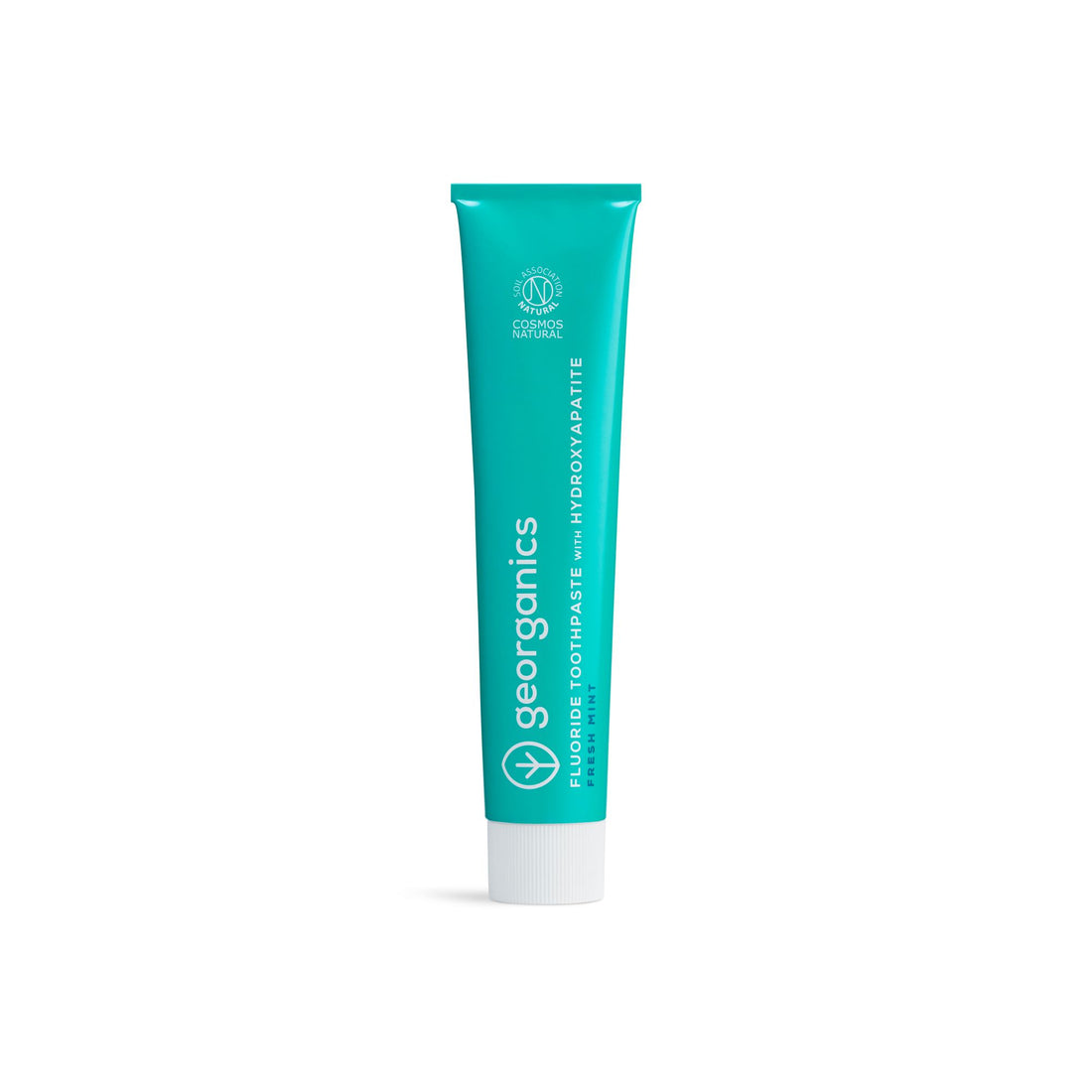
 Vendor:Toothpaste with Hydroxyapatite - Fresh Mint - FluorideGeorganics
Quick view
-
NEW - Toothpaste with Hydroxyapatite - Fennel - Fluoride Free
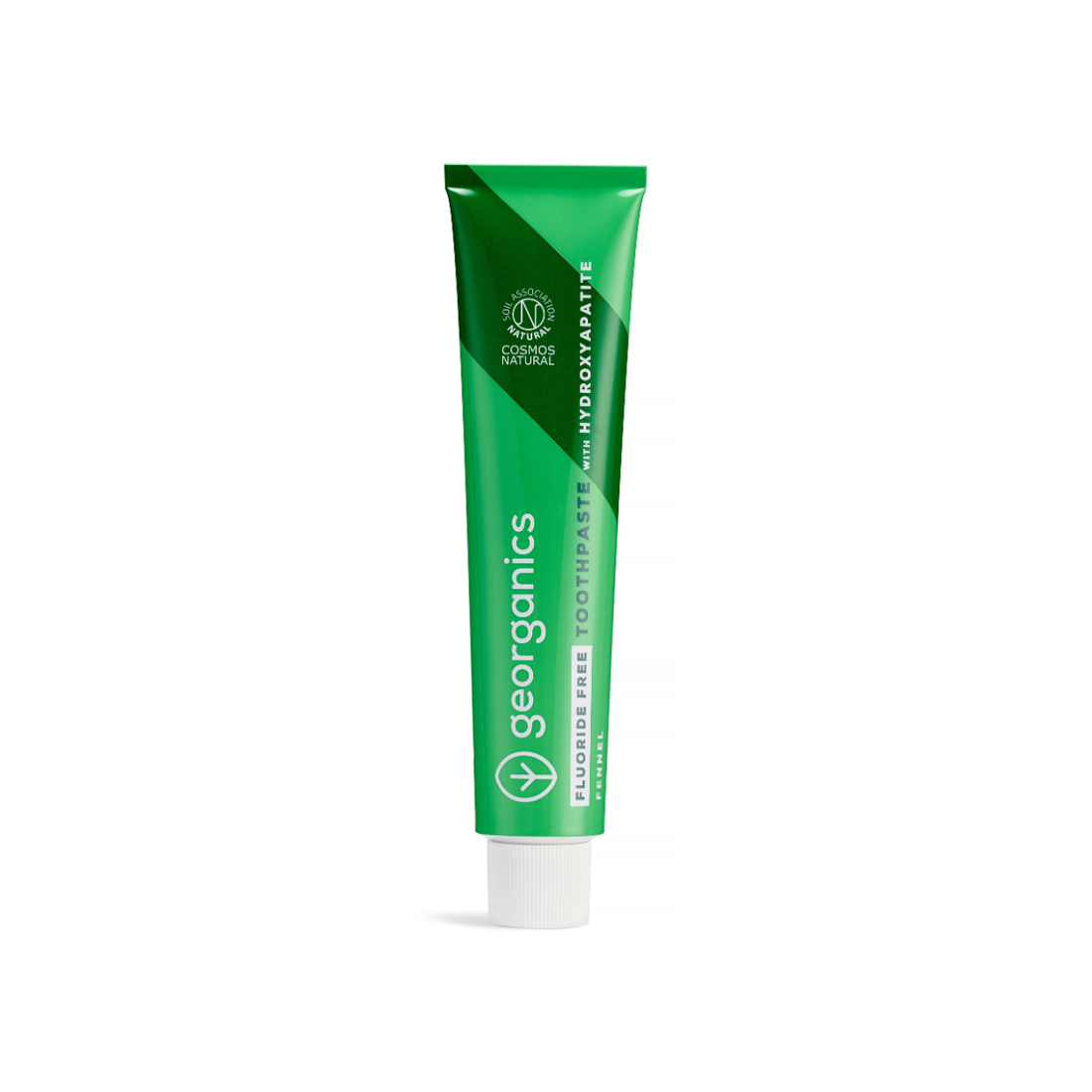
 Vendor:NEW - Toothpaste with Hydroxyapatite - Fennel - Fluoride FreeGeorganics
Quick view
-
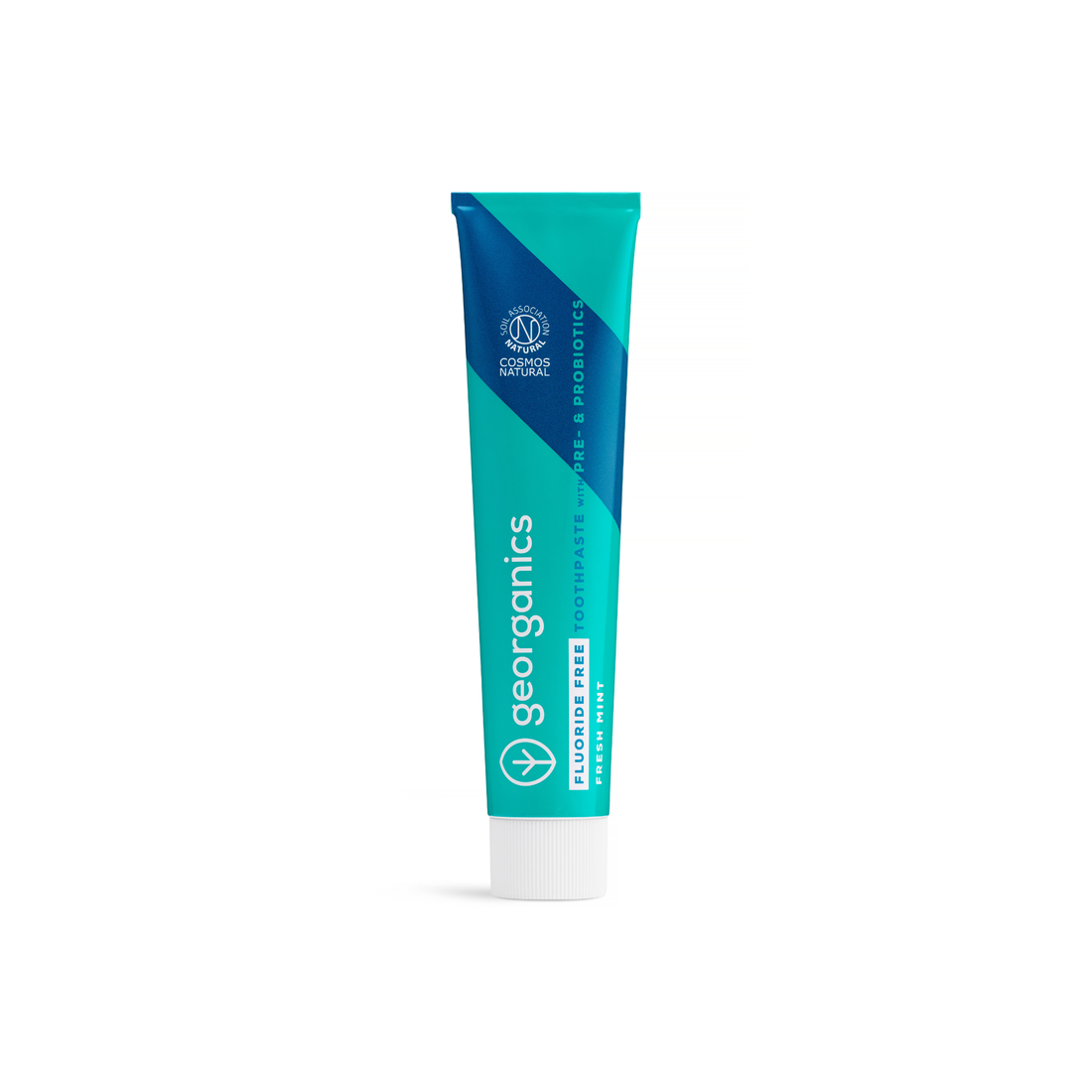
Fluoride Free Toothpaste - Peppermint
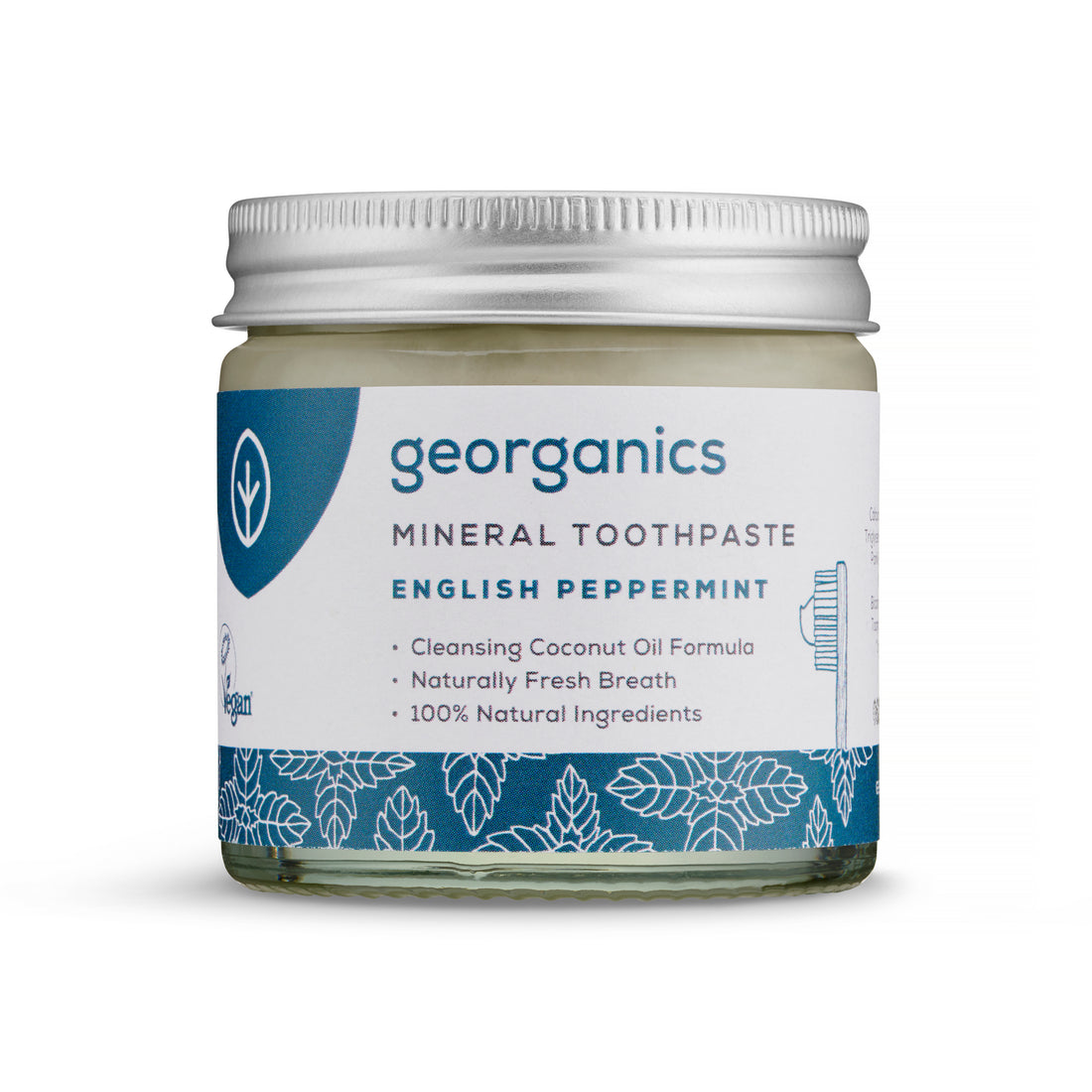
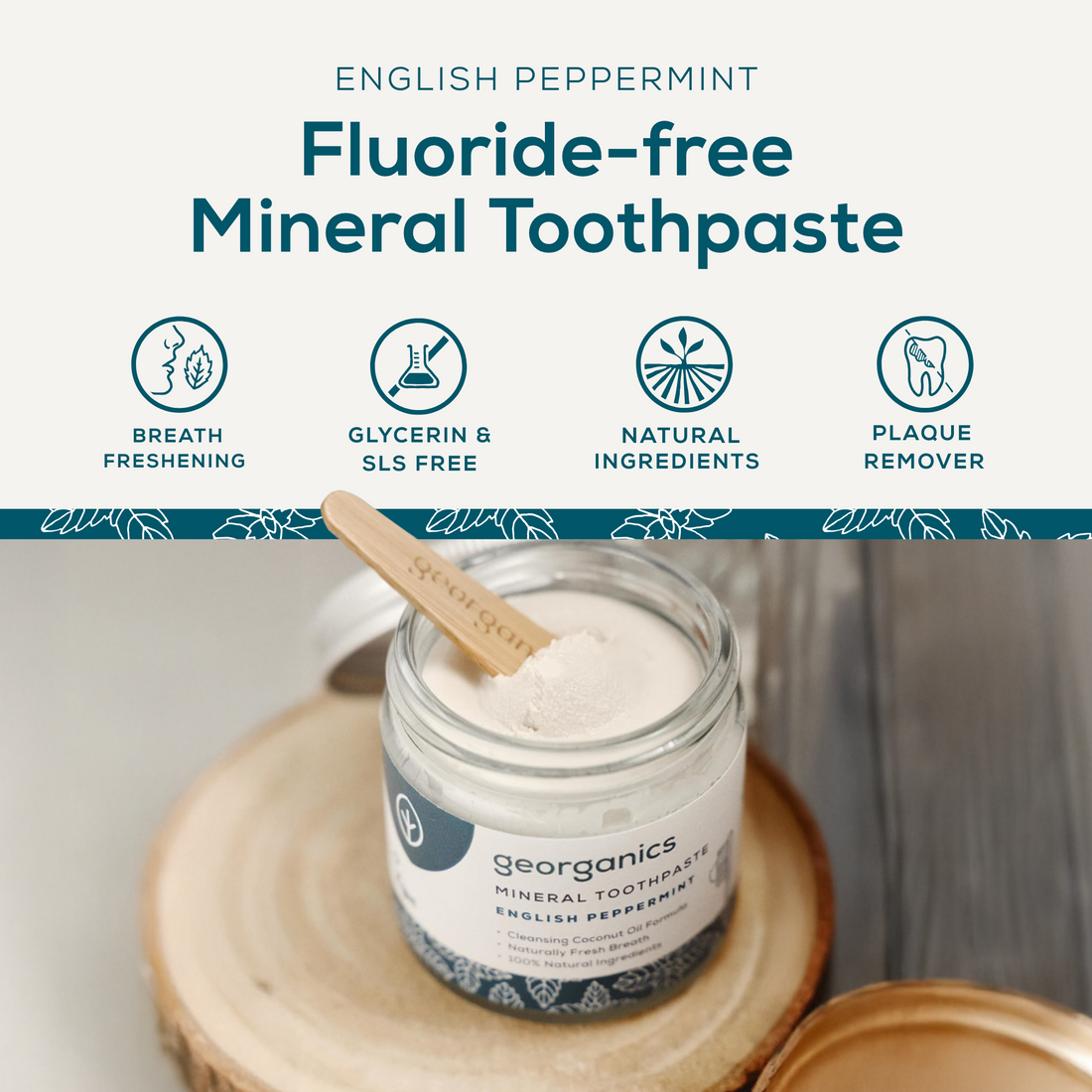 Vendor:Fluoride Free Toothpaste - PeppermintGeorganics
Quick view
-
Sonic Toothbrush Set - 50000 Strokes Per Minutes
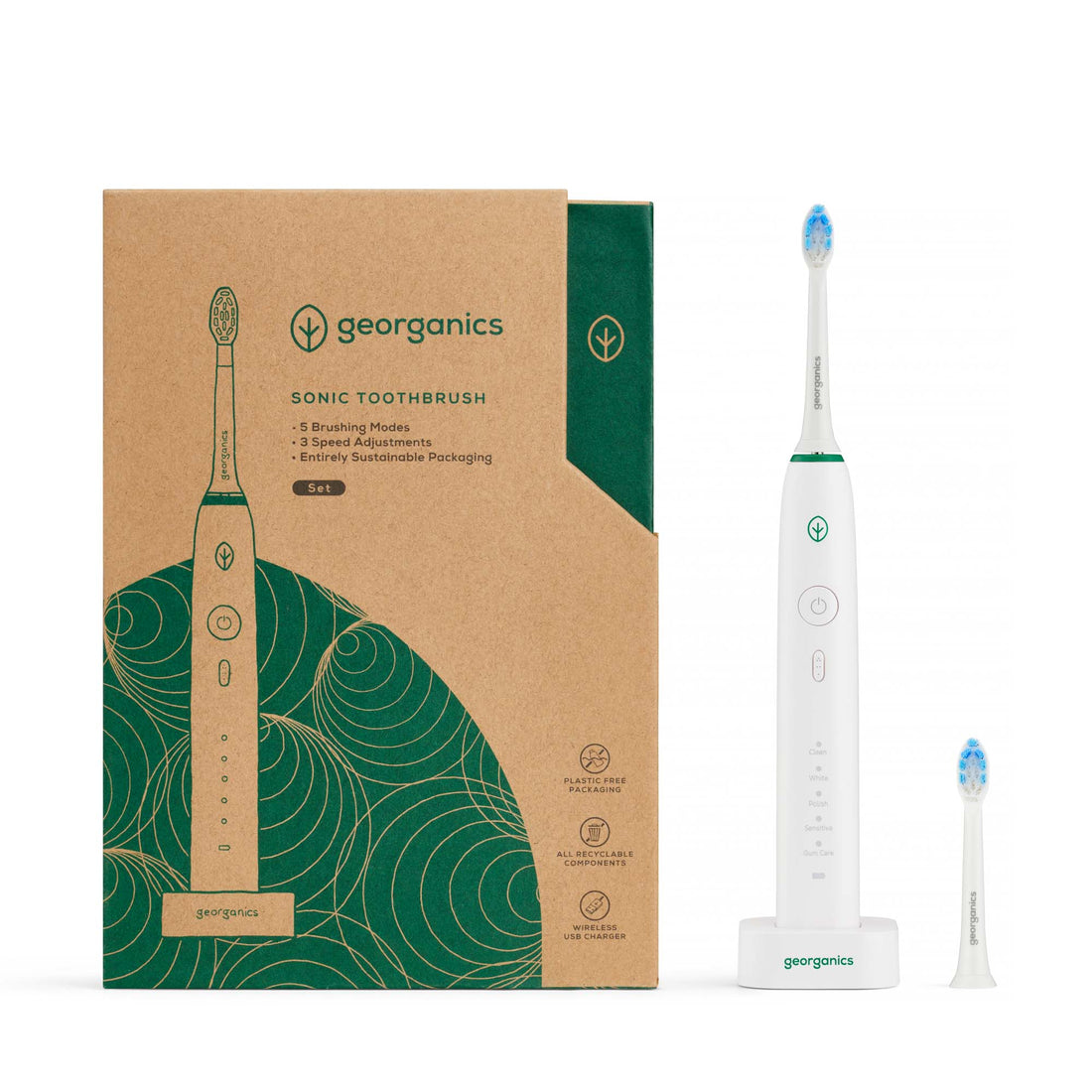
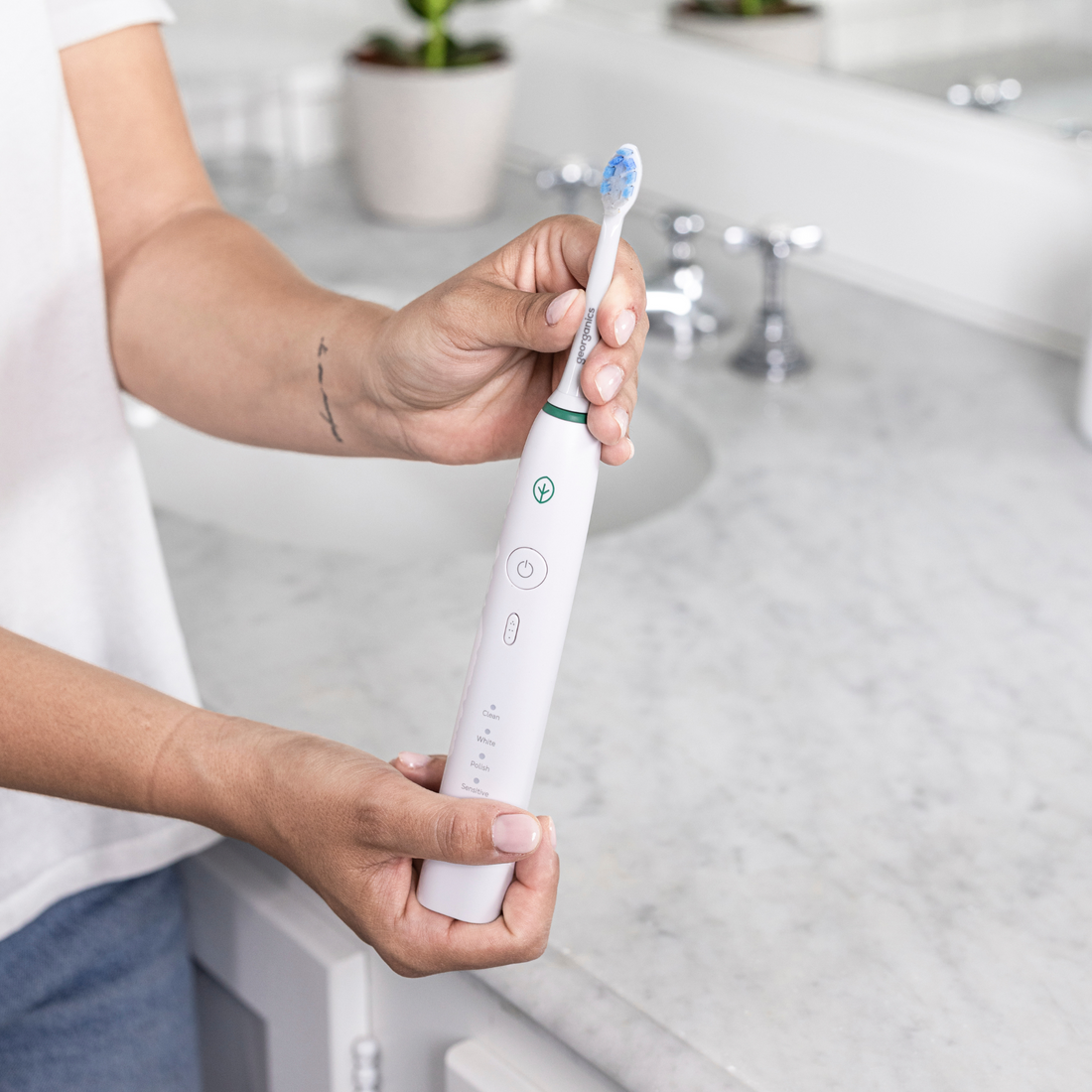 Vendor:Sonic Toothbrush Set - 50000 Strokes Per MinutesGeorganics
Quick view

FAQs
What is the difference between nano and micro hydroxyapatite in toothpaste?
Hydroxyapatite in toothpaste comes in two particle sizes: nano (typically under 100
nanometres) and micro (larger particles, usually in the micrometre range). The difference matters. Nano-hydroxyapatite particles are small enough to potentially cross biological barriers, which has raised safety questions. The European Commission’s Scientific Committee on Consumer Safety (SCCS) has flagged concerns about nano-hydroxyapatite in
certain applications. Micro-hydroxyapatite, on the other hand, is too large to penetrate tissue but still effective at bonding with the tooth surface, filling micro-lesions and supporting remineralisation. Georganics uses micro-hydroxyapatite in all its formulations, in our Hydroxyapatite Toothpaste Fresh Mint (with fluoride), Fennel (fluoride-free), and Prebiotics &
Probiotics Toothpaste. It delivers the remineralisation benefits of hydroxyapatite without the particle-size concerns associated with the nano form.
Does xylitol really prevent cavities?
Yes, and the mechanism is well understood. Streptococcus mutans, the primary bacterium responsible for tooth decay absorbs xylitol thinking it’s sugar, but cannot metabolise it. This disrupts the bacterium’s energy production, reducing both its growth rate and its ability to produce the acids that dissolve enamel. Studies have shown that regular xylitol exposure can reduce cavity rates by 30–85% depending on frequency of use. It also reduces bacterial adhesion to tooth surfaces, meaning less plaque overall. You’ll find xylitol in several products in this collection: our Fluoride Free Toothpaste Peppermint (jar), our Fluoride Toothpaste
Peppermint, and our Peppermint Chewing Gum, the gum is particularly useful after meals when acid attacks peak and brushing isn’t practical.
How important is flossing for cavity prevention?
Critical. Around 35% of the tooth surface sits between teeth where a toothbrush physically cannot reach, and these interdental areas are where cavities most commonly develop in adults. Plaque that remains in these spaces produces acids directly against the enamel, 24 hours a day. No toothpaste, however effective, can remineralise a surface it never touches. Our collection includes three floss options: Bionylon Floss Spearmint (vegan, made from bionylon), Plastic Free Floss Peppermint, and Fluoride Floss with Activated Charcoal, which delivers fluoride directly to the interdental surfaces most vulnerable to decay. For maximum cavity protection, floss before brushing: this clears debris and plaque from between teeth and allows your toothpaste’s active ingredients to reach those surfaces during brushing.
How do cavities form and can they be reversed?
Cavities form through a process called demineralisation. Every time you eat or drink
(especially sugars and starches), bacteria in your mouth produce acids that draw calcium
and phosphate out of the enamel surface. Normally, saliva helps redeposit these minerals (remineralisation), but when acid attacks happen too frequently or remineralisation support is insufficient, the enamel develops white spot lesions, the earliest visible stage of a cavity. At this stage, the process can absolutely be reversed with consistent remineralising care: micro-hydroxyapatite deposits the exact minerals the enamel has lost, while fluoride creates a more acid-resistant surface layer. Once a cavity has broken through the enamel into the
dentine, however, it requires dental treatment. This is why daily prevention matters: every brush with a remineralising toothpaste tips the balance back towards repair.
What is the best daily routine to prevent tooth decay?
The most effective routine combines remineralisation, bacterial control, and thorough plaque removal. Brush twice daily for two minutes with a remineralising toothpaste, our Hydroxyapatite Toothpaste Fresh Mint combines micro-hydroxyapatite with fluoride for maximum enamel protection, or choose our Fennel version for fluoride-free remineralisation. Use our Sonic Toothbrush (50,000 strokes per minute, built-in timer) for thorough, consistent
plaque disruption. Floss daily before brushing, our Fluoride Floss with Activated Charcoal delivers fluoride directly between teeth. Between meals, chew our Xylitol Chewing Gum to reduce acid levels and stimulate protective saliva flow. Limit sugary snacks and drinks between meals, as each sugar exposure triggers a fresh acid attack on enamel. And see your dentist regularly, they can spot early demineralisation before it becomes a cavity.
Can chewing gum help prevent cavities?
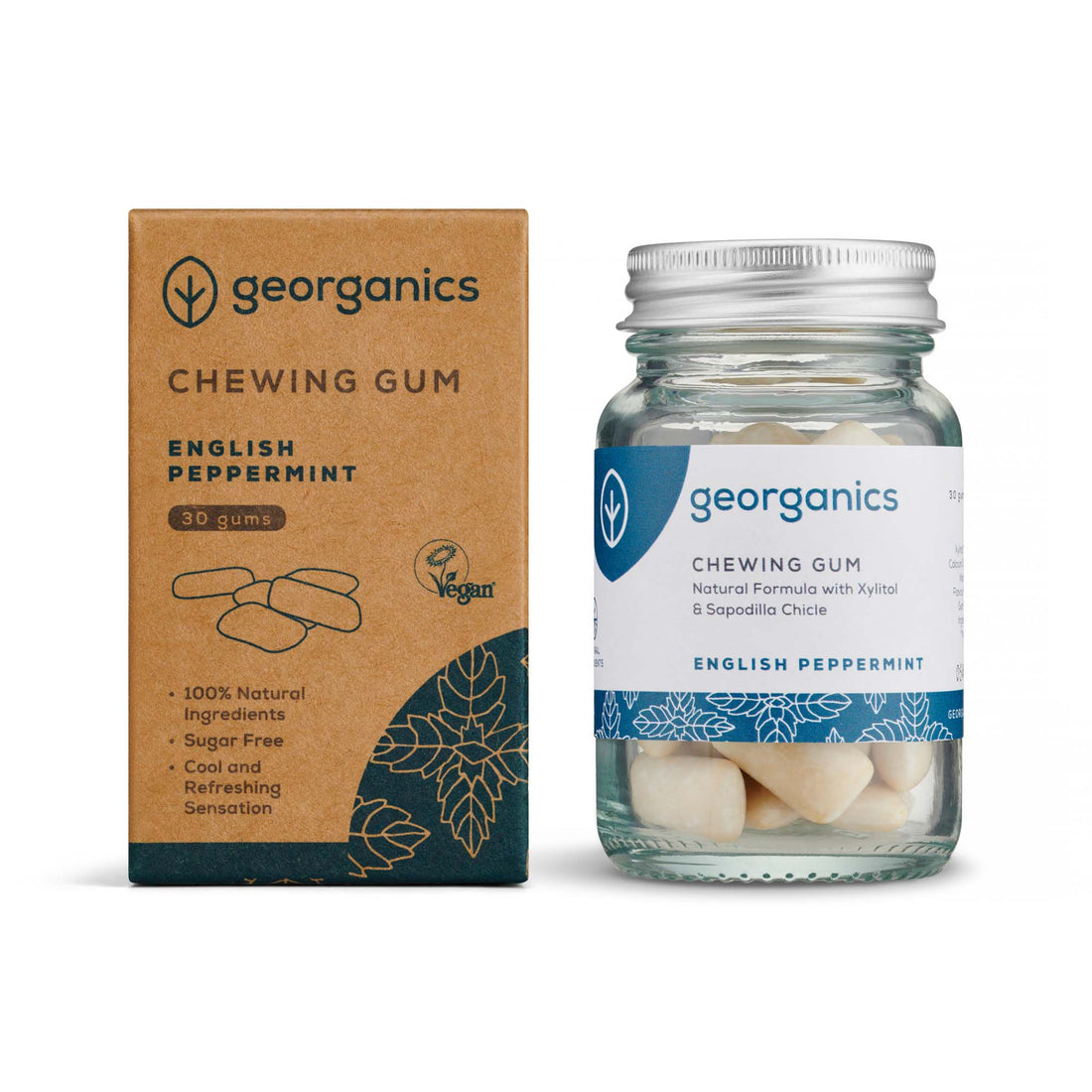
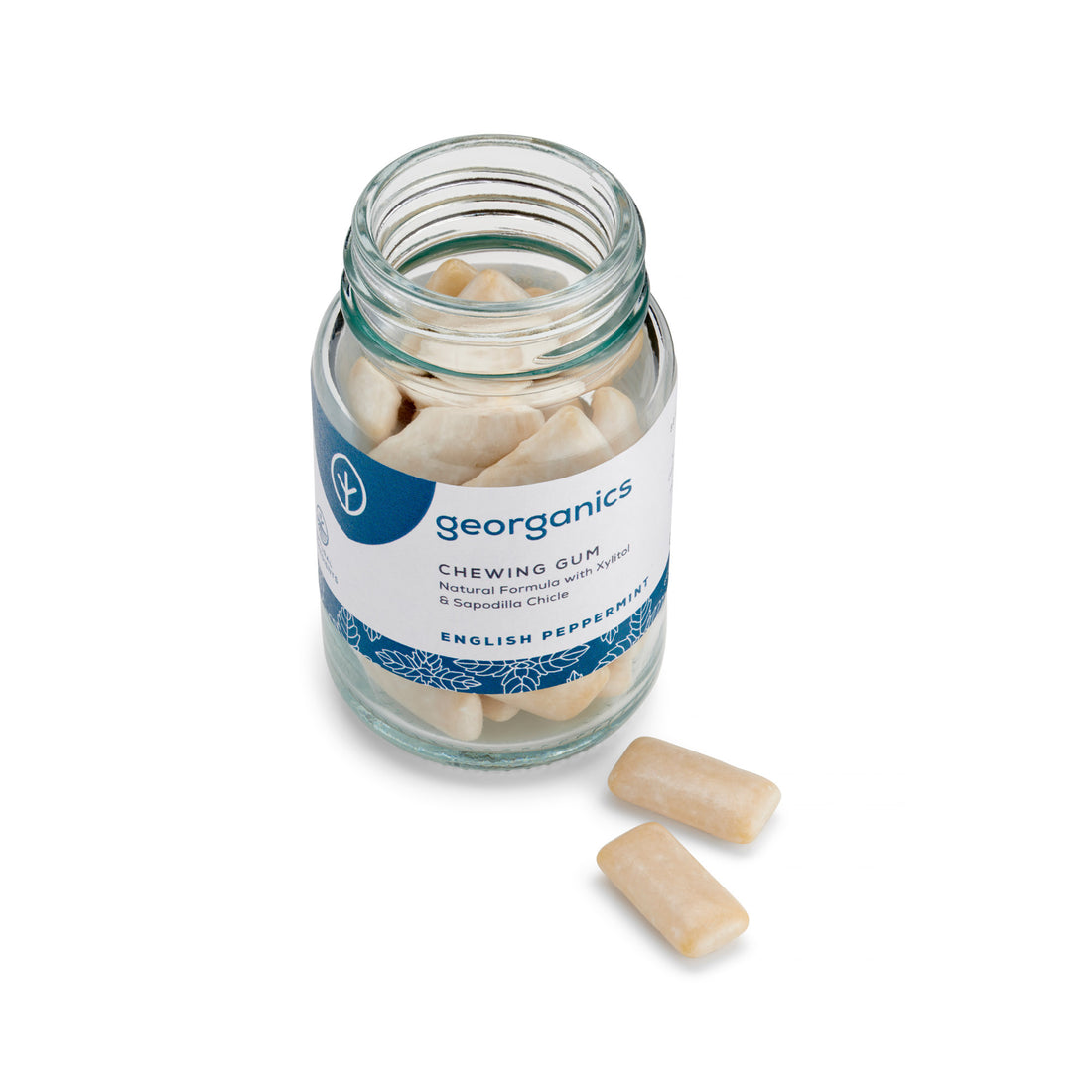
Yes, when it contains xylitol. Chewing xylitol gum after meals provides two distinct benefits. First, the mechanical act of chewing stimulates saliva production, saliva is your mouth’s primary defence against cavities because it washes away food particles, neutralises acids, and delivers calcium and phosphate back to the enamel. Second, xylitol itself actively starves the S. mutans bacteria that cause decay, reducing their ability to produce enameldissolving acid. Our Peppermint Chewing Gum is xylitol-based and sugar-free. It’s particularly useful in the 20 to 30 minutes after eating, when acid levels in the mouth are highest and the risk of demineralisation is greatest. It doesn’t replace brushing, but it’s one of
the most effective between-meal habits you can adopt for cavity prevention.
Does Georganics use artificial sweeteners or synthetic ingredients in its cavityprotection range?
No. Where many conventional toothpastes use saccharin or other artificial sweeteners
purely for taste, Georganics uses xylitol and erythritol, both of which are functional
ingredients that actively fight cavities, not just flavouring agents. Xylitol starves decaycausing bacteria; erythritol inhibits biofilm formation. Our formulations also exclude SLS, parabens, synthetic preservatives, artificial colours and microplastics. Every ingredient earns
its place through a specific function: micro-hydroxyapatite remineralises, fluoride (where included) strengthens enamel against acid, coconut-derived cleaning agents replace SLS, and essential oils provide flavour. The distinction isn’t about avoiding ‘chemicals’, it’s about ensuring every ingredient has a genuine, functional role. Nothing in our formulations is filler.