

Babies - 6 months+
From 6 months onwards, the very first teeth need care that feels safe, simple, and gentle. Thoughtfully formulated for babies, our natural oral care is made without harsh chemicals, offering a reassuring start to healthy brushing habits from the very beginning.
FAQs
When should I start brushing my baby’s teeth?
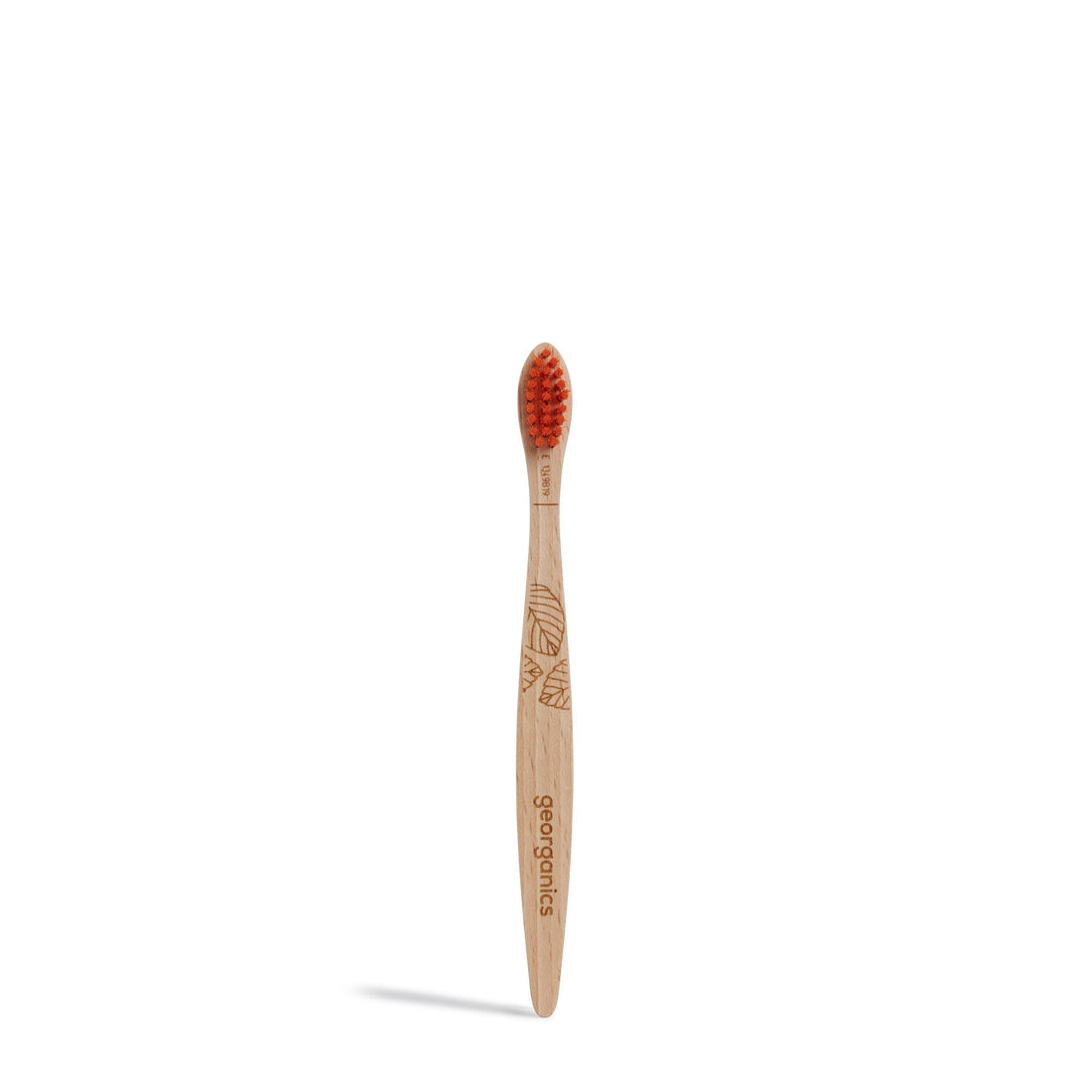
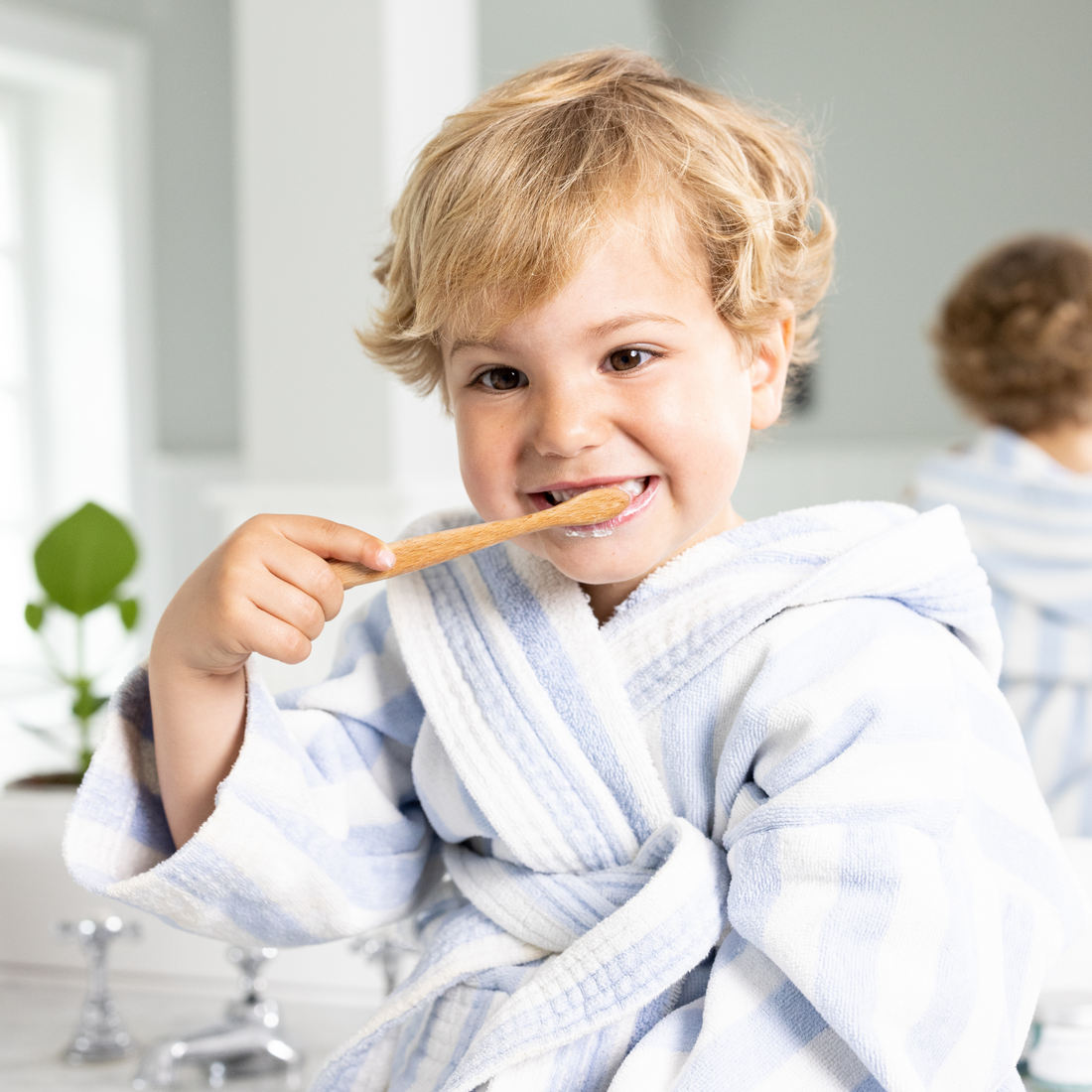
As soon as the first tooth appears, which is usually around 6 months of age. Use a soft baby toothbrush, like our Beechwood Kids Toothbrush, sized specifically for small mouths, with a tiny smear of age-appropriate toothpaste (about the size of a grain of rice). Brush gently twice a day, in the morning and before bed. Even though these are primary teeth that will eventually be replaced, caring for them is essential: baby teeth hold space for adult teeth, guide jaw development, and early decay can damage the permanent teeth developing
beneath the gums. Starting early also builds the habit, children who begin brushing from 6 months typically adapt to the routine far more easily than those who start later.
Is hydroxyapatite safe for babies to swallow?
Yes. Hydroxyapatite is a mineral that already makes up over 90% of tooth enamel and
approximately 70% of dentine, it’s one of the most biocompatible substances you can
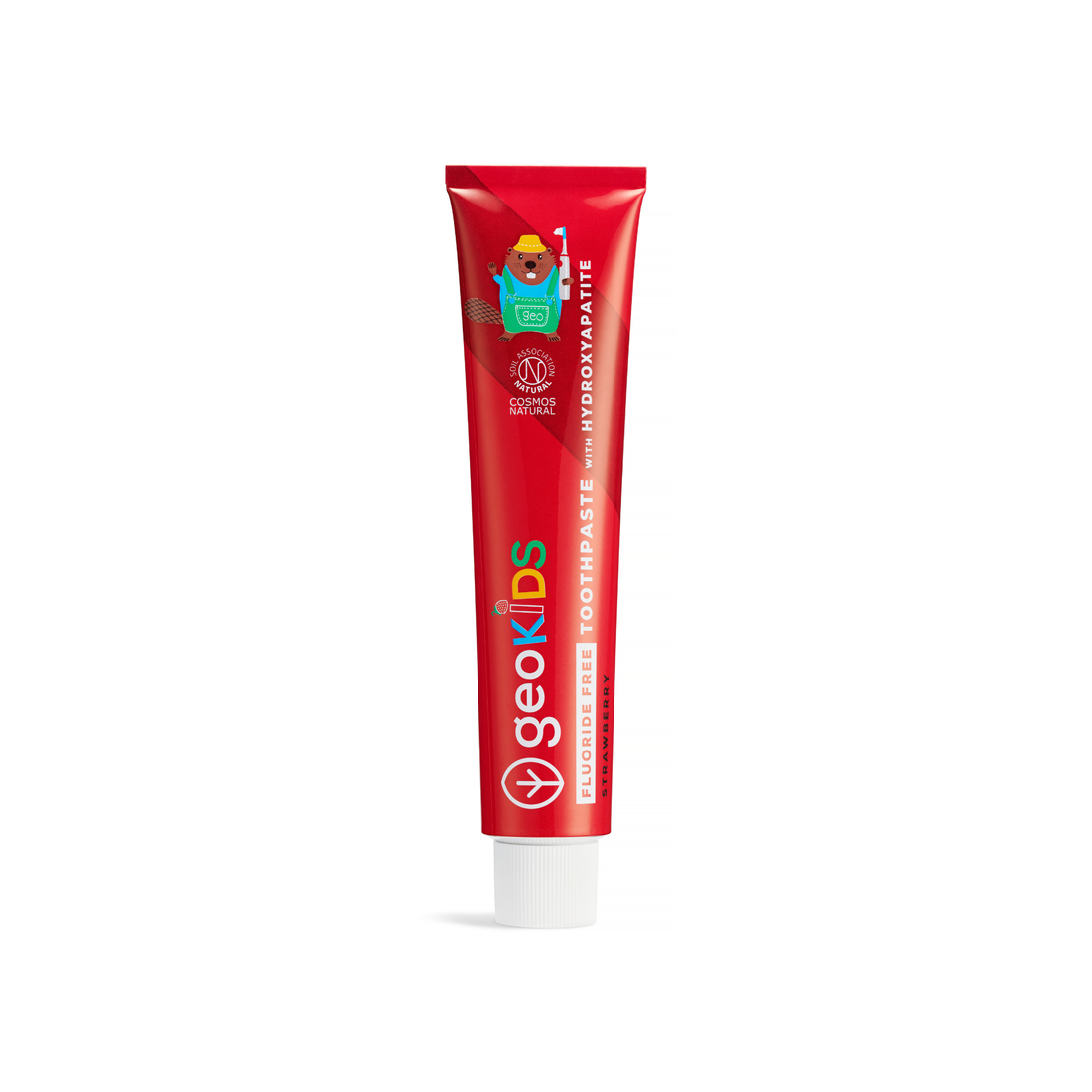
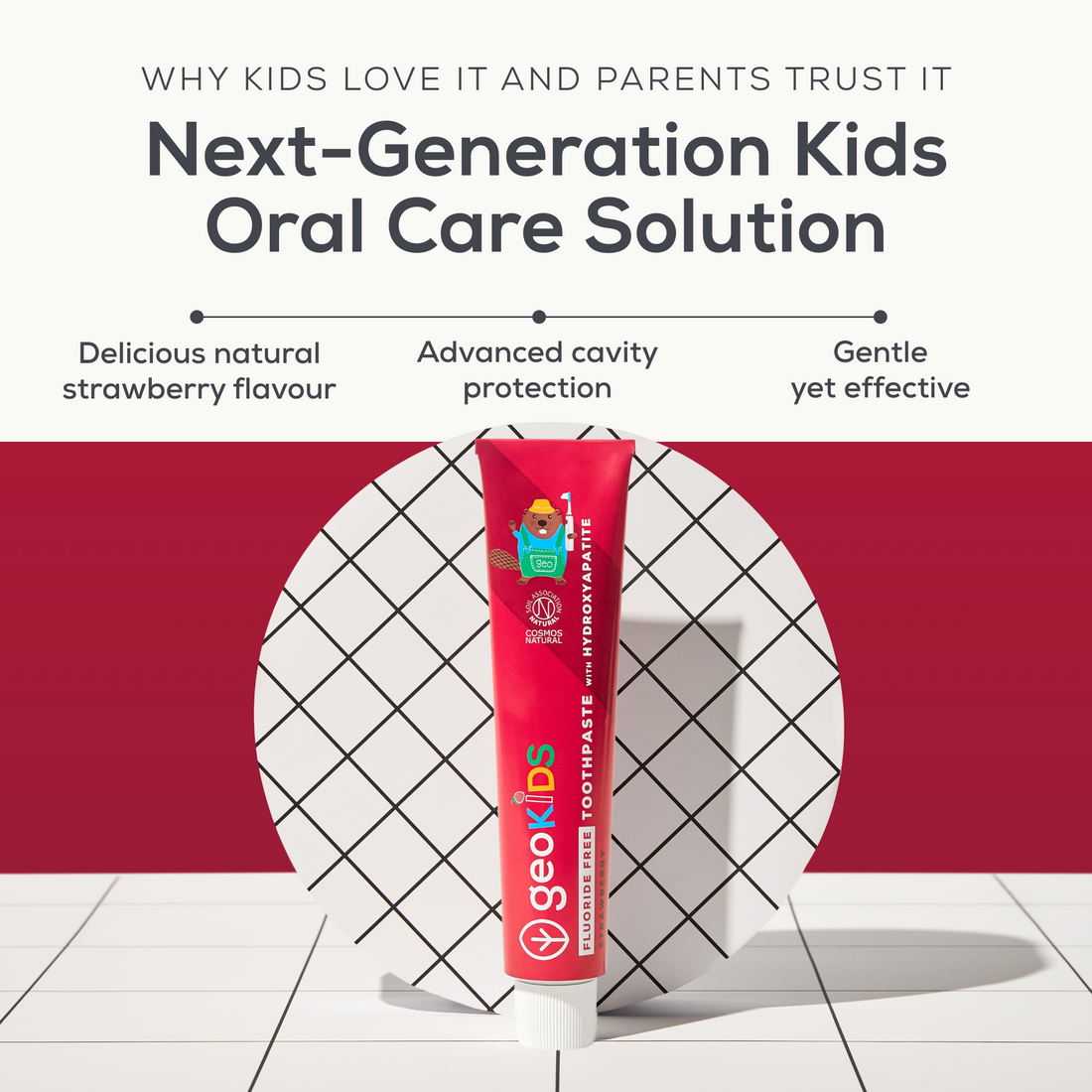
apply to teeth. When ingested in the small amounts present in toothpaste, it’s broken down into calcium and phosphate, both of which are essential minerals the body uses naturally. Our Kids Hydroxyapatite Toothpaste Strawberry (tube) uses micro-hydroxyapatite specifically, the micro particle size is well-established as safe for oral use. Babies and toddlers inevitably swallow most of the toothpaste used during brushing because they can’t spit reliably, which is exactly why ingredient choice matters so much at this age. Microhydroxyapatite provides meaningful remineralisation for emerging first teeth with zero concern about ingestion.
Fluoride vs fluoride-free toothpaste for babies: how do I choose?
Both approaches aim to protect developing enamel, but through different mechanisms.
Fluoride converts hydroxyapatite in the enamel into fluorapatite, which is more resistant to acid attacks. It’s effective and recommended by the NHS for children. However, because babies swallow most of their toothpaste, some parents and dentists prefer to avoid fluoride ingestion at this early stage. Our 6 months+ range is fluoride-free, using microhydroxyapatite as the remineralising agent, the same mineral that enamel is naturally made of, completely safe if swallowed. The tube format combines micro-hydroxyapatite with
erythritol for antibacterial action; the jar uses a mineral-based formula with xylitol. When your child reaches 3 and can spit more reliably, our Kids 3 Years+ collection adds fluoride options so you can choose the approach that best suits your family.
How much toothpaste should I use for a baby?
For children under 3 years old, use a tiny smear of toothpaste, about the size of a grain of rice. This is enough to deliver active ingredients (micro-hydroxyapatite, erythritol or xylitol) to the tooth surfaces while keeping the amount swallowed to a minimum. There’s no need to use more: the remineralising benefit comes from the toothpaste making contact with the teeth during brushing, not from the volume used. As your child grows and learns to spit (usually around age 3), you can increase to a pea-sized amount. Both our tube (Kids
Hydroxyapatite Toothpaste Strawberry) and jar (Fluoride Free Toothpaste for Kids
Strawberry) formats work well with small amounts, a little goes a long way.
Tube or jar: which baby toothpaste format is better?
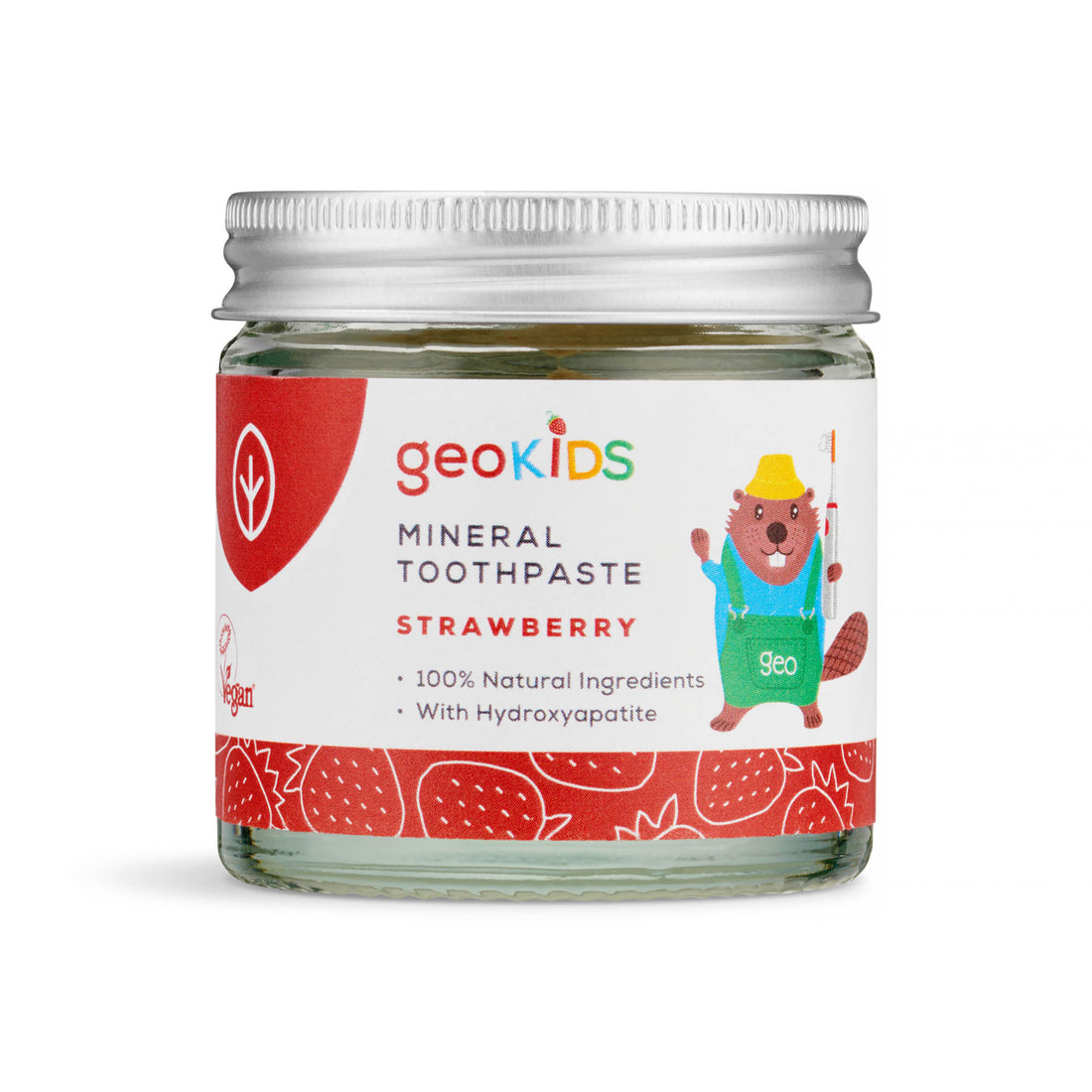
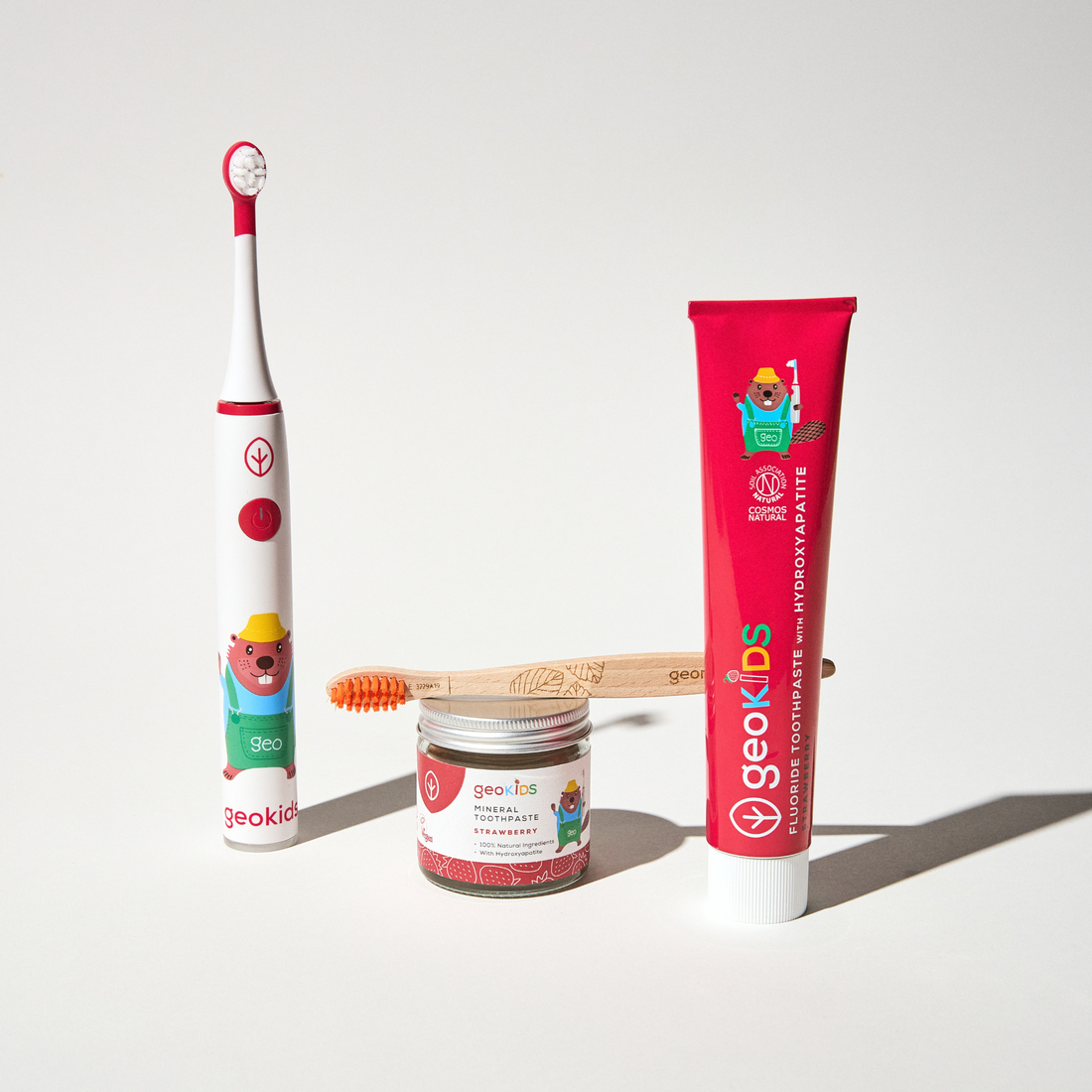
Both formats are equally effective, the choice comes down to practical preference and formulation differences. Our Kids Hydroxyapatite Toothpaste Strawberry (tube) uses microhydroxyapatite combined with erythritol for remineralisation and antibacterial action. It has a smooth gel texture that’s easy to apply to a small brush. Our Fluoride Free Toothpaste for Kids Strawberry (jar) uses our mineral-based formula with calcium carbonate, sodium
bicarbonate and xylitol, with a slightly thicker paste texture. The tube is more portable and convenient for travel or nursery bags. The jar uses a glass container with an aluminium lid. Both are strawberry-flavoured, SLS-free, and free from artificial colours or sweeteners. Some parents keep both: a tube for on-the-go and a jar at home.
How to choose a first toothbrush for my baby?
For babies and toddlers, look for three things: a small brush head that fits comfortably in a small mouth, soft bristles that won’t irritate tender gums, and a handle that’s easy for a parent to grip (at this age, you’ll be doing the brushing). Our Beechwood Kids Toothbrush is designed with all three in mind: a child-sized head, BPA-free soft nylon bristles, and a beechwood handle from FSC-certified forests. Avoid brushes with hard or medium bristles for babies, their gums are delicate and emerging teeth have thinner enamel than adult teeth. Replace the brush every 3 months, or sooner if the bristles start to fray. You can also let your baby hold and chew on a second brush while you do the actual cleaning, this helps them get used to the sensation and builds familiarity with the routine.
What ingredients should I avoid in baby toothpaste?
At this age, ingredient caution matters more than at any other stage because babies swallow almost everything that goes in their mouth. Avoid SLS (sodium lauryl sulfate), it’s an unnecessary foaming agent that can irritate a baby’s delicate mouth tissues and cause excessive foaming that makes brushing distressing. Avoid artificial sweeteners like saccharin and aspartame, there’s no reason for a baby to ingest these. Avoid artificial colours and synthetic preservatives like parabens, unnecessary additives with no functional benefit for
oral health. Both our tube (Kids Hydroxyapatite Toothpaste Strawberry) and jar (Fluoride Free Toothpaste for Kids Strawberry) are formulated without all of these. Every ingredient has a clear, functional purpose: micro-hydroxyapatite or calcium carbonate for remineralisation, erythritol or xylitol for antibacterial protection, and strawberry flavouring
from natural sources.