

Gum Care
Gum health is one of the most overlooked areas of oral care. Redness, sensitivity and occasional bleeding are often early signs that your gums need more attention, not less.
Whether you're dealing with early signs of gingivitis, gum sensitivity or looking for a preventive dayli routine, choosing the right products matters.
-
Oil Pulling Mouthwash - English Peppermint
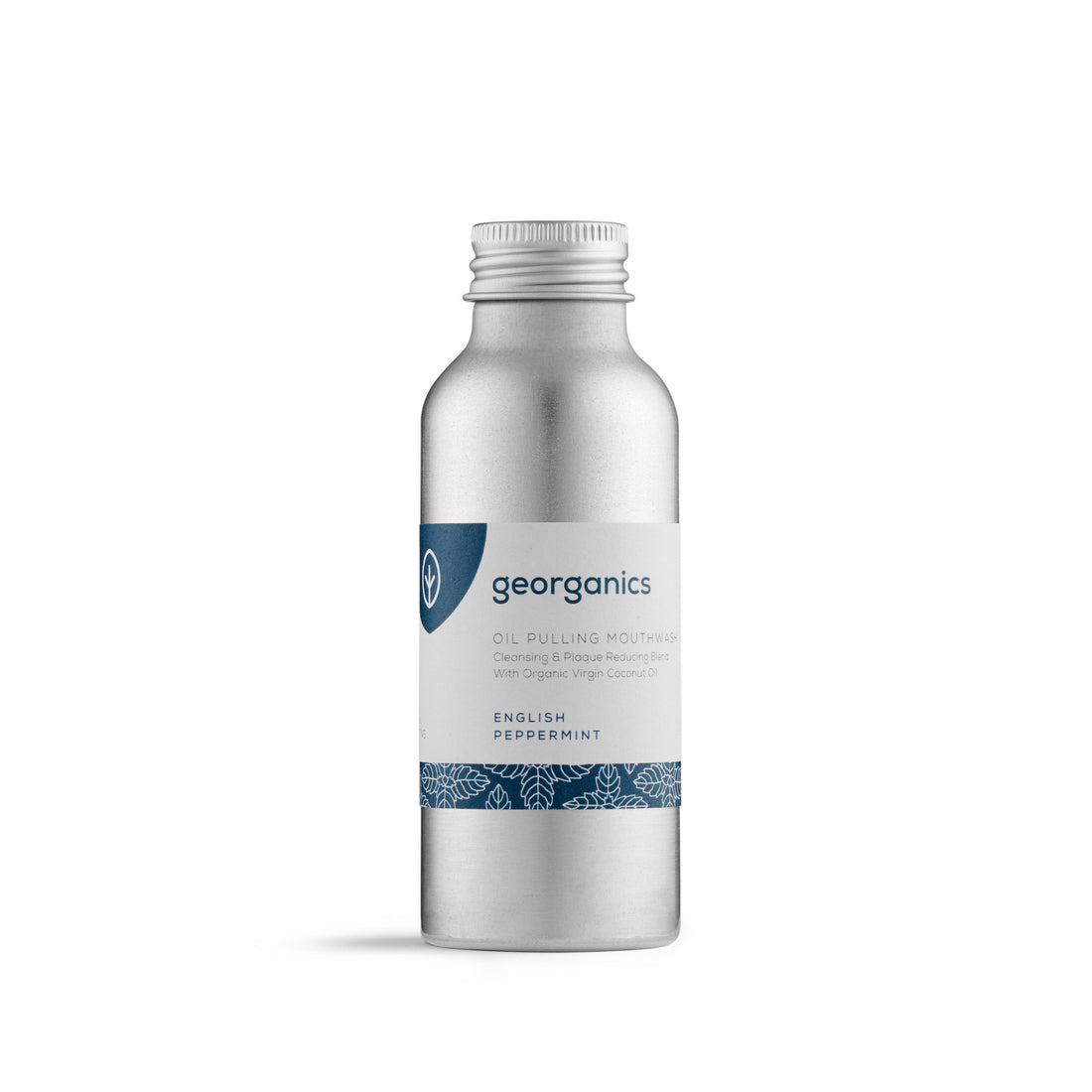
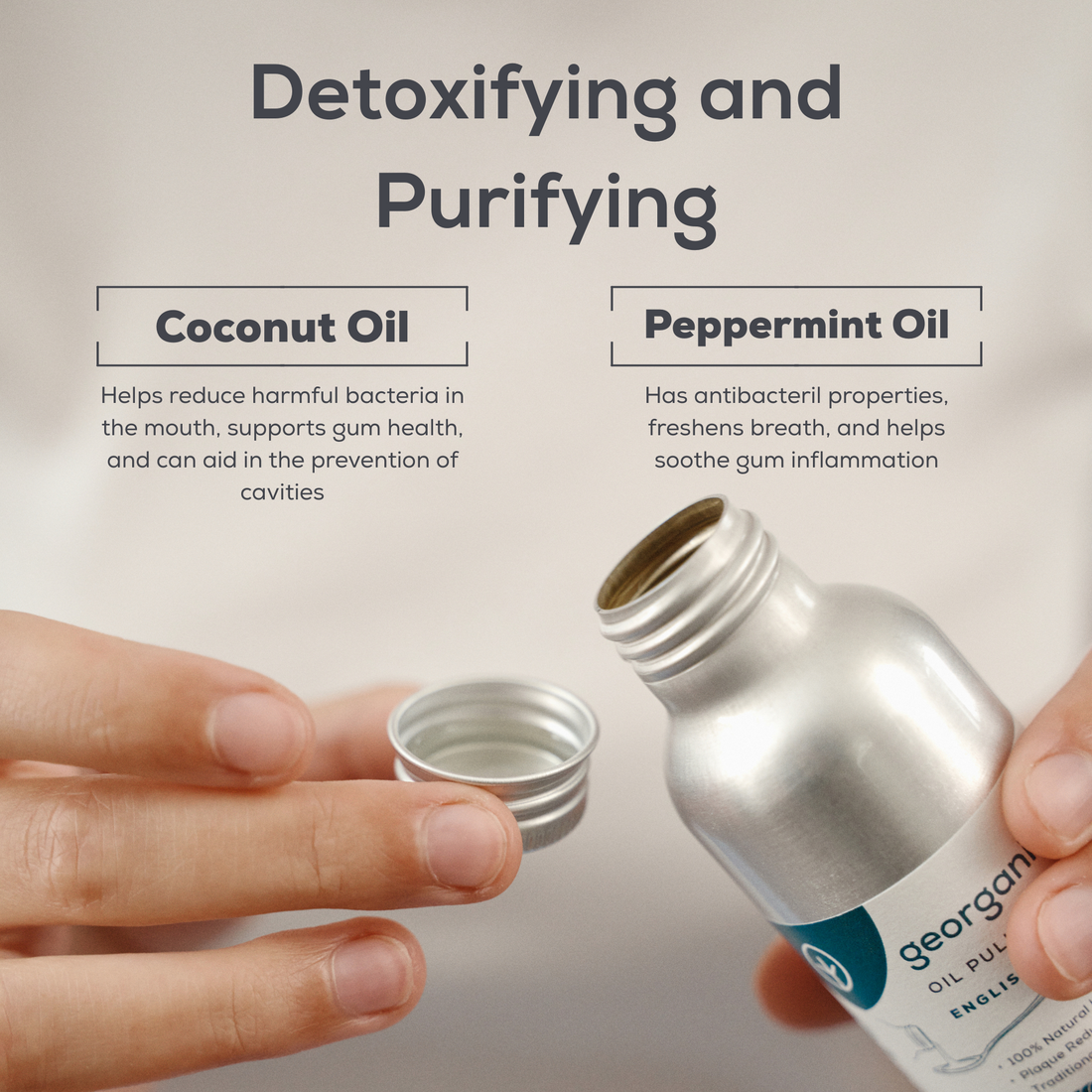 Vendor:Oil Pulling Mouthwash - English PeppermintGeorganics
Quick view
-
Plastic Free Floss - English Peppermint

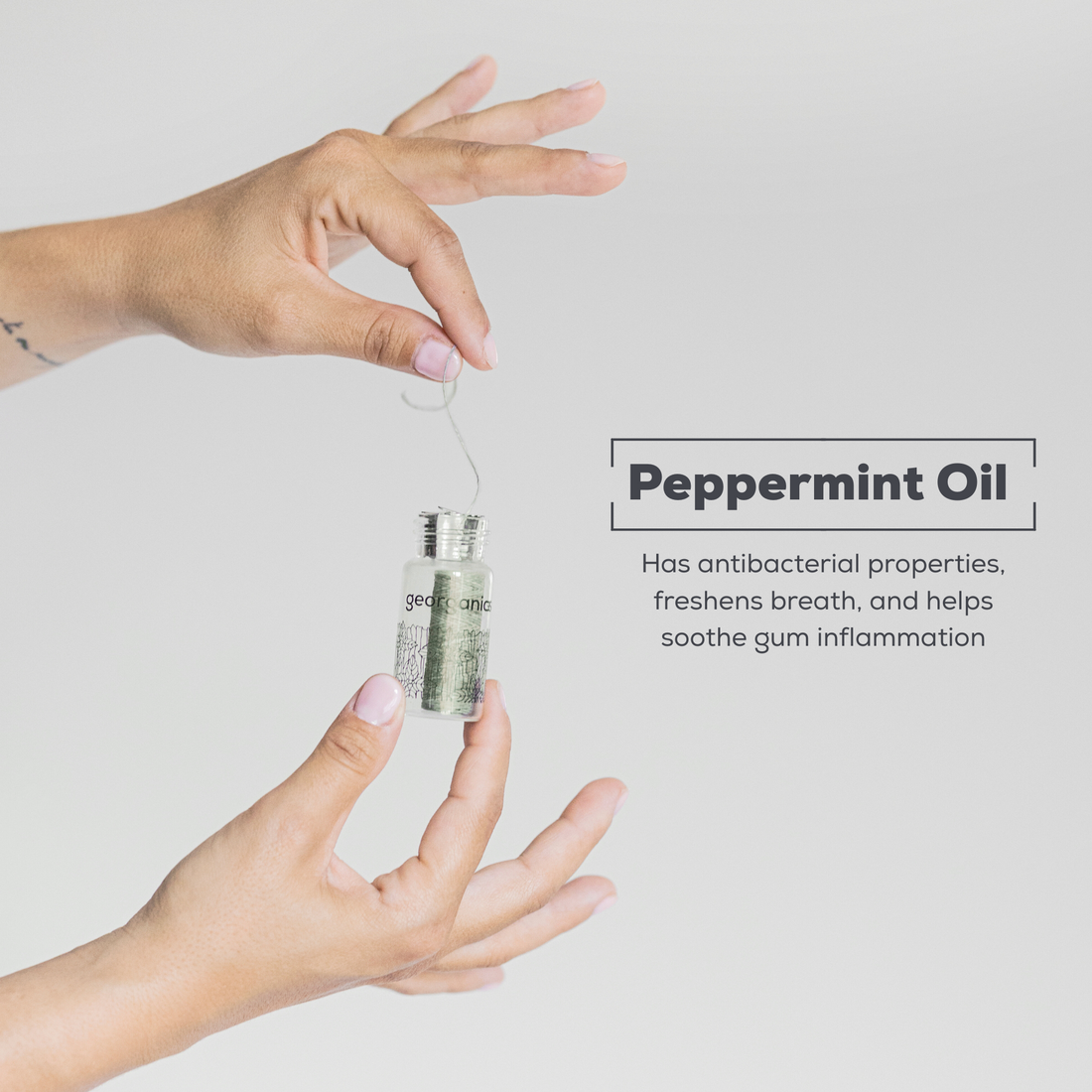 Vendor:Plastic Free Floss - English PeppermintGeorganics
Quick view
-
Beechwood Interdental Brushes - 6 units - ISO 3 (0.6mm)
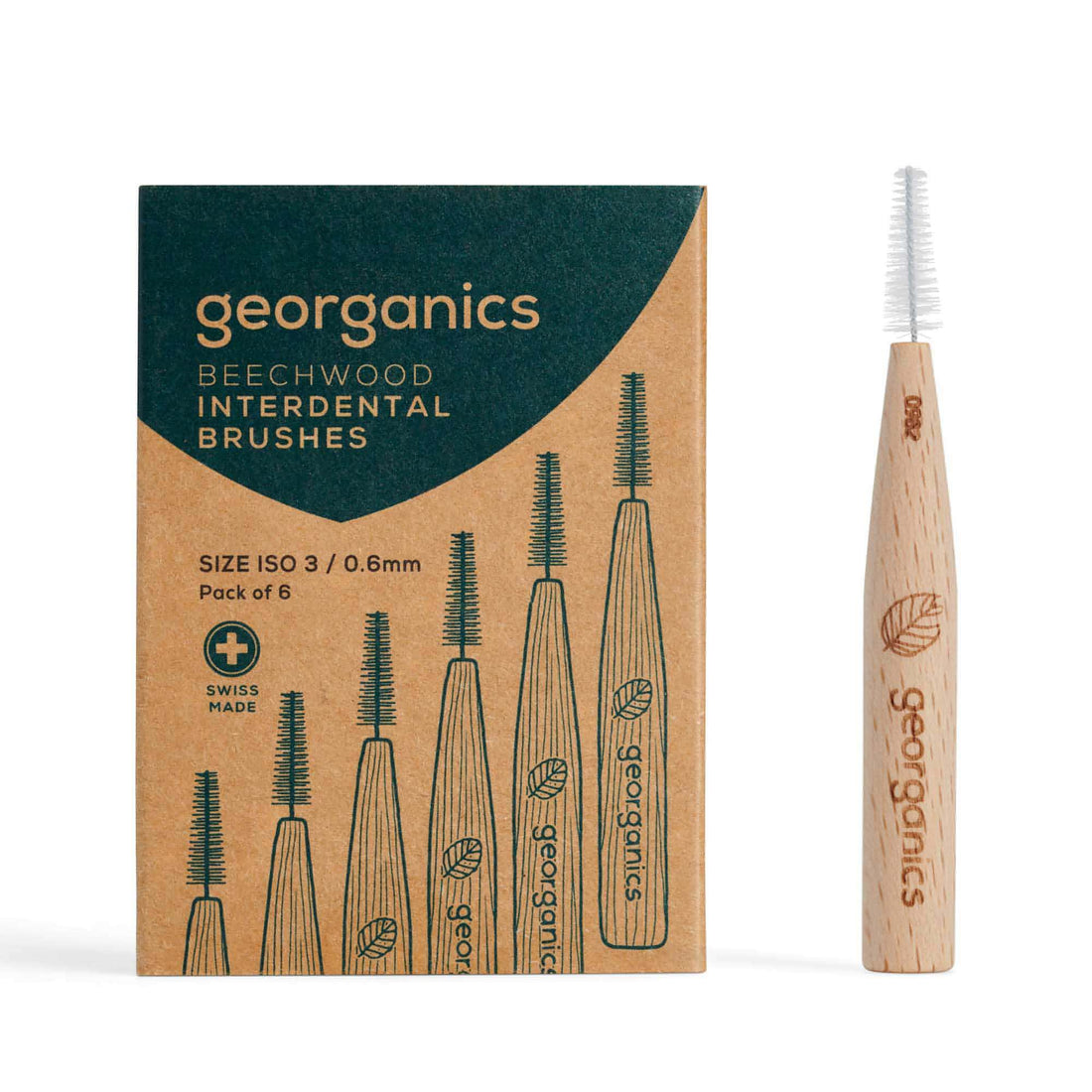
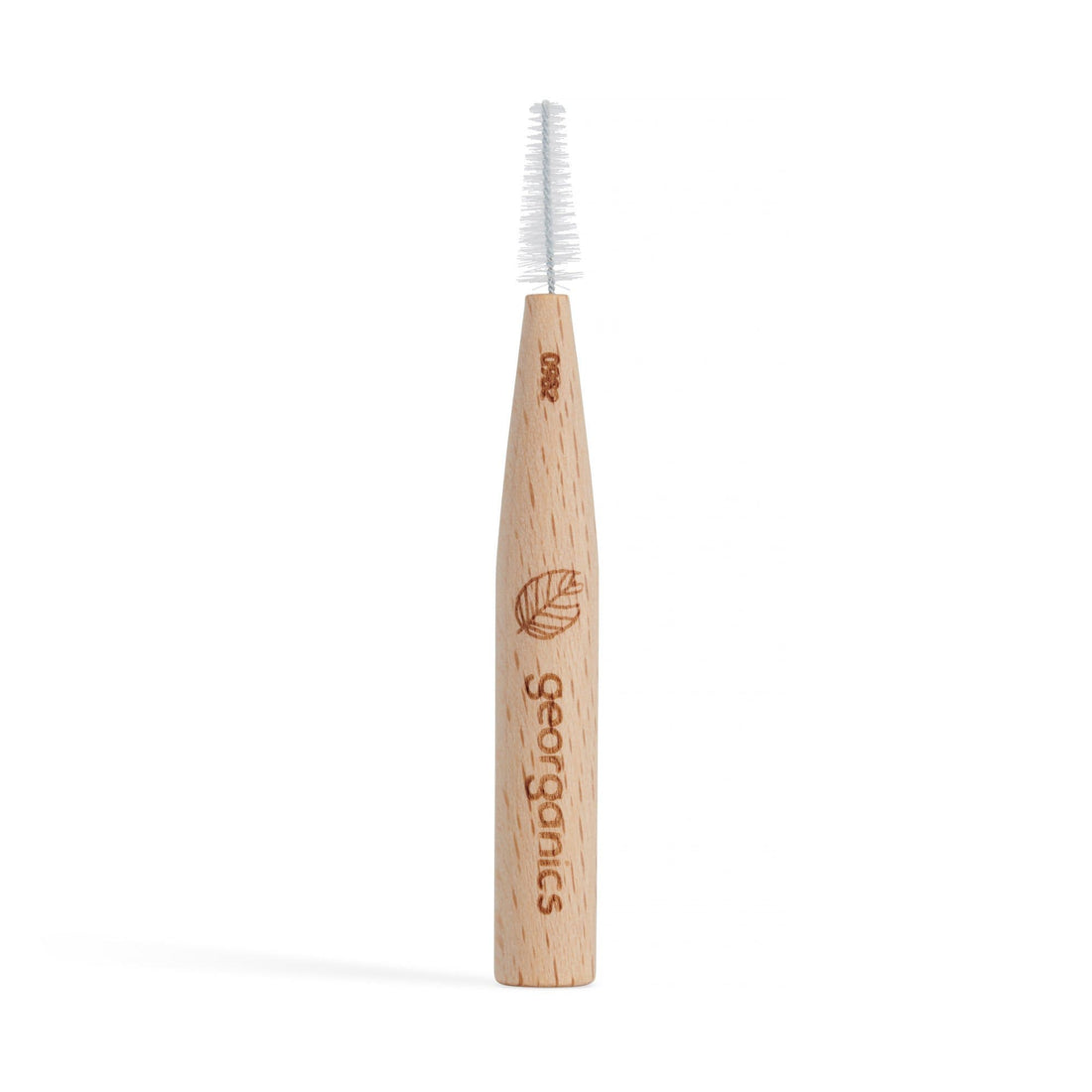 Vendor:Beechwood Interdental Brushes - 6 units - ISO 3 (0.6mm)Georganics
Quick view
-
Beechwood Interdental Brushes - 6 units - ISO 2 (0.5mm)
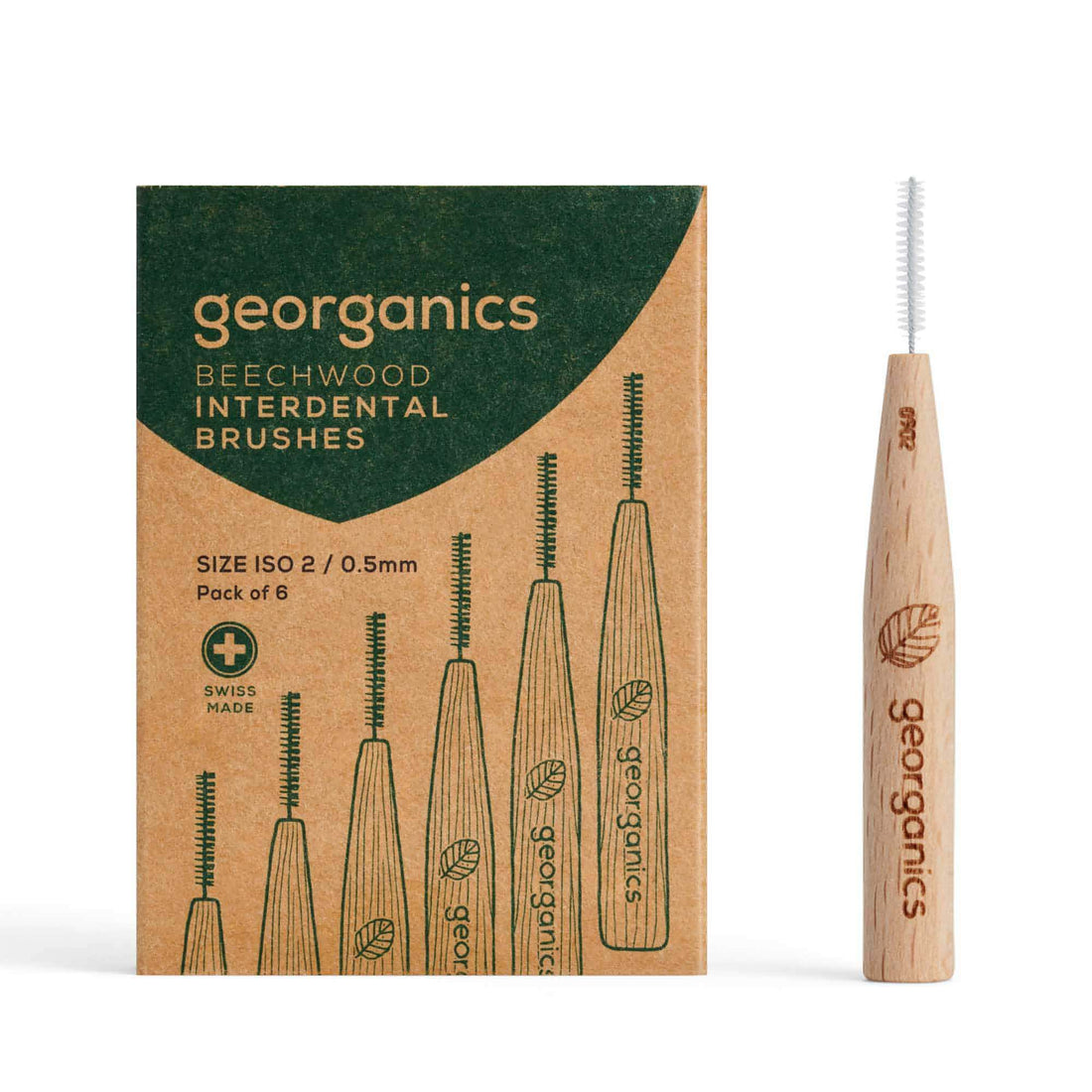
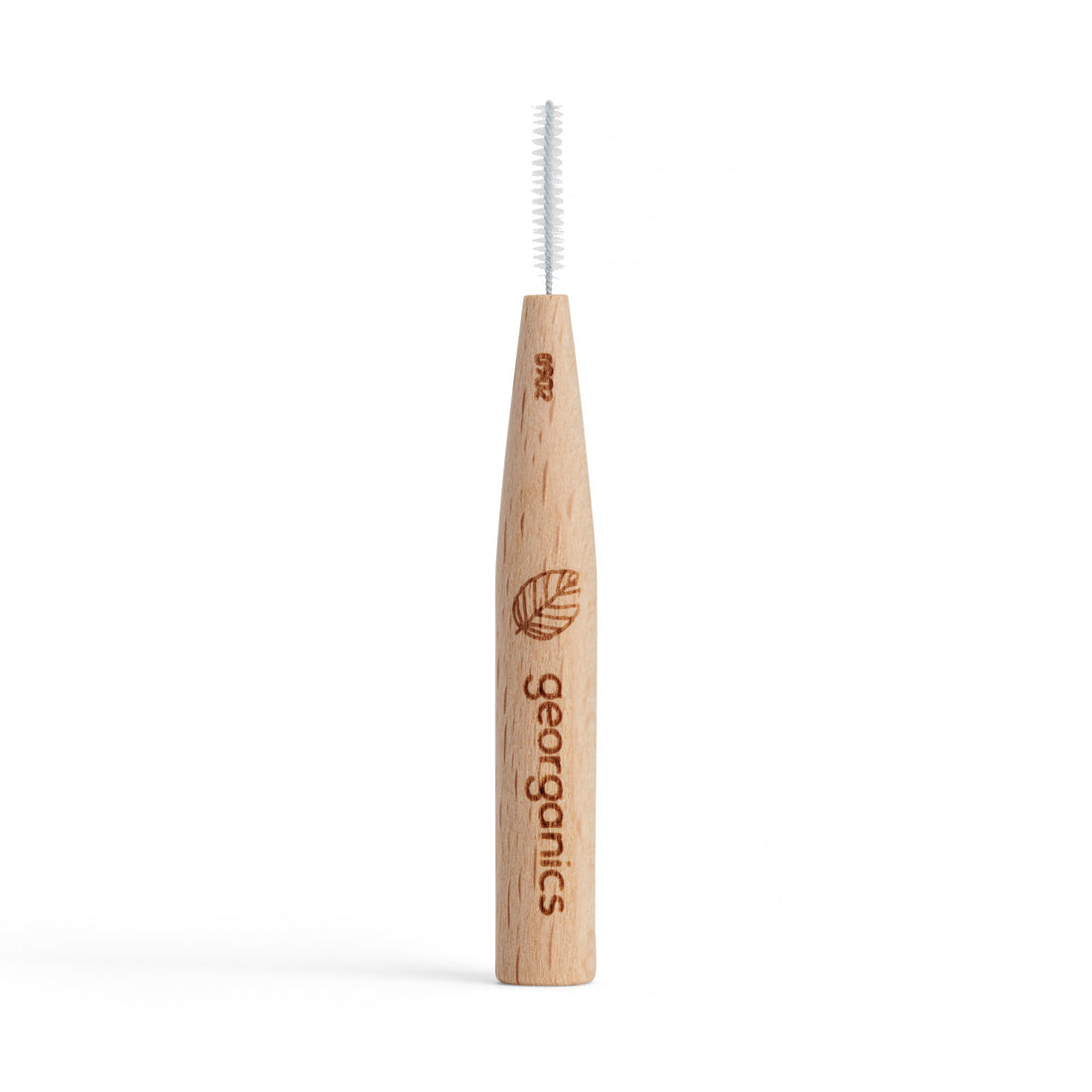 Vendor:Beechwood Interdental Brushes - 6 units - ISO 2 (0.5mm)Georganics
Quick view
-
Beechwood Interdental Brushes - 6 units - ISO 0 (0.4mm)
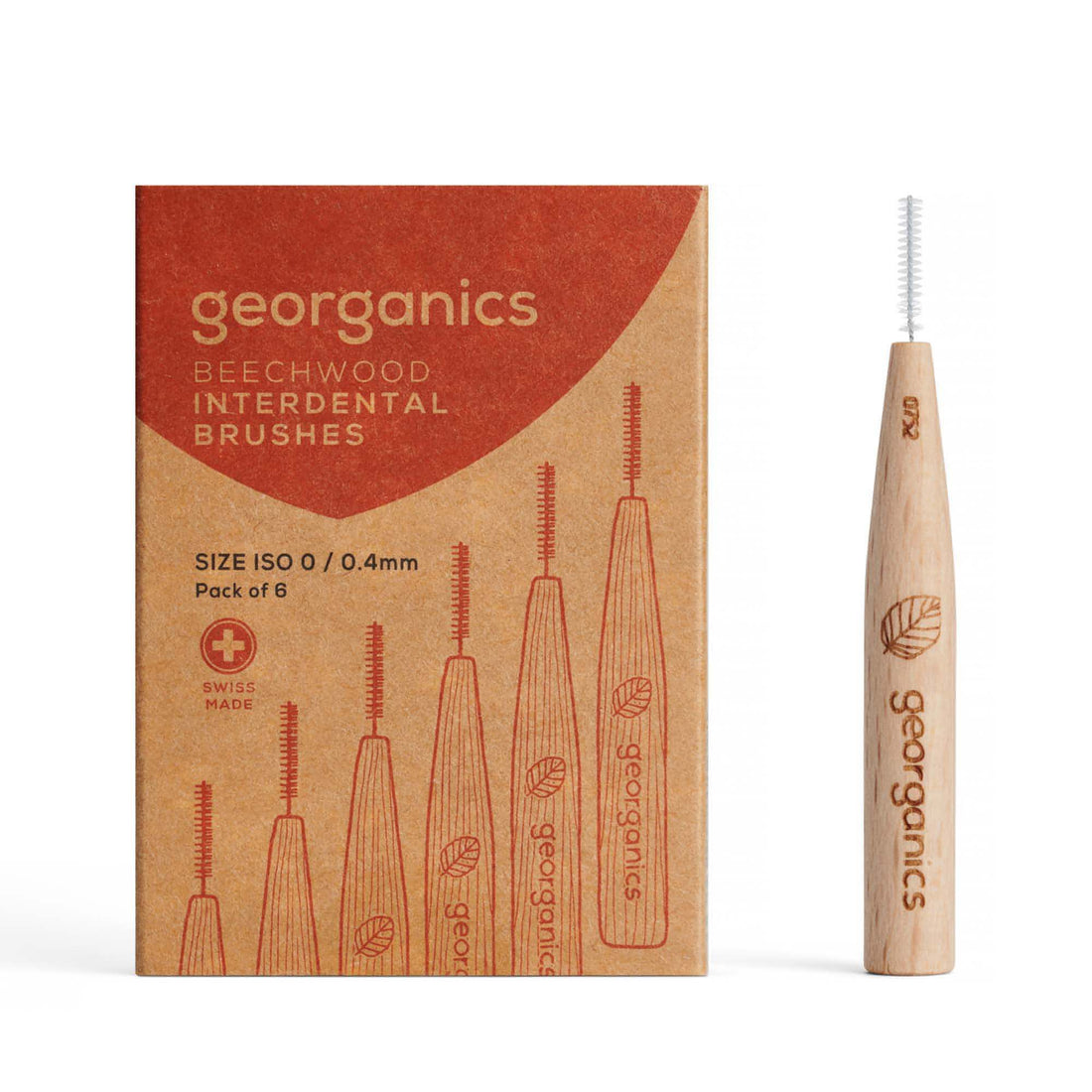
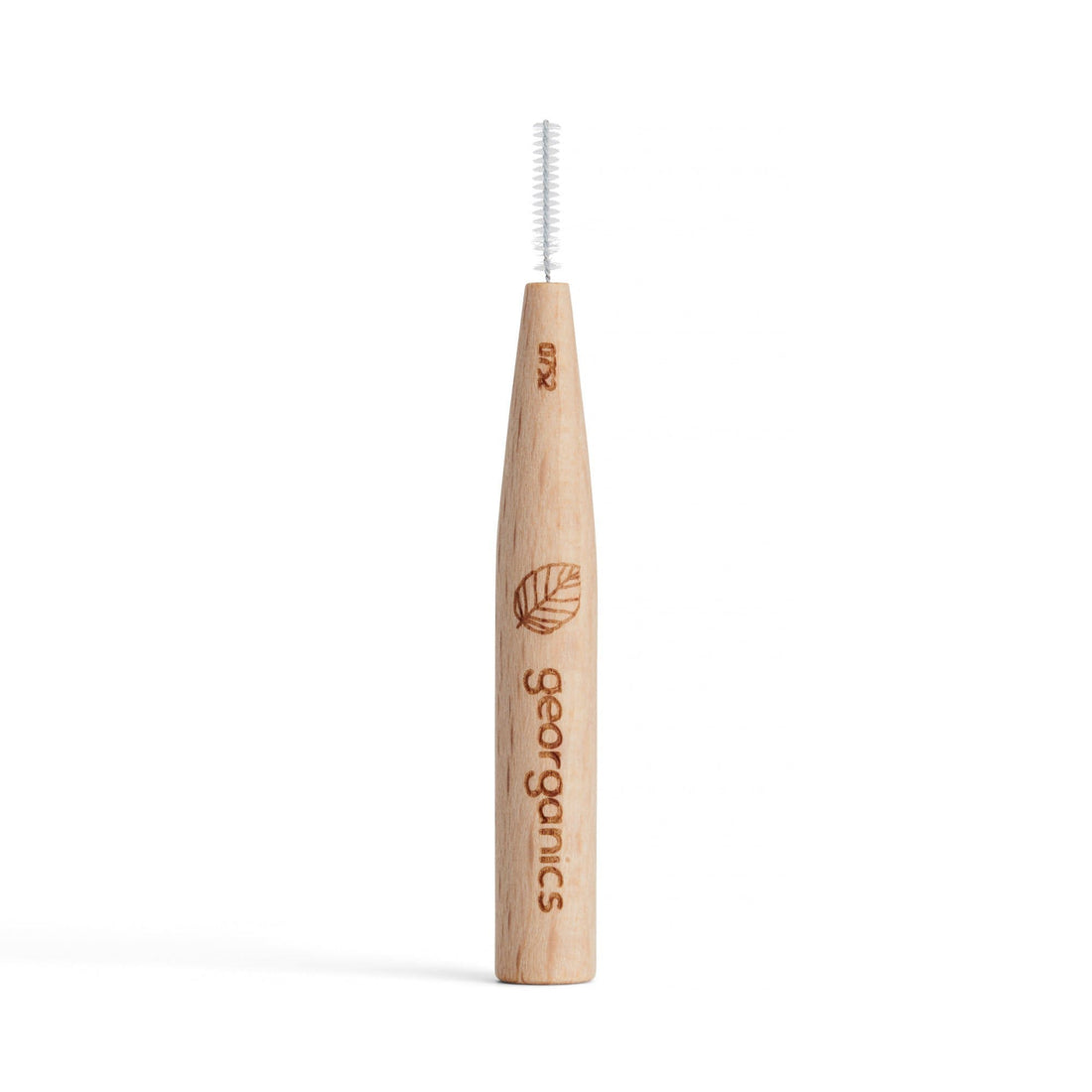 Vendor:Beechwood Interdental Brushes - 6 units - ISO 0 (0.4mm)Georganics
Quick view




FAQs
What causes bleeding gums?
Bleeding gums are most commonly
caused by a build-up of plaque along the gumline, which triggers inflammation
known as gingivitis. When plaque isn’t removed through regular brushing and
flossing, the bacteria it contains produce toxins that irritate gum tissue, causing it to become red, swollen and prone to bleeding. Other contributing factors include hormonal changes (particularly during pregnancy), certain medications that reduce saliva flow, vitamin deficiencies (especially vitamin C and K), aggressive brushing with a hard-bristled brush, and underlying health conditions. Smoking also significantly increases the risk of gum problems by reducing blood flow to the gums. If bleeding persists despite good oral hygiene, it’s worth speaking with your dentist to rule out more advanced gum disease.
How do probiotics work for gum health?
The mouth contains over 700 bacterial species, and gum disease develops when harmful, plaque-forming species outnumber beneficial ones. Probiotics work by introducing and supporting beneficial bacterial strains that compete directly with pathogenic bacteria for space and resources on the gum tissue. Prebiotics, meanwhile, feed these beneficial
bacteria and help them establish themselves. Our Prebiotics & Probiotics Toothpaste delivers both in a single formulation, combined with hydroxyapatite for enamel support at the gumline where recession may expose vulnerable root surfaces. Research has shown that
oral probiotics can reduce gingivitis markers, lower plaque scores, and improve overall gum tissue health. This microbiome-focused approach targets the underlying bacterial imbalance that causes gum problems, rather than simply wiping out all bacteria indiscriminately, which is what many conventional antibacterial mouthwashes do.
What is oil pulling and does it help gums?
Oil pulling is an Ayurvedic practice that involves swishing oil in the mouth for 10 to 20 minutes. The oil binds to bacteria, toxins and debris in the oral cavity, which are then
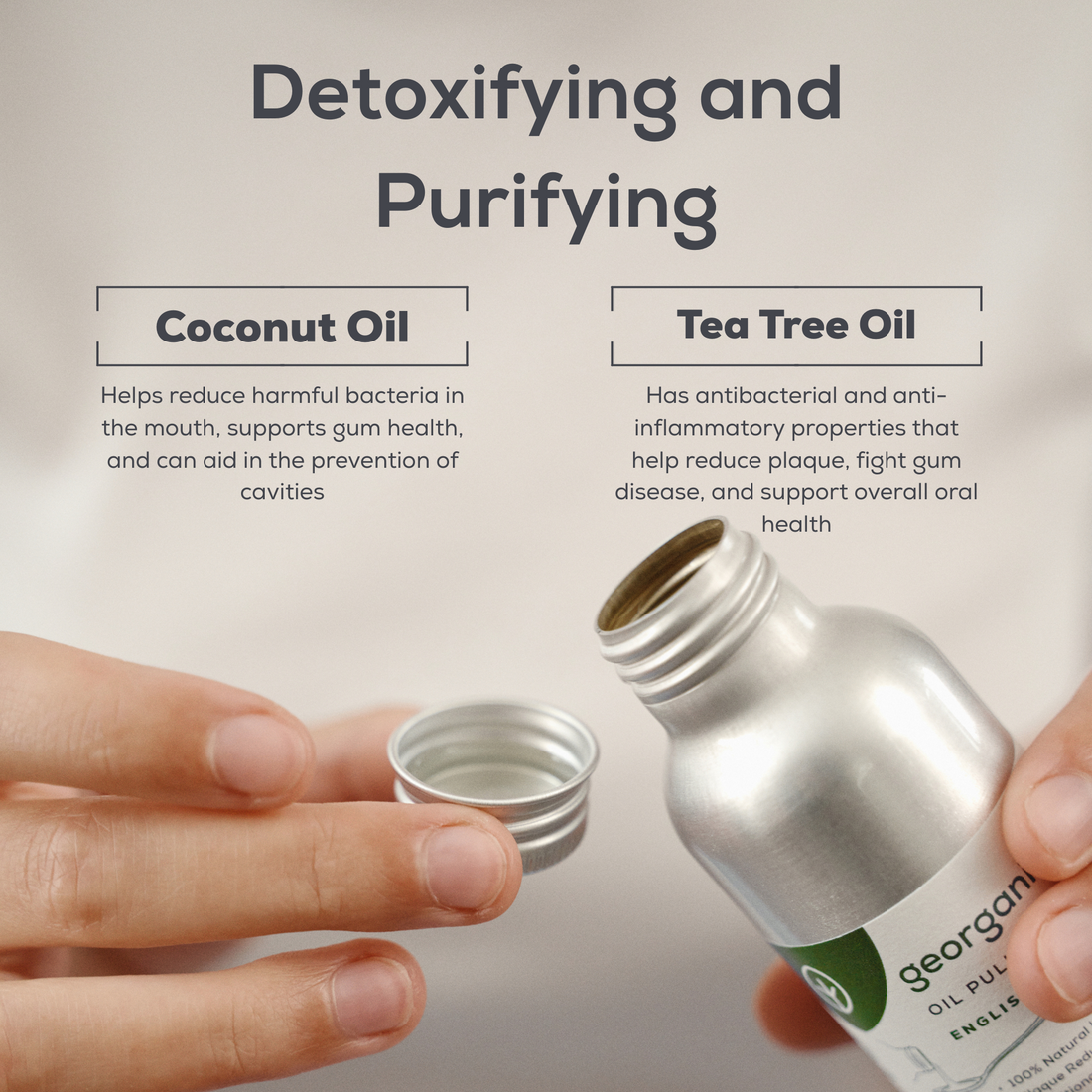
expelled when you spit it out. Studies have shown that oil pulling with coconut oil can reduce plaque levels and markers of gingivitis, partly because lauric acid, a key component of coconut oil has demonstrated antibacterial and anti-inflammatory properties. Our Oil Pulling Mouthwash comes in Peppermint and Tea Tree. The Tea Tree variant adds tea tree oil’s well-documented antibacterial action (driven by its active compound terpinen-4-ol),
making it particularly relevant for gum concerns. Oil pulling works best as a complement to brushing and flossing, not a replacement. Use it before brushing in the morning for the most effective routine.
What size interdental brush do I need?
The right interdental brush should fit snugly into the gap between your teeth without forcing. If it slides through without resistance, it’s too small and won’t clean effectively. If you have to push hard, it’s too large and may damage the gum tissue. Most people need different sizes for different parts of their mouth, gaps tend to be smaller between front teeth and larger between molars. Our Beechwood Interdental Brushes are available in three ISO sizes: ISO 0
(0.4mm) for tight gaps, ISO 2 (0.5mm) for medium spaces, and ISO 3 (0.6mm) for wider gaps. Your dentist or hygienist can recommend the right sizes during your next visit. Replace interdental brushes when the bristles become worn or bent, typically every 1 to 2 weeks depending on use.The right interdental brush should fit snugly into the gap between your teeth without forcing.
If it slides through without resistance, it’s too small and won’t clean effectively. If you have to push hard, it’s too large and may damage the gum tissue. Most people need different sizes for different parts of their mouth, gaps tend to be smaller between front teeth and larger between molars. Our Beechwood Interdental Brushes are available in three ISO sizes: ISO 0 (0.4mm) for tight gaps, ISO 2 (0.5mm) for medium spaces, and ISO 3 (0.6mm) for wider gaps. Your dentist or hygienist can recommend the right sizes during your next visit. Replace interdental brushes when the bristles become worn or bent, typically every 1 to 2 weeks
depending on use.
What is the best daily routine for gum health?
A complete gum care routine addresses every surface where plaque can accumulate. Start your morning with oil pulling , our Oil Pulling Mouthwash (Peppermint or Tea Tree) uses
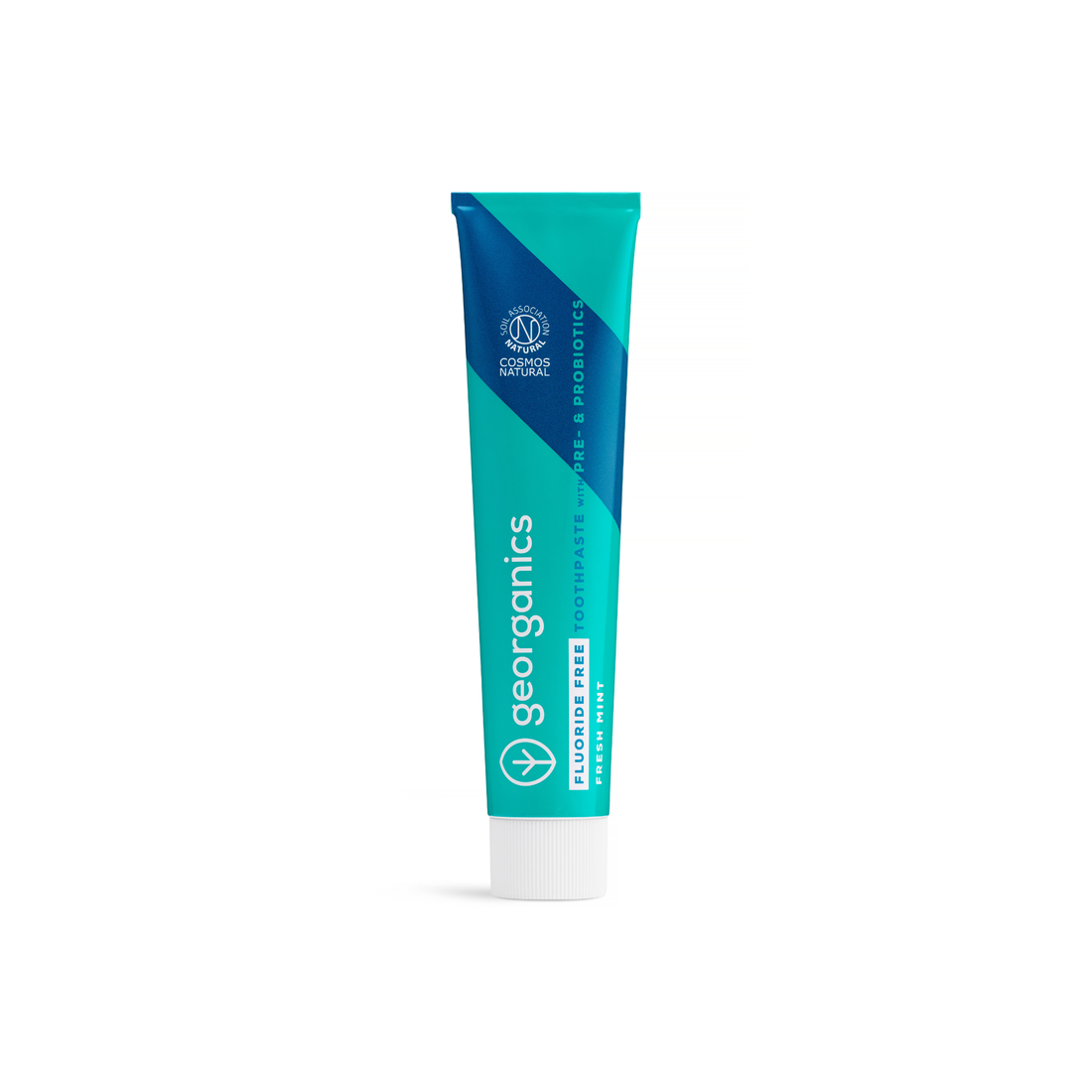
organic coconut oil to draw out bacteria before you brush. Follow with our Prebiotics & Probiotics Toothpaste, which delivers pre and probiotics for microbiome balance alongside hydroxyapatite for enamel protection at the gumline. After brushing, clean between your teeth: use our Dental Floss (available in Bionylon Spearmint, Plastic Free Peppermint, or Fluoride with Activated Charcoal) and our Beechwood Interdental Brushes to remove the plaque your toothbrush can’t reach. Repeat brushing and interdental cleaning in the evening. Consistency is more important than any single product, plaque starts reforming within hours of brushing, so twice-daily thorough cleaning is essential for keeping gums healthy long-term.
Can receding gums grow back?
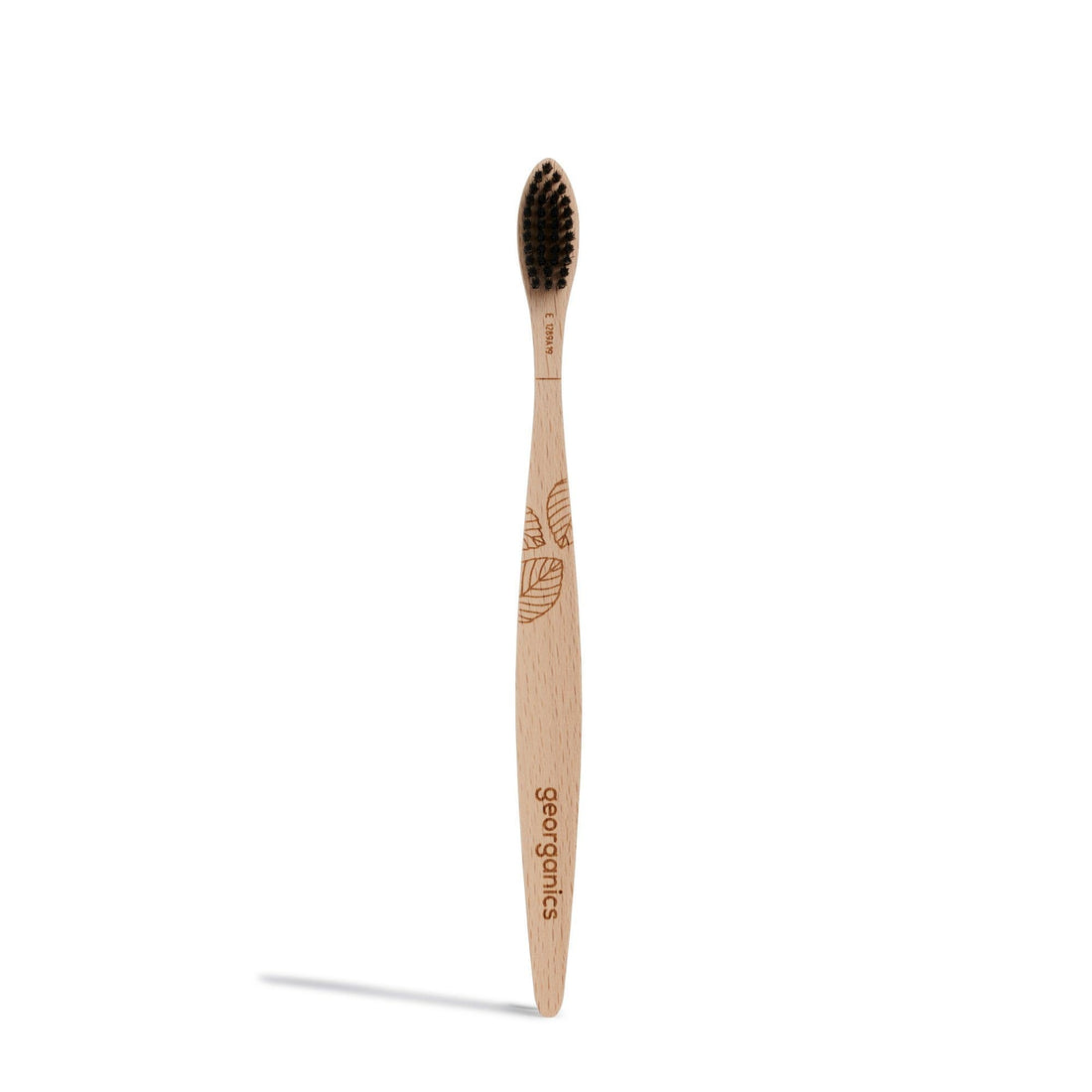
Unfortunately, gum tissue that has receded does not grow back on its own. Gum recession is permanent in most cases, once the tissue has pulled away from the tooth, it doesn’t regenerate naturally. In severe cases, a dentist may recommend gum grafting surgery to restore coverage. However, what you can do is prevent further recession and protect the exposed surfaces. The most common causes of recession are aggressive brushing, untreated gum disease, and plaque build-up along the gumline. Switching to a soft-bristled brush, improving your interdental cleaning with floss and interdental brushes, and using a
toothpaste that supports gum health through microbiome balance (like our Prebiotics & Probiotics Toothpaste) can all help stabilise the gumline. Where recession has exposed the root surface, hydroxyapatite in the toothpaste helps protect this more vulnerable area by depositing mineral onto the exposed dentine
Does Georganics gum care toothpaste contain SLS, triclosan or harsh chemicals?
No. Every Georganics product is formulated without SLS (sodium lauryl sulfate), triclosan, parabens, artificial sweeteners and synthetic preservatives. These are deliberate formulation choices based on what each ingredient does, or doesn’t do. SLS is a foaming agent that can irritate sensitive gum tissue and strip the mouth’s protective mucous layer. Triclosan is an antimicrobial agent that kills beneficial bacteria alongside harmful ones and has raised concerns about antimicrobial resistance. Our approach is different: rather than using broadspectrum chemicals that disrupt the entire oral ecosystem, our Prebiotics & Probiotics Toothpaste works with your mouth’s biology by supporting beneficial bacteria. Each ingredient has a clear, functional purpose. Nothing is added for cosmetic effect or shelf-life convenience.