

Mint-Free
Mint is not for everyone. For those with sensitivities, personal taste preferences, or specific health considerations, our mint-free oral care offers an effective alternative without compromise. Thoughtfully formulated for comfort and everyday use, these formulas deliver a clean, balanced brushing experience in a way that feels naturally simple.
-
NEW - Toothpaste with Hydroxyapatite - Fennel - Fluoride Free
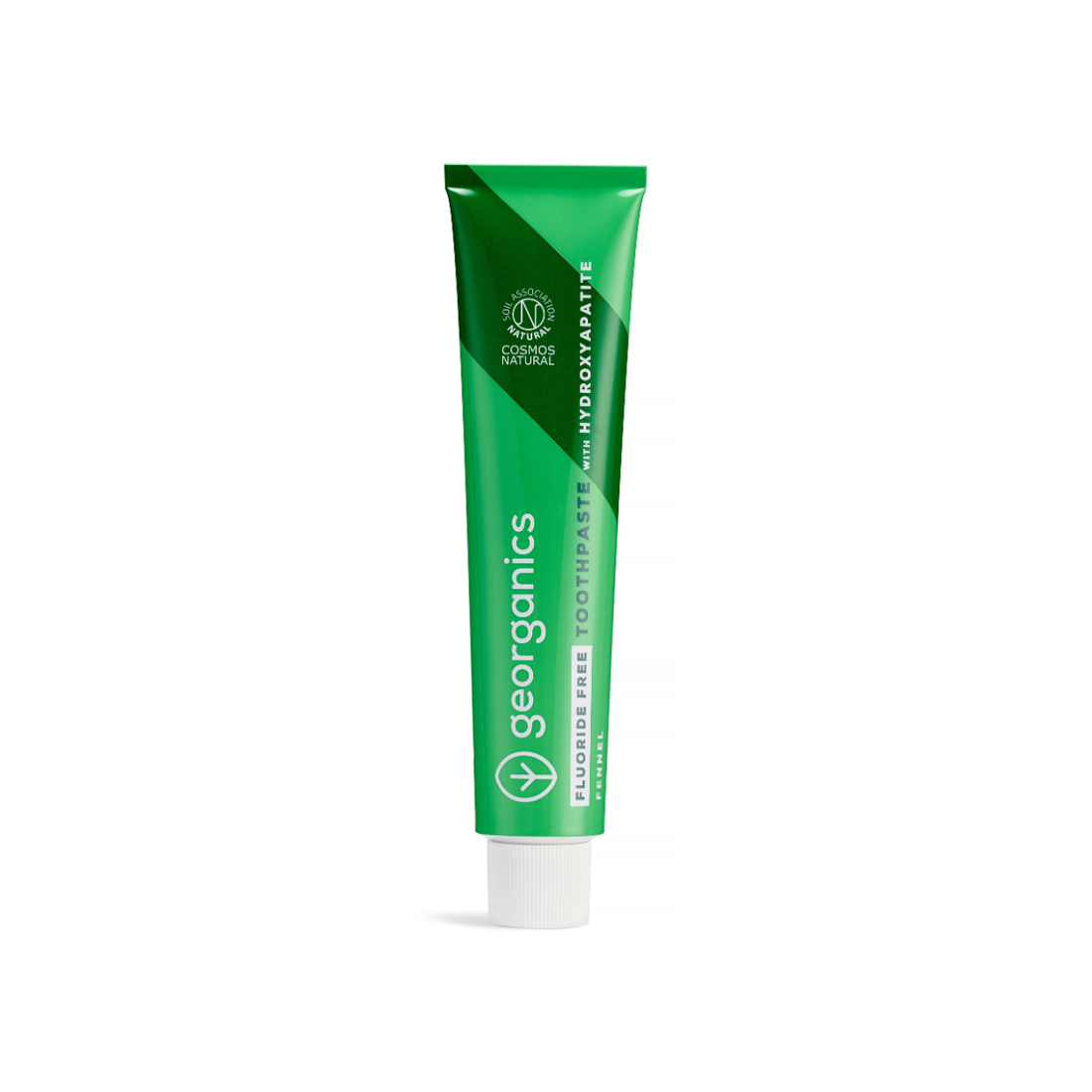
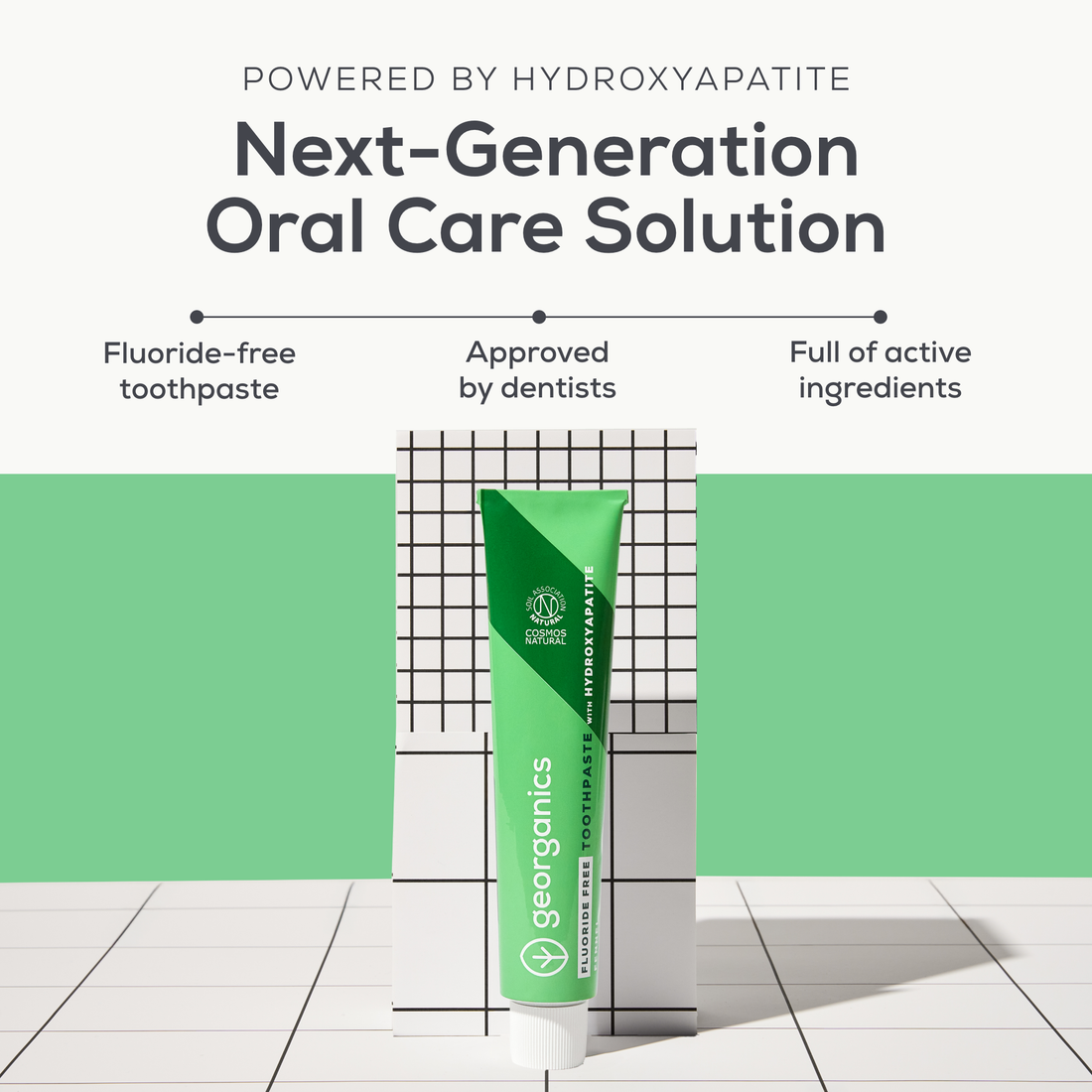 Vendor:NEW - Toothpaste with Hydroxyapatite - Fennel - Fluoride FreeGeorganics
Quick view
-
Fluoride Free Toothpaste - Tea Tree
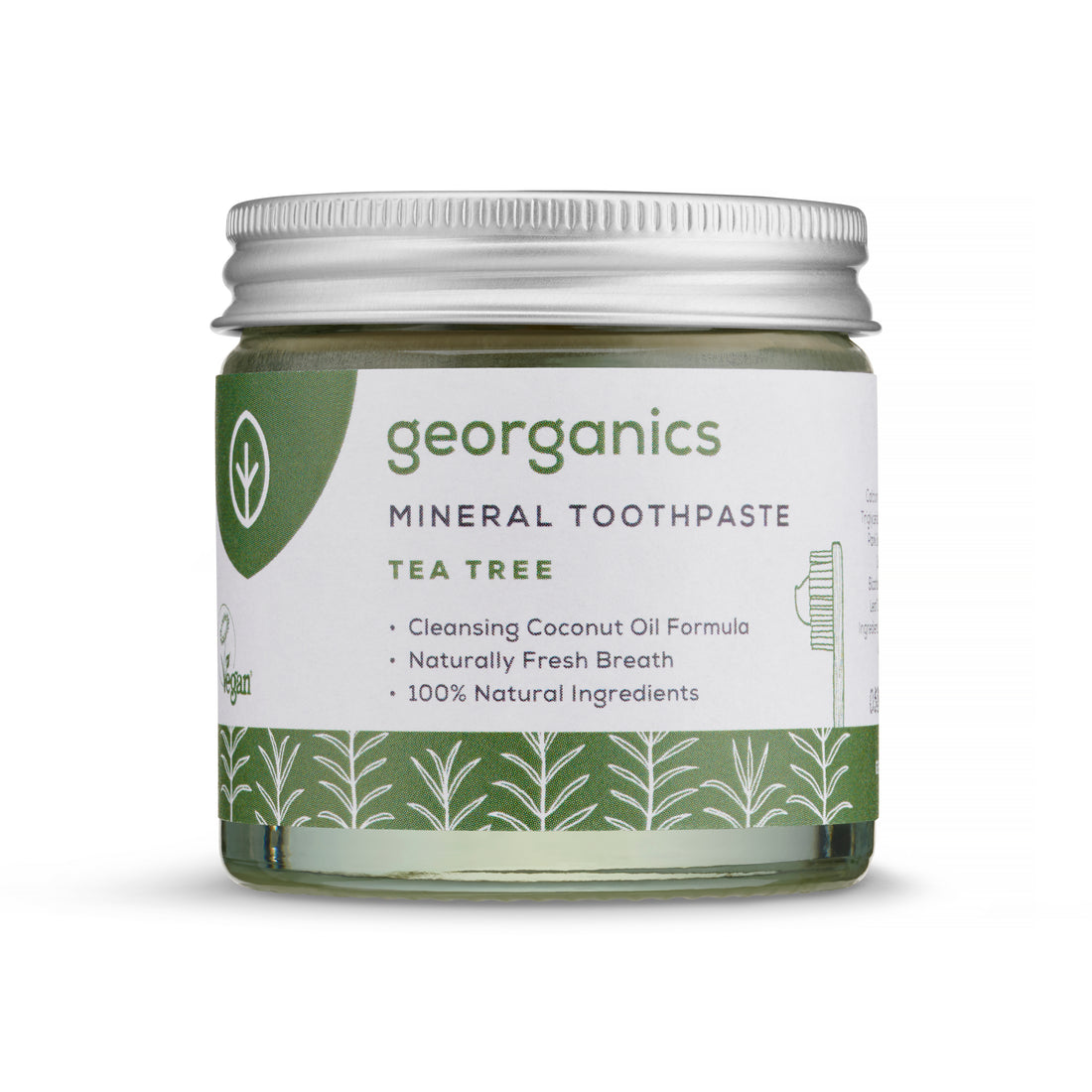
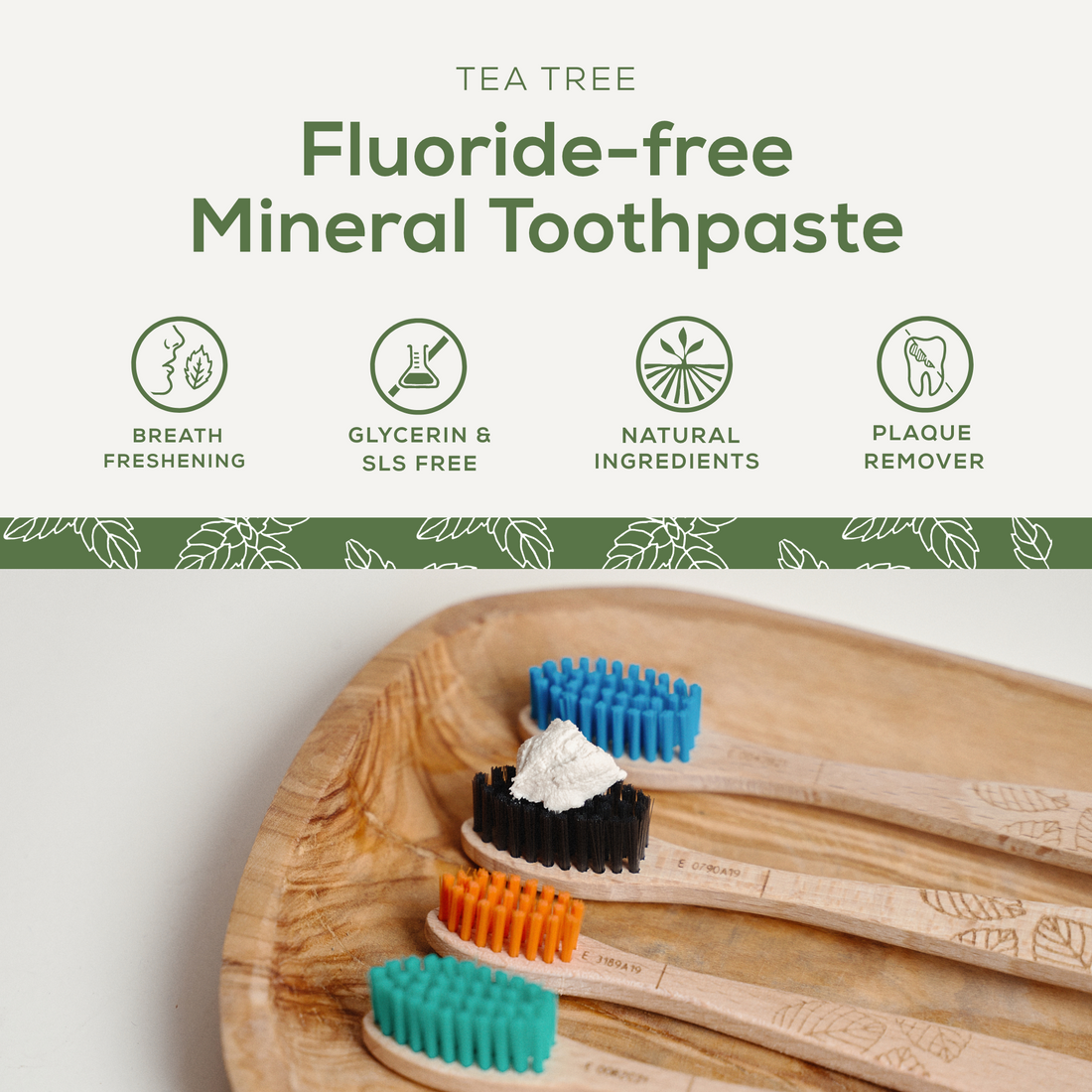 Vendor:Fluoride Free Toothpaste - Tea TreeGeorganics
Quick view
-
Mineral Toothpaste Powder - Tea Tree
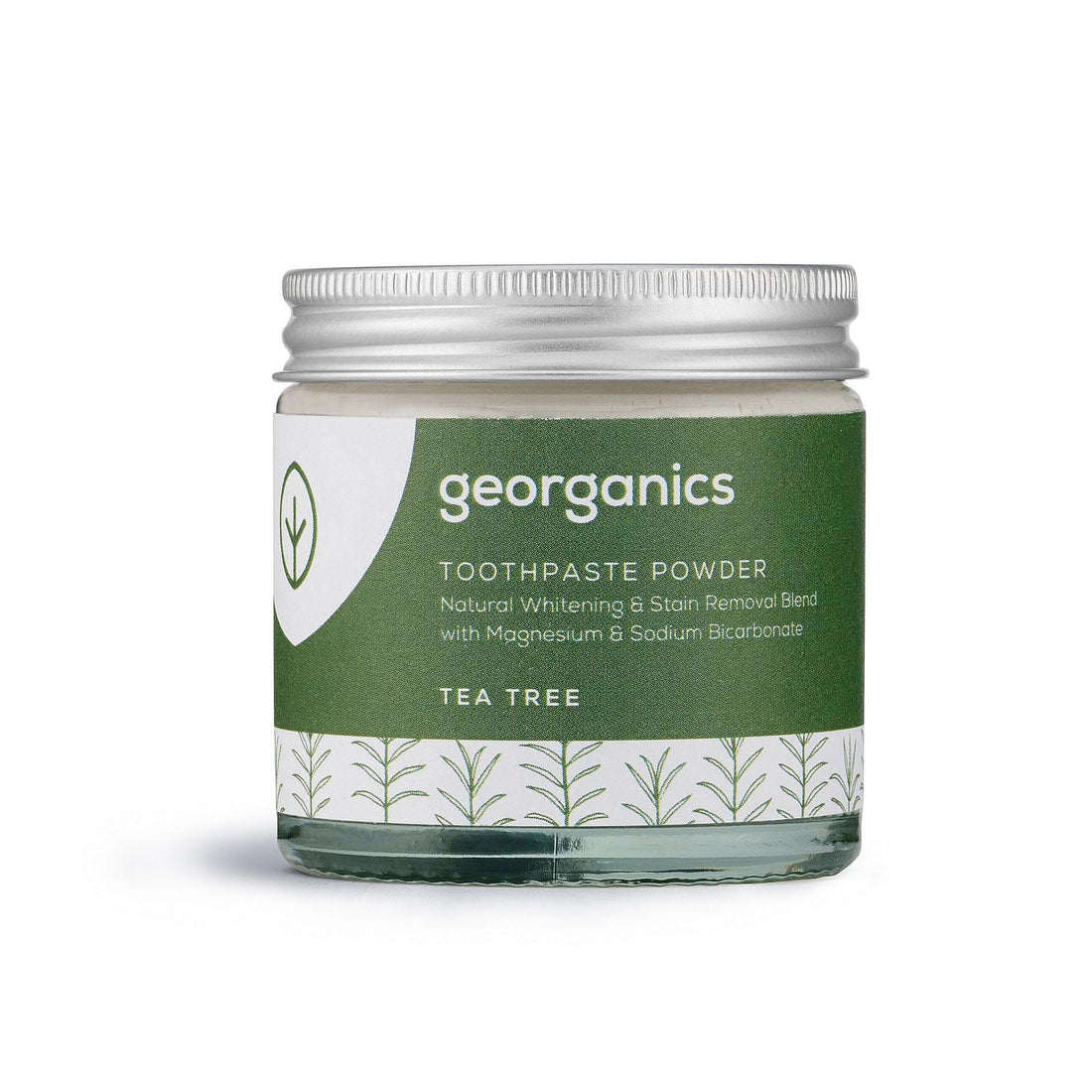
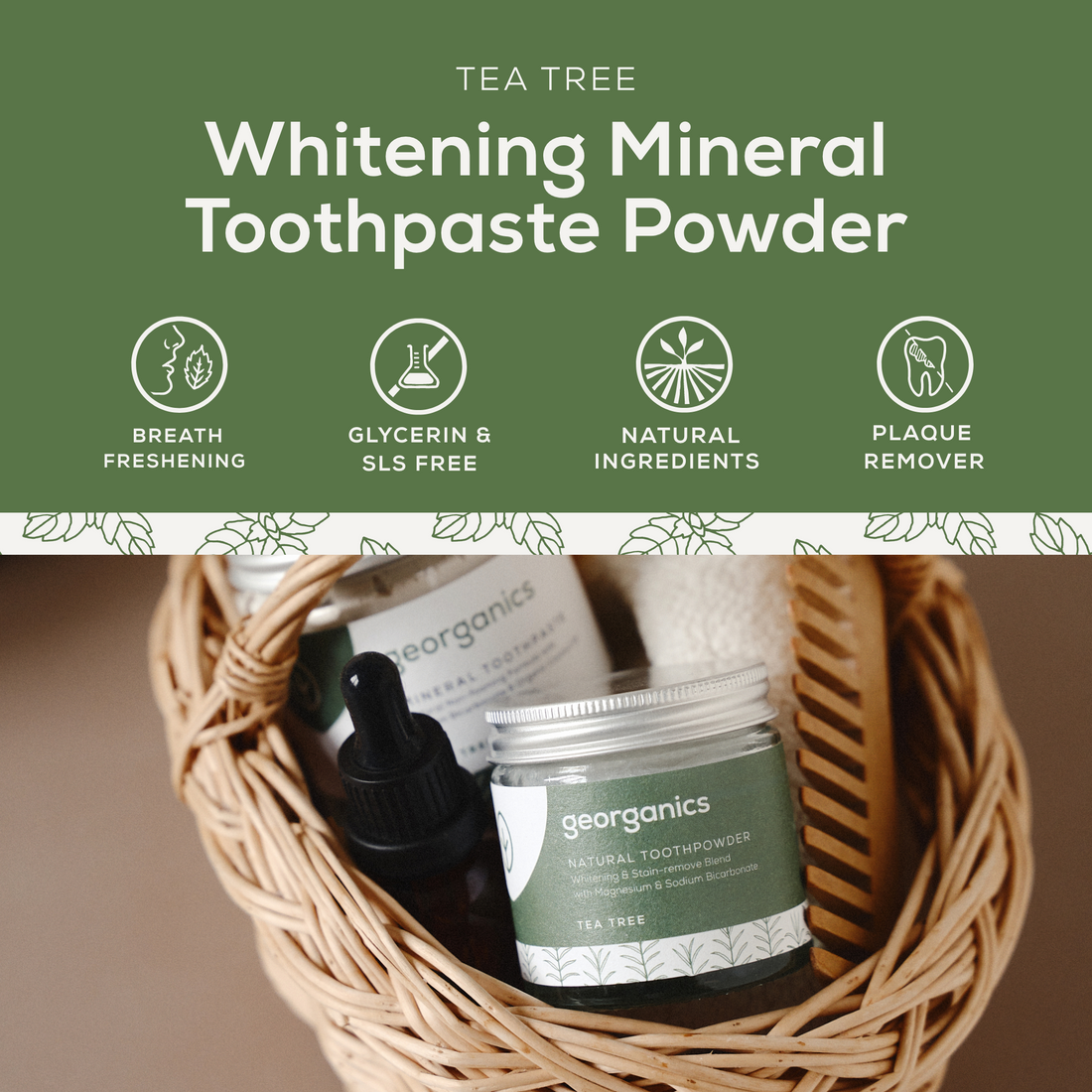 Vendor:Mineral Toothpaste Powder - Tea TreeGeorganics
Quick view
FAQs
What are the benefits of fennel in toothpaste?
Fennel (Foeniculum vulgare) has a long history of use in oral health. Fennel essential oil contains compounds, primarily anethole, fenchone and estragole, that have
demonstrated antibacterial and anti-inflammatory properties in research. It provides a subtly sweet, anise-like flavour that is pleasant without being overwhelming, making it particularly well suited for people who find mint too intense. Beyond flavour, fennel has traditionally been used to freshen breath and soothe the oral cavity. In our Hydroxyapatite Toothpaste Fennel, it’s paired with micro-hydroxyapatite for enamel remineralisation and erythritol for
antibacterial action, the fennel provides both a functional contribution and a genuine
flavour alternative to mint.
What is erythritol in toothpaste and what does it do?
Erythritol is a sugar alcohol that plays a specific functional role in oral care. Like xylitol, it cannot be metabolised by cavity-causing bacteria, so it helps reduce their growth and acid production. But erythritol has an additional advantage: studies have shown it inhibits the formation of bacterial biofilms (the sticky communities that become plaque) more effectively than xylitol in some conditions, partly because its smaller molecular size allows it to penetrate and disrupt existing biofilm structures. Our Hydroxyapatite Toothpaste Fennel combines erythritol with micro-hydroxyapatite, erythritol disrupts the bacteria that cause
decay, while hydroxyapatite rebuilds the mineral structure they’ve damaged. It’s a functional ingredient that earns its place through proven efficacy.
Is tea tree oil effective for oral health?
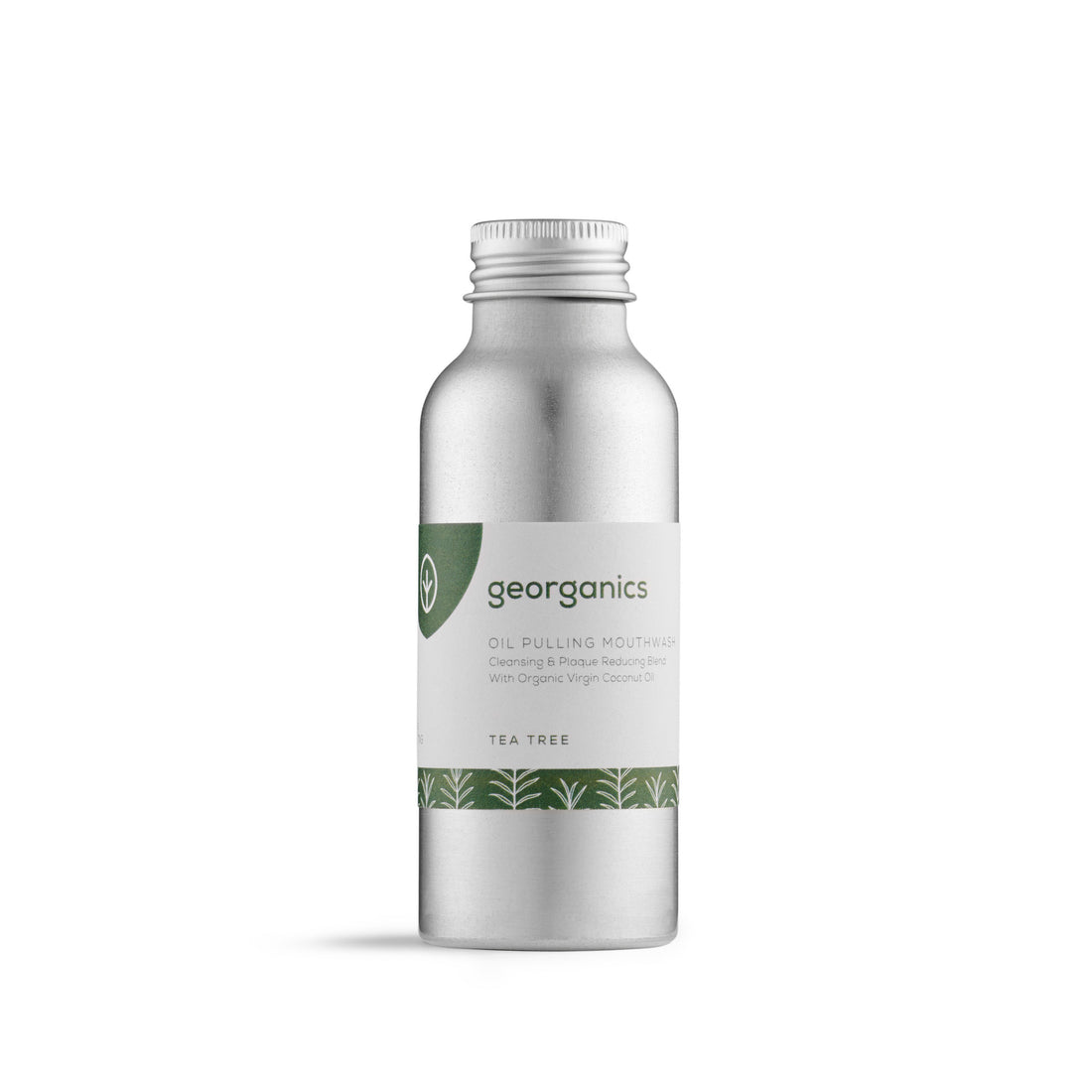
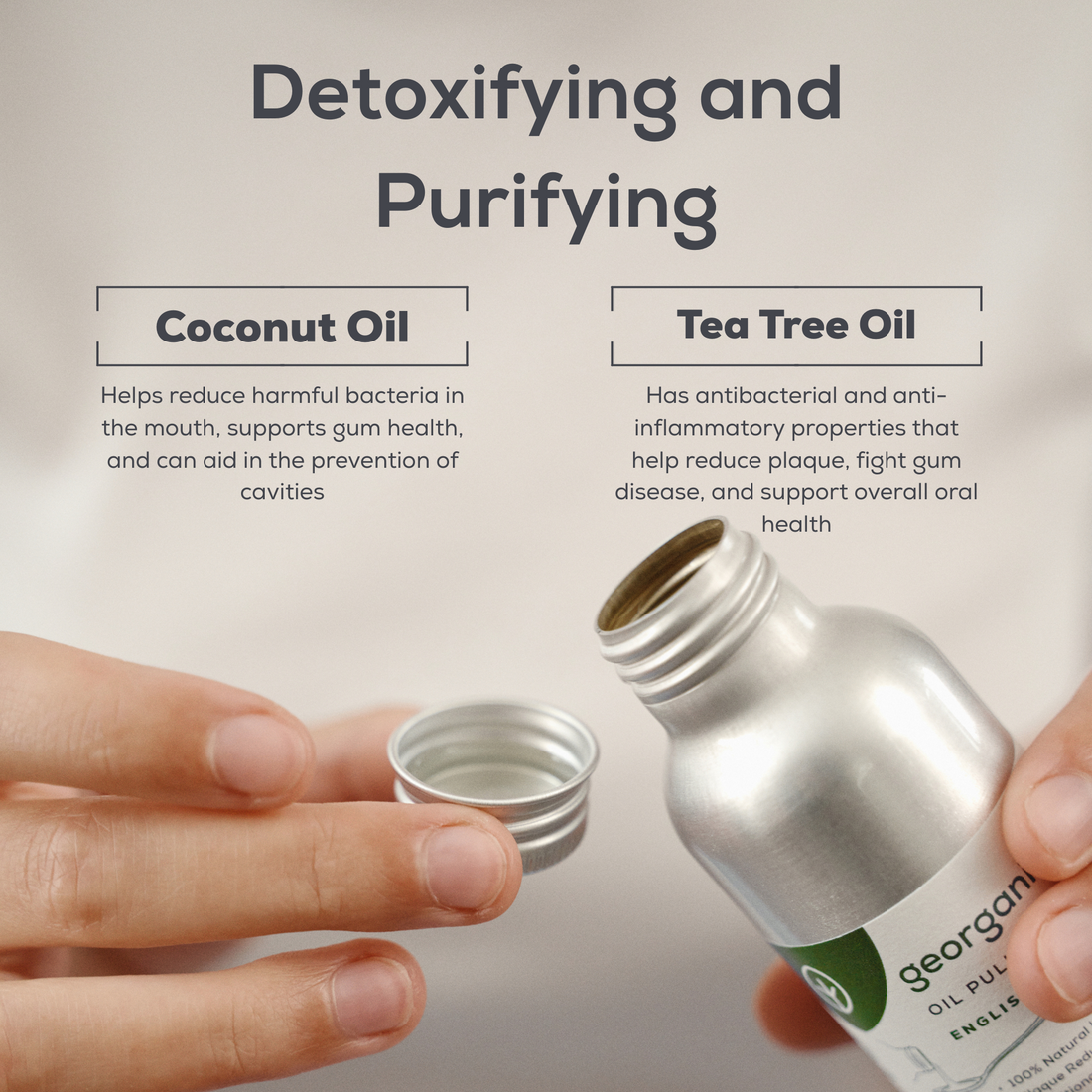
Tea tree oil (Melaleuca alternifolia) has well-documented antibacterial, antifungal and antiinflammatory properties, driven primarily by its active compound terpinen-4-ol. In oral care, these properties make it effective against bacteria associated with gum inflammation and plaque formation. Studies have shown that tea tree oil can reduce gingivitis markers and lower bacterial counts in the mouth. We use tea tree oil across three mint-free formats: the Fluoride Free Toothpaste Tea Tree (jar), where it complements the mineral-based cleaning
formula with calcium carbonate and xylitol; the Mineral Toothpaste Powder Tea Tree, for
combined polishing and antibacterial action; and the Oil Pulling Mouthwash Tea Tree, where it works alongside organic coconut oil’s lauric acid for a dual antibacterial effect.
Do mint-free toothpastes clean as effectively as mint toothpastes?
Identically. Mint and menthol are flavouring agents, they create a cooling sensation that
many people associate with cleanliness, but they play zero role in the actual cleaning,
remineralising or antibacterial function of toothpaste. Removing mint has no impact on how well the product works. Our Fennel Hydroxyapatite Toothpaste contains the same remineralising micro-hydroxyapatite as our mint-based tubes, plus erythritol for antibacterial action. Our Tea Tree products use the same mineral-based formulations as our mint jars and powders, with the added functional benefit of tea tree oil’s antibacterial properties, which mint doesn’t actually provide. The ‘clean feeling’ after brushing with mint is a sensation, not
evidence of cleaning.
Why do some people need to avoid mint in toothpaste?
There are several well-founded reasons. For those who practise homeopathy, mint and
menthol can interfere with the action of certain remedies, many homeopaths specifically advise patients to avoid mint in all forms, including toothpaste, throughout their treatment. For people with sensory processing differences, including those on the autism spectrum, the intense flavour and strong cooling sensation of mint can be overwhelming and make brushing genuinely difficult or distressing, turning a basic hygiene routine into a daily battle. Some people experience a burning sensation or mouth irritation from menthol. And for anyone undergoing certain medical treatments, mint can exacerbate nausea or oral sensitivity. The need for effective mint-free oral care is more common than most brands acknowledge.
Does Georganics mint-free range contain artificial flavours or synthetic chemicals?
No. Our mint-free products are flavoured exclusively with essential oils, fennel essential oil in the Hydroxyapatite Toothpaste and tea tree essential oil across the jar, powder and oil pulling range. There are no artificial flavouring compounds, no synthetic sweeteners and no chemical flavour enhancers. The same principle applies across the formulation: we exclude
SLS, parabens, artificial preservatives, artificial colours and microplastics. Each ingredient serves a specific purpose, micro-hydroxyapatite remineralises, erythritol fights bacteria, calcium carbonate cleans, kaolin clay polishes, coconut oil binds to toxins during oil pulling. The flavour comes from the same essential oils that contribute functional benefits to the formula, not from synthetic compounds designed purely for taste.