

Plaque Control
Plaque forms naturally throughout the day, left unchecked, it hardens into tartar and increases cavity and gums risk. These formulas targets plaque at its sources with Hydroxyapatite, Erythritol and Xylitol to starve plaque-forming bacteria and to support a balanced oral microbiome that naturally competes with harmful species. Teeth stay cleaner for longer, with a mouth that feels fresher between brushings.
-
Toothpaste with Hydroxyapatite - Fresh Mint - Fluoride
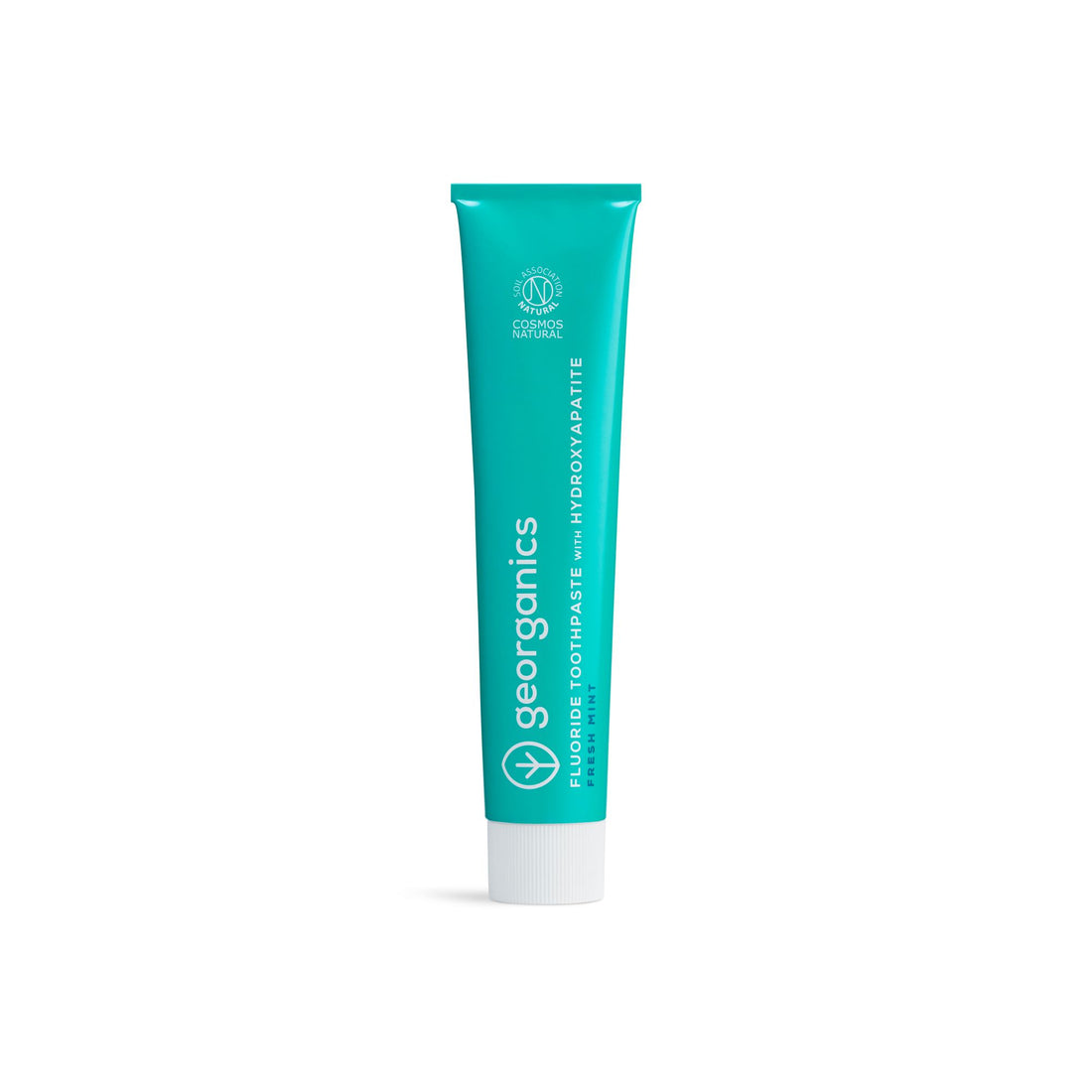
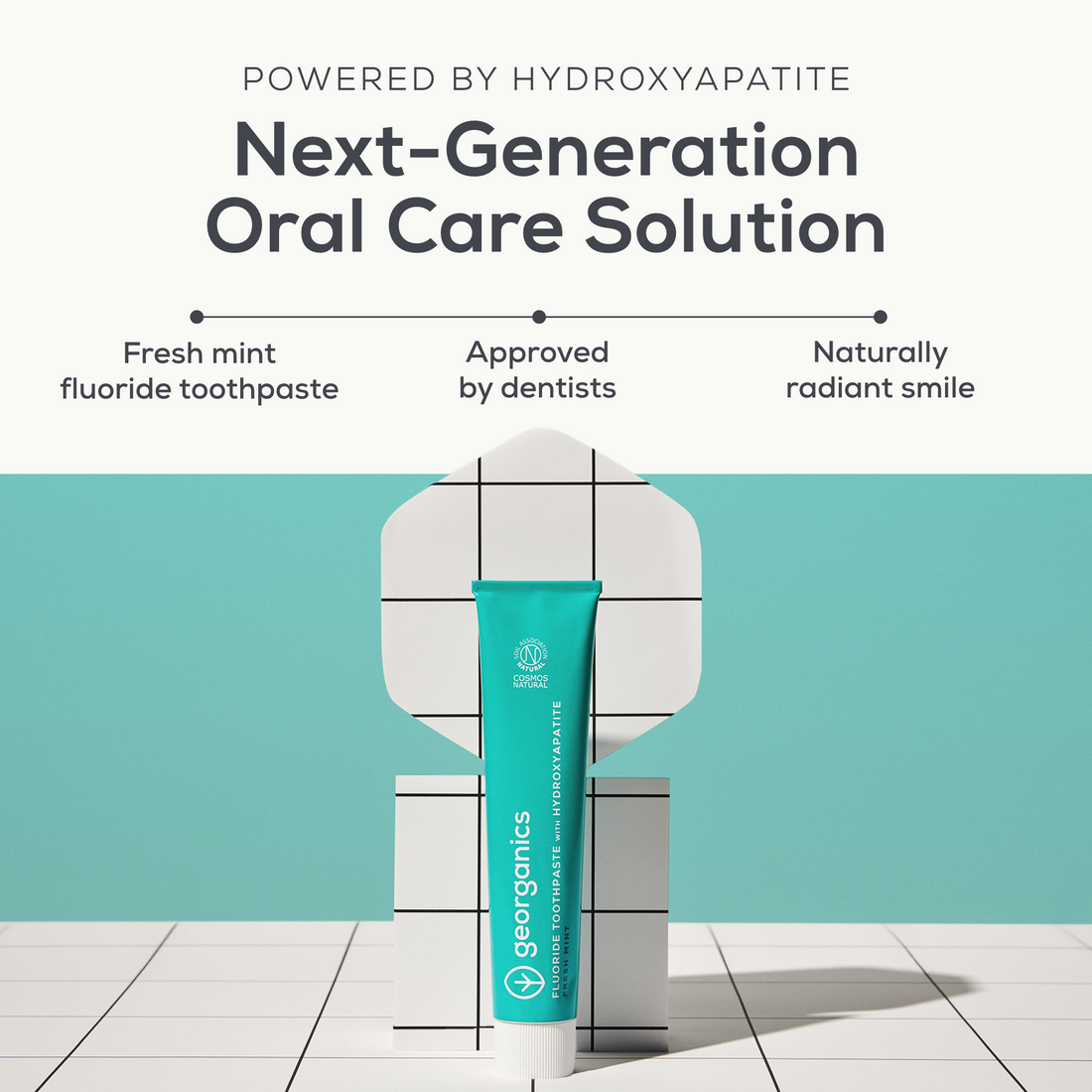 Vendor:Toothpaste with Hydroxyapatite - Fresh Mint - FluorideGeorganics
Quick view
-
NEW - Toothpaste with Hydroxyapatite - Fennel - Fluoride Free
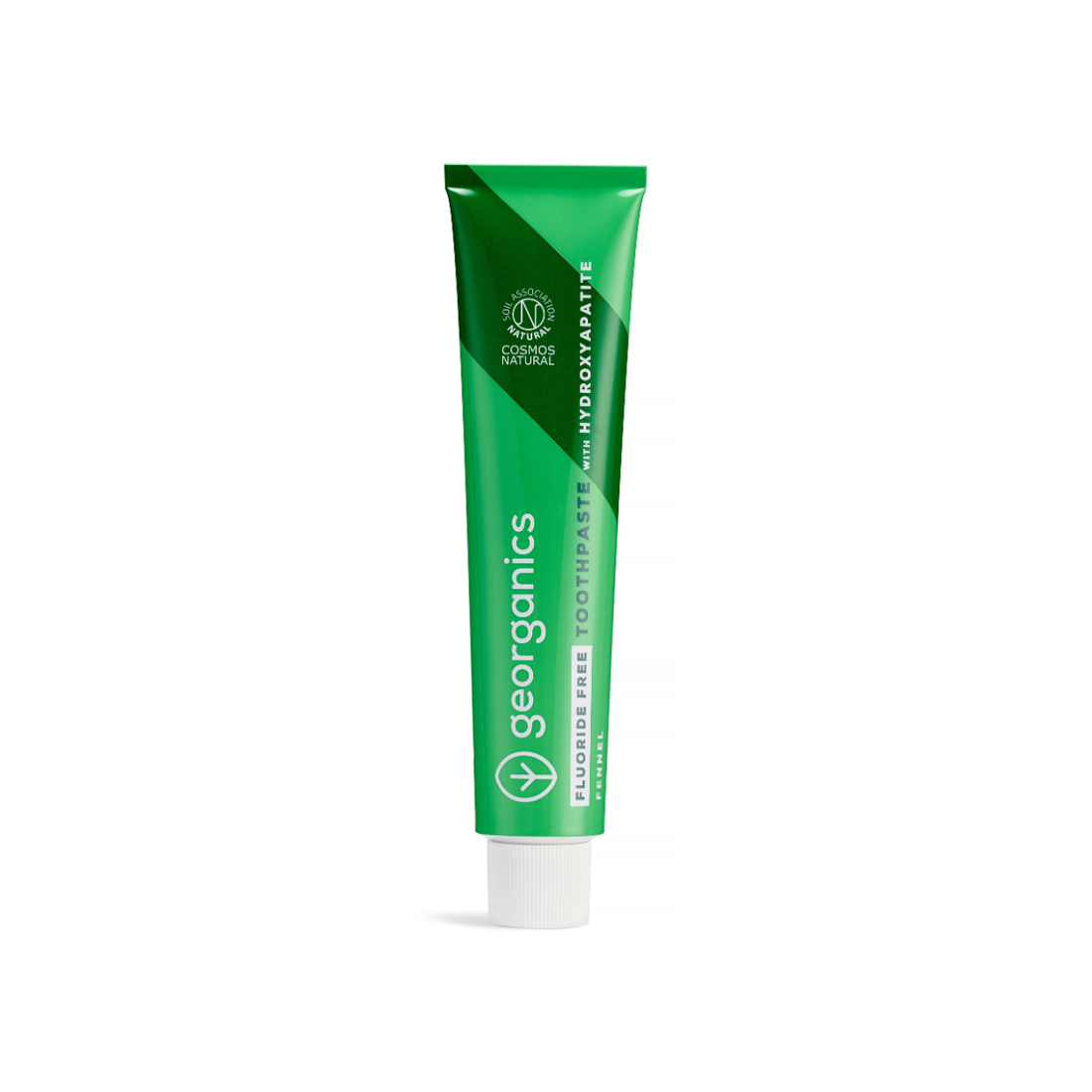
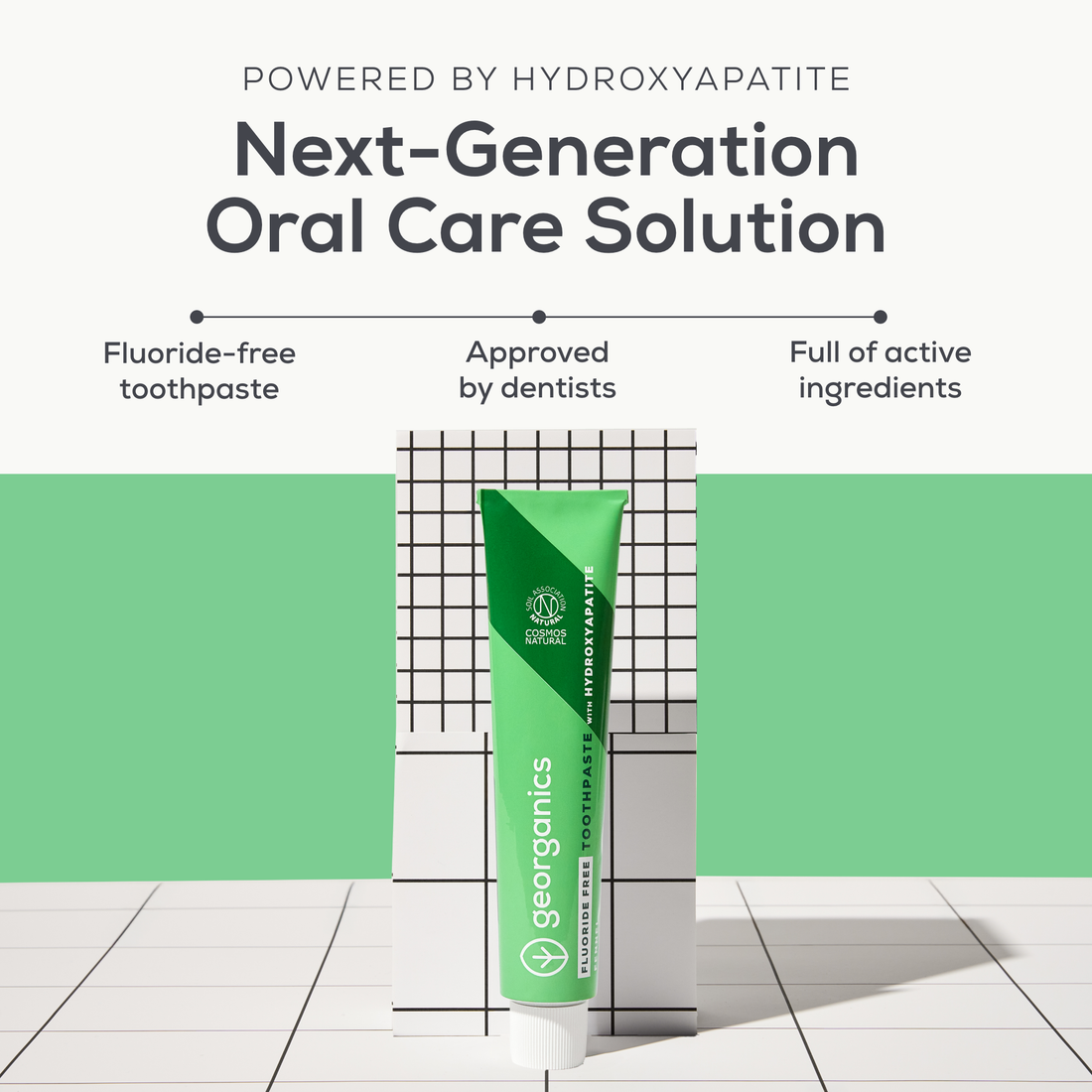 Vendor:NEW - Toothpaste with Hydroxyapatite - Fennel - Fluoride FreeGeorganics
Quick view
-
Mineral Toothpaste Powder - Peppermint
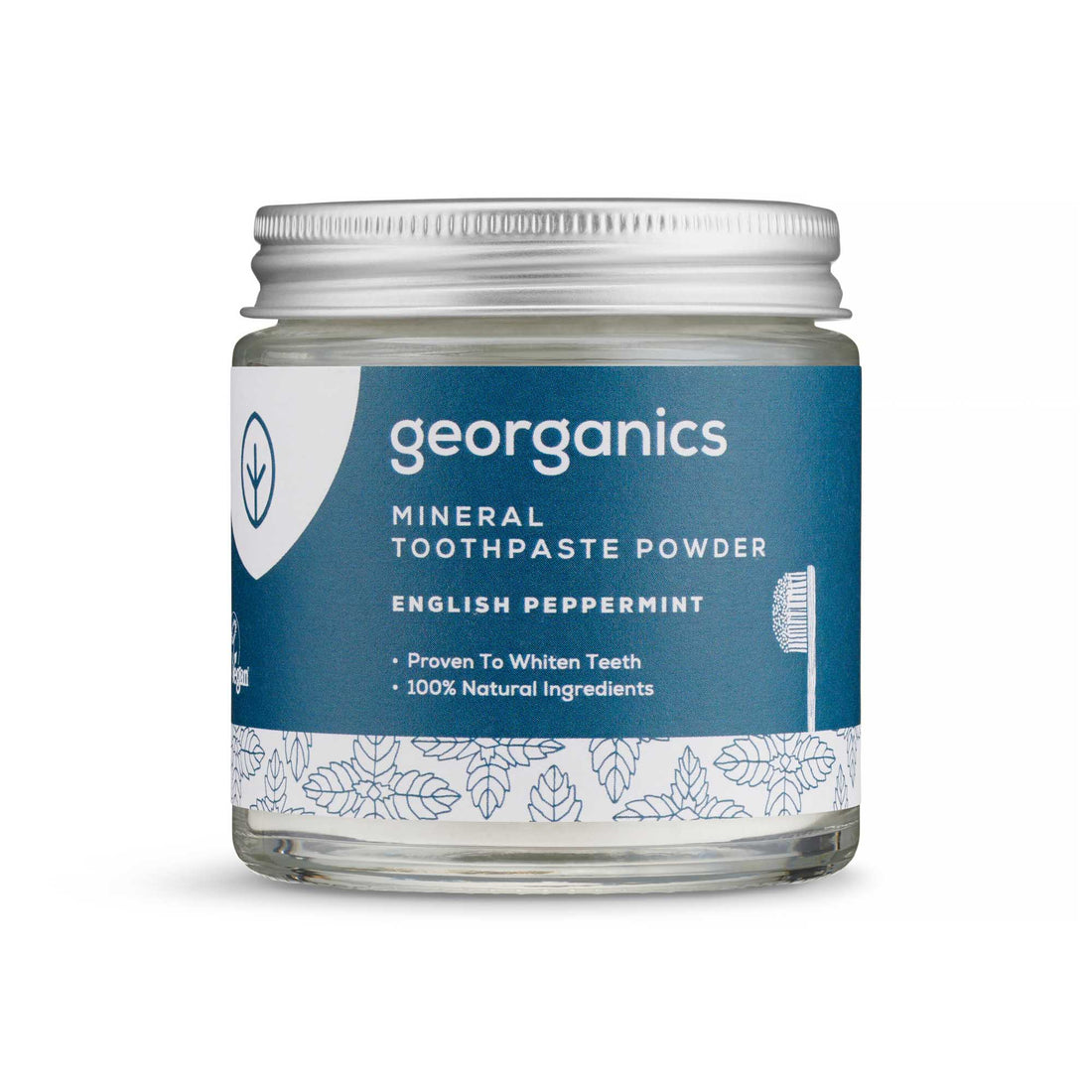
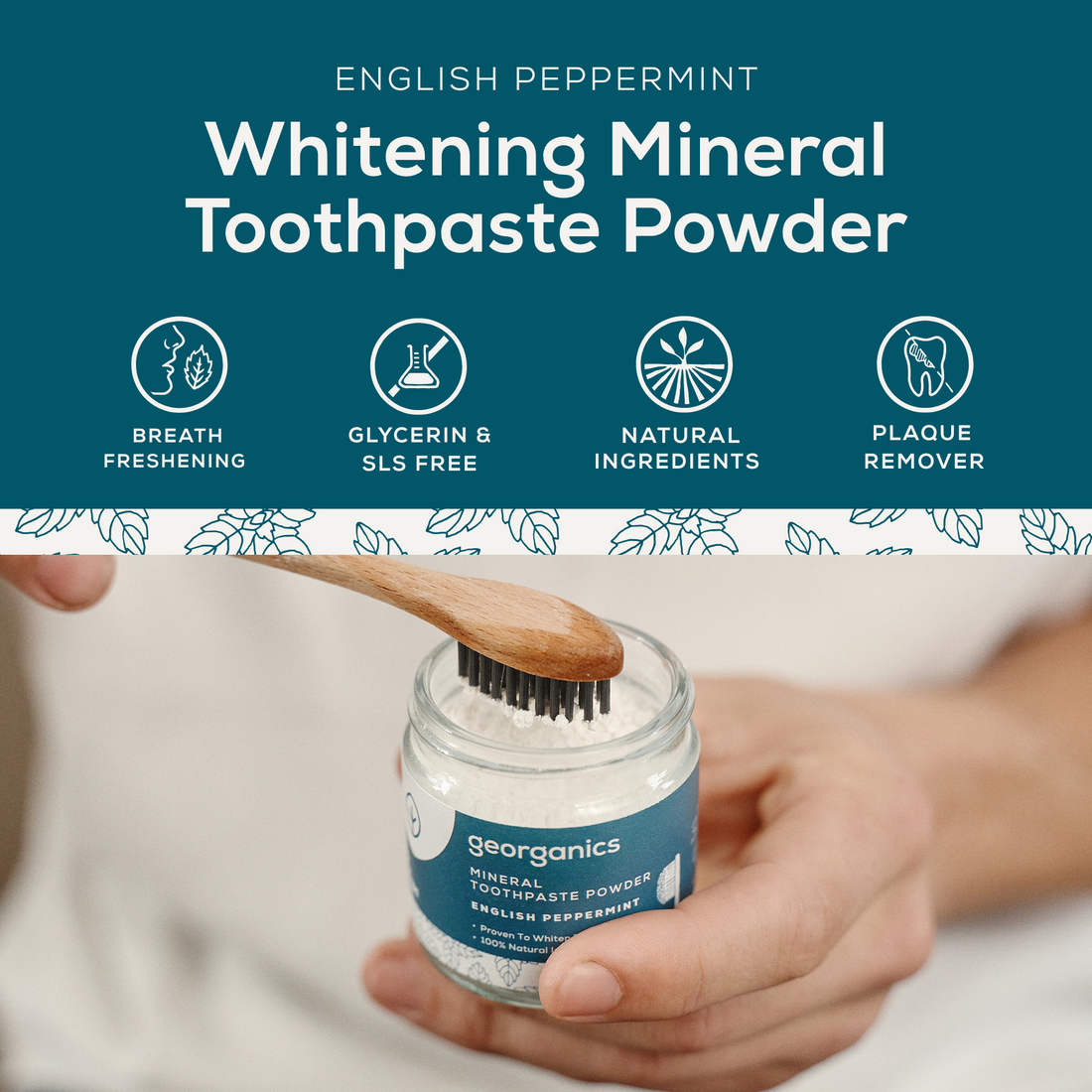 Vendor:Mineral Toothpaste Powder - PeppermintGeorganics
Quick view
-
Sonic Toothbrush Set - 50000 Strokes Per Minutes
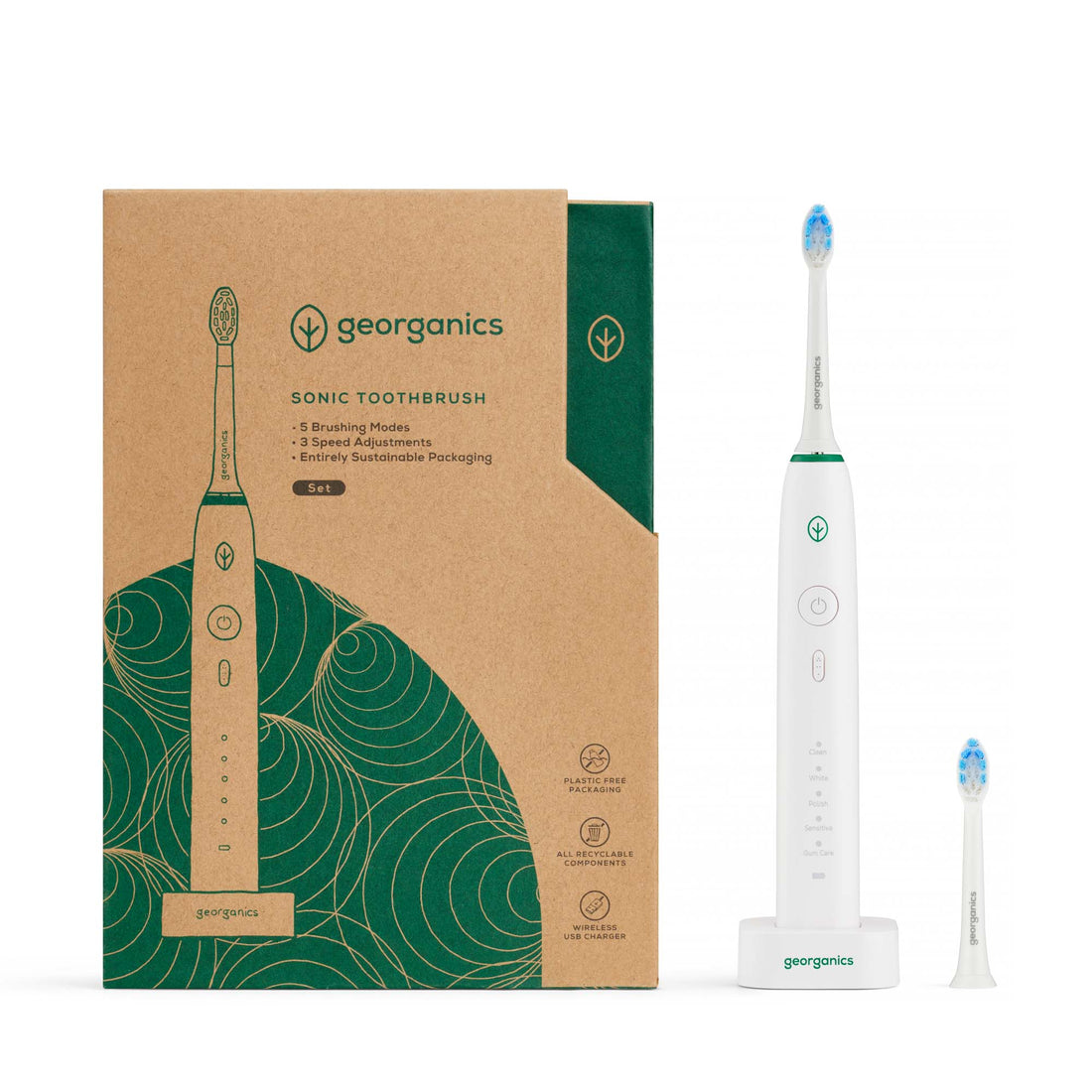
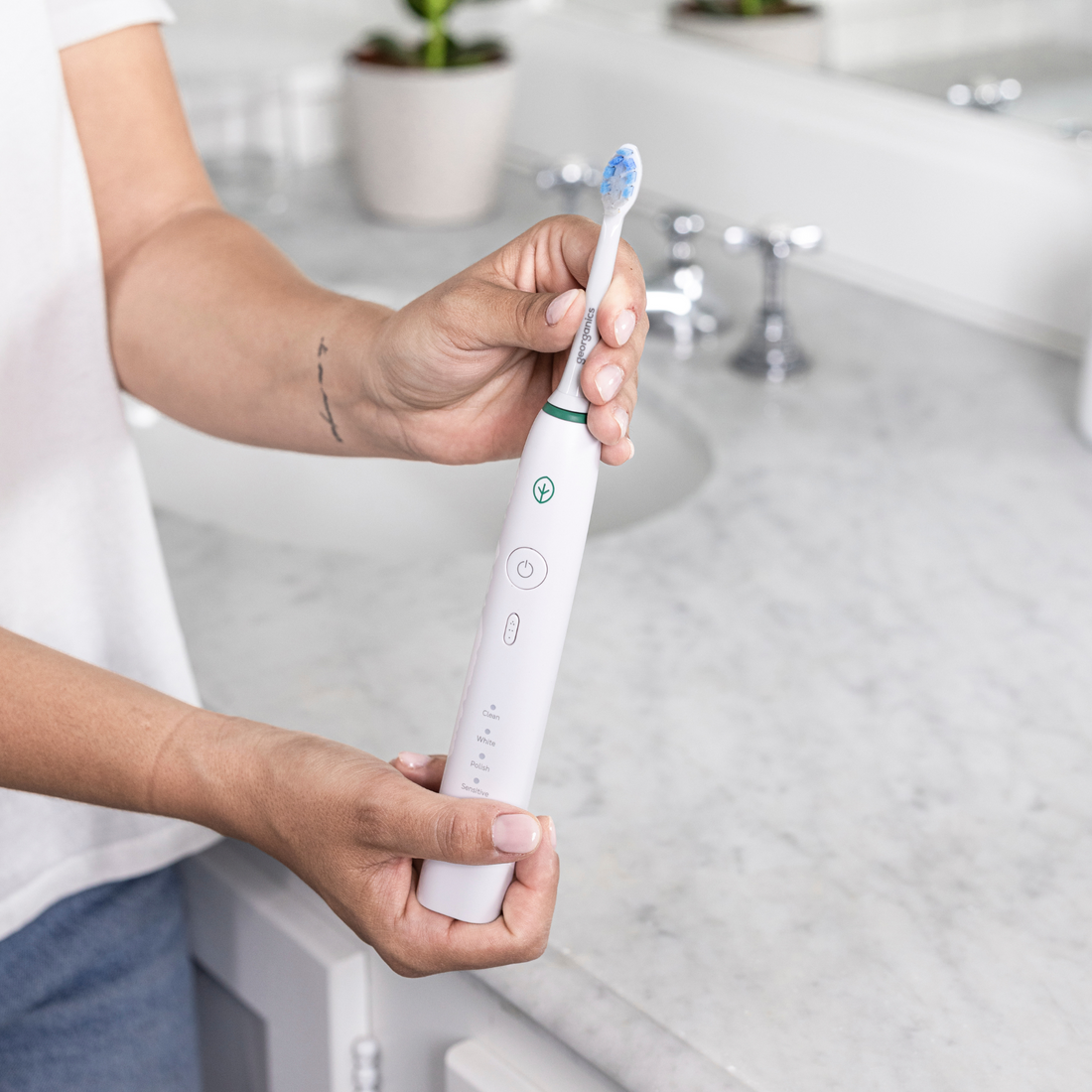 Vendor:Sonic Toothbrush Set - 50000 Strokes Per MinutesGeorganics
Quick view
-
Plastic Free Floss - English Peppermint
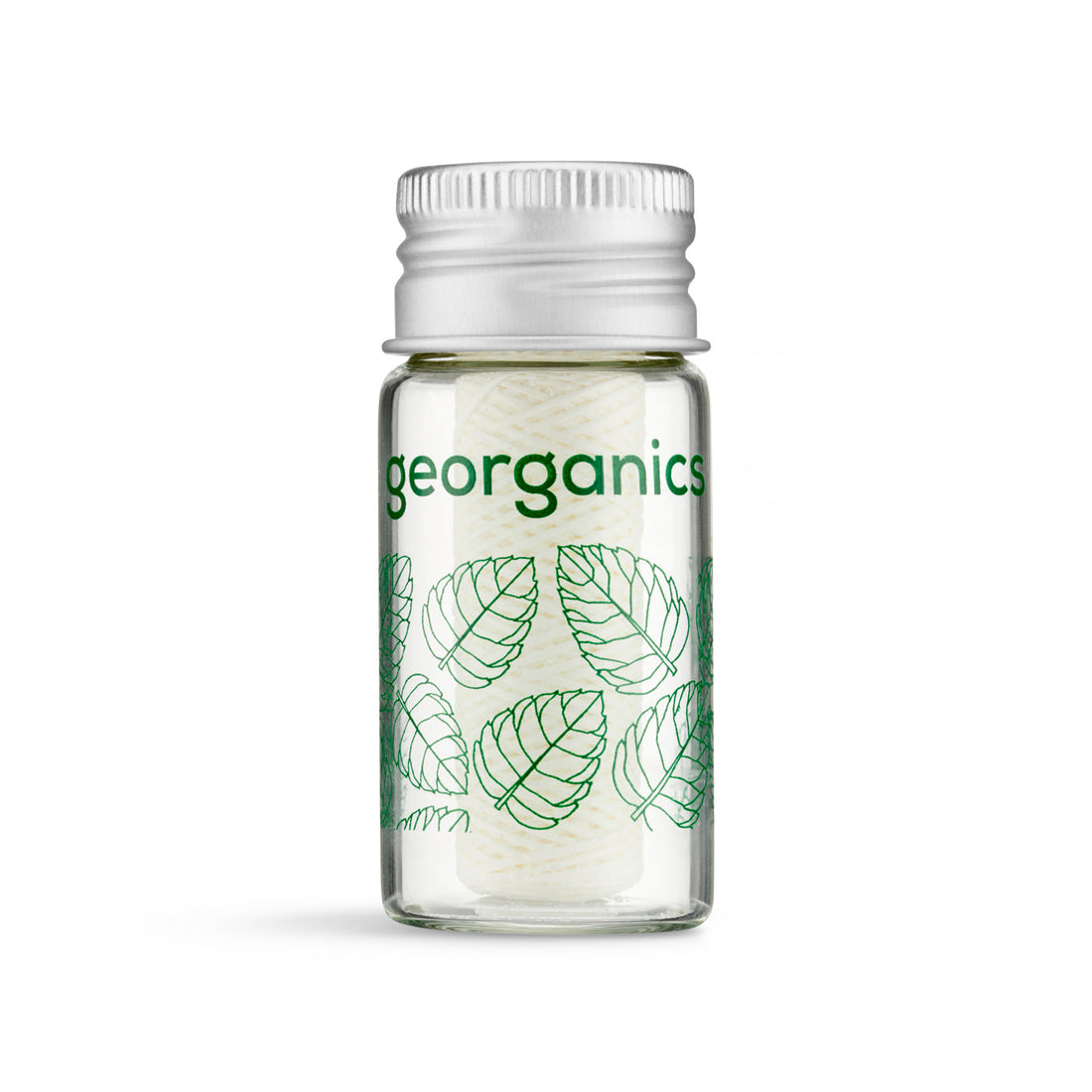
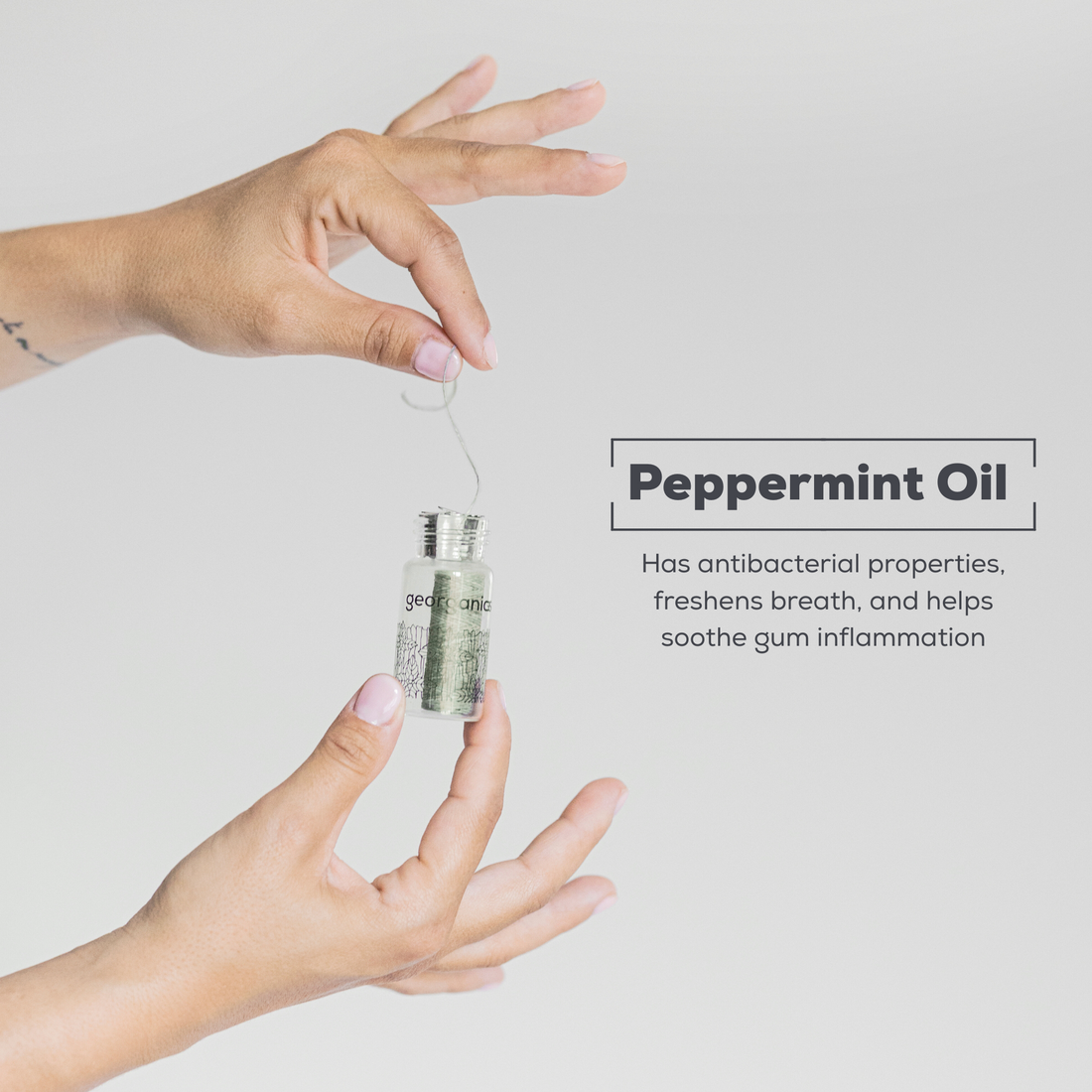 Vendor:Plastic Free Floss - English PeppermintGeorganics
Quick view

FAQs
What is erythritol and how does it help with plaque?
Erythritol is a sugar alcohol with specific anti-plaque properties that go beyond those of its better-known cousin xylitol. Like xylitol, erythritol cannot be metabolised by plaque-forming bacteria, disrupting their growth and acid production. But erythritol has a particular advantage when it comes to biofilms, the organised bacterial communities that form plaque. Its smaller molecular size (122 g/mol compared to xylitol’s 152 g/mol) allows it to penetrate existing biofilm structures more effectively, disrupting them from within. Studies have shown erythritol can reduce plaque weight and thickness, and it may be more effective
than xylitol at inhibiting biofilm formation in some conditions. You’ll find erythritol in our
Hydroxyapatite Toothpaste Fennel (fluoride-free) and our Prebiotics & Probiotics
Toothpaste, where it works alongside hydroxyapatite and pre/probiotics for a multi-angle approach to plaque control.
What is the best toothpaste ingredient for plaque control?
Several ingredients work against plaque through different mechanisms, and combining them is more effective than relying on one. Xylitol starves the primary plaque-forming bacteria (S.mutans) by disrupting their metabolism, it’s one of the most researched anti-plaque ingredients. Pre and probiotics support the beneficial bacteria that naturally compete with plaque-formers, shifting the balance of the oral microbiome. Calcium carbonate and kaolin
clay provide mechanical cleaning through gentle polishing action, physically disrupting the plaque biofilm during brushing. Hydroxyapatite smooths the enamel surface, which makes it harder for plaque to adhere. Our collection brings these together across different products: the Prebiotics & Probiotics Toothpaste for microbiome support, the Mineral Toothpaste Powder for mechanical cleaning, and the Hydroxyapatite Toothpaste Fresh Mint or Fennel for surface smoothing and remineralisation.
How often should you floss to prevent plaque build-up?
Once a day is the standard recommendation, and it’s sufficient when done thoroughly. The key is consistency rather than frequency: plaque takes 24 to 72 hours to begin hardening into tartar, so daily flossing disrupts it well within that window. The most effective time to floss is before brushing in the evening, this clears plaque and debris from between teeth so your toothpaste’s active ingredients can reach those surfaces. Our collection includes
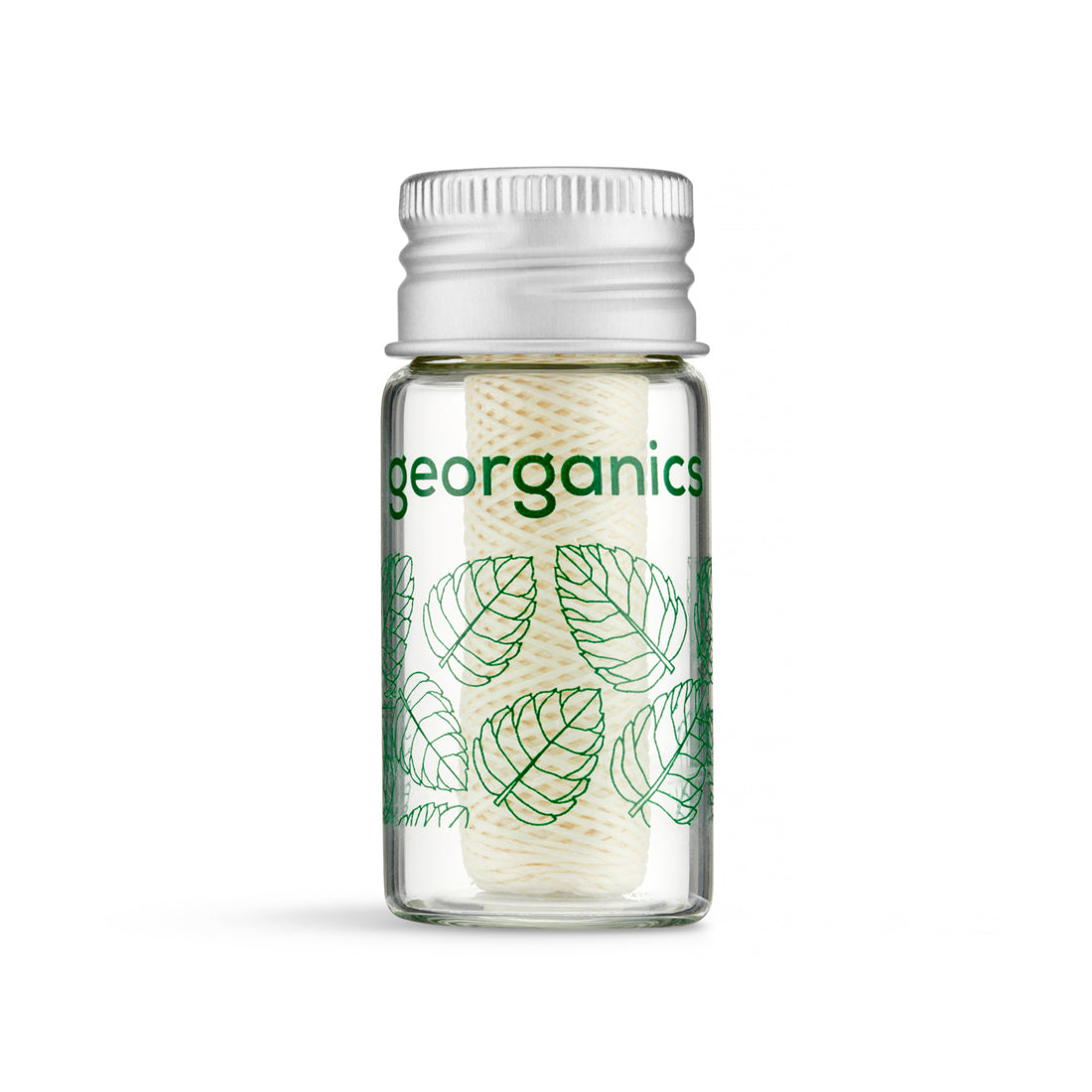
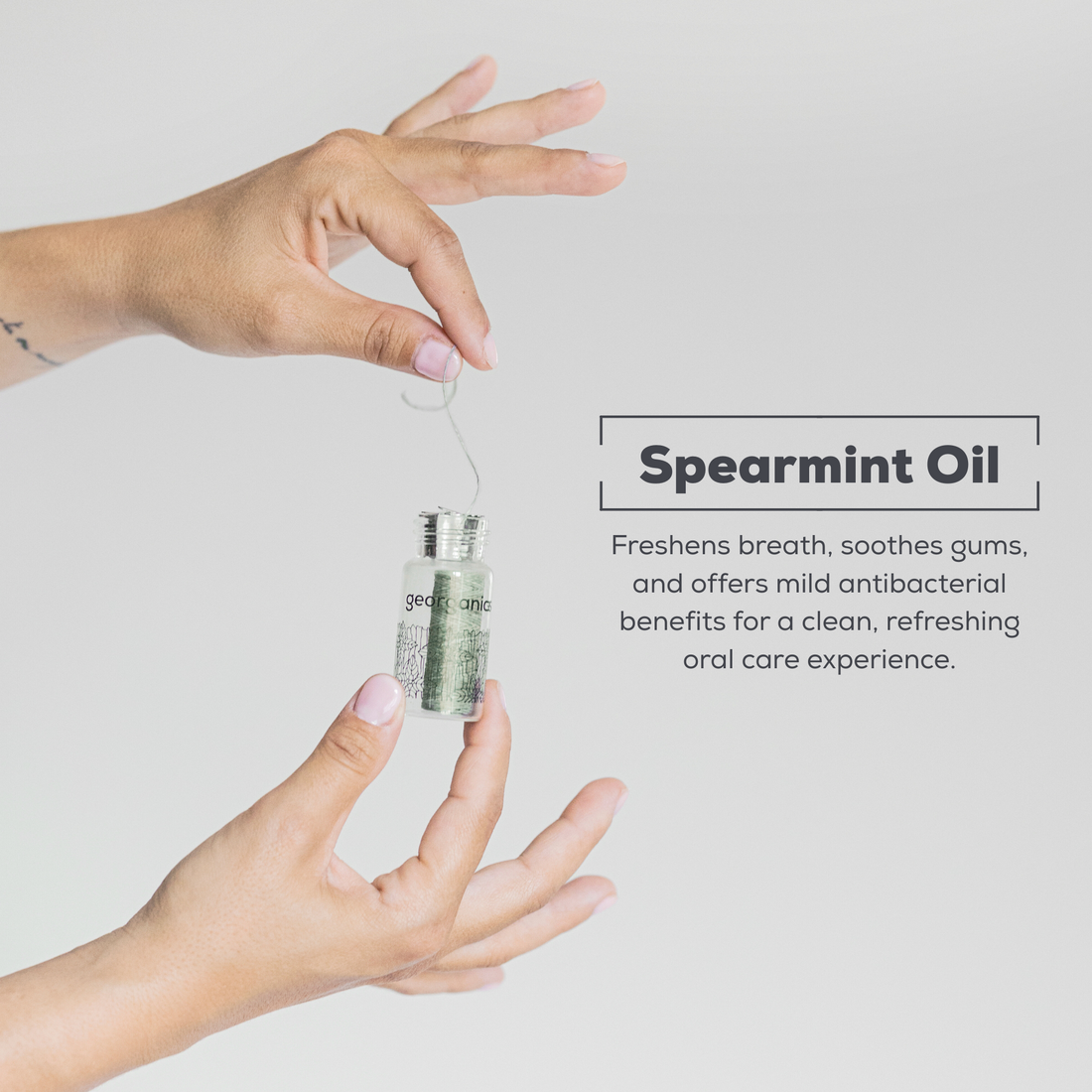
three floss options to suit different preferences: Bionylon Floss Spearmint (vegan, bionylon material), Plastic Free Floss Peppermint, and Fluoride Floss with Activated Charcoal for added fluoride delivery between teeth. Use about 45cm of floss per session, winding most around your middle fingers. Curve the floss into a C-shape around each tooth and slide it
gently below the gumline.
Why does tongue cleaning matter for plaque?
The tongue harbours a significant proportion of the bacteria in your mouth, its rough, papillated surface provides an ideal environment for bacteria to accumulate in a biofilm similar to dental plaque. These bacteria continuously shed into the saliva and recolonise tooth surfaces, contributing to plaque formation even after thorough brushing. A tongue scraper physically removes this bacterial reservoir far more effectively than brushing the tongue with a toothbrush. Our Beechwood Tongue Scraper is designed for this purpose: the flat edge glides across the tongue surface and removes the biofilm in a single pass. Used
daily after brushing, tongue scraping reduces the bacterial load in the mouth, slows plaque reformation, and noticeably improves breath freshness.
Is a sonic toothbrush better than a manual brush for plaque removal?
Clinical evidence consistently shows that sonic toothbrushes remove significantly more plaque than manual brushing alone. Our Sonic Toothbrush delivers 50,000 strokes per minute, far more than even the most diligent manual brusher can achieve. The highfrequency vibrations create fluid dynamics that disrupt plaque even slightly beyond the bristle tips, reaching into gum pockets and interdental spaces more effectively. The built-in 2-minute timer ensures full recommended brushing duration, and the consistent motion eliminates the variation in technique that makes manual brushing less predictable. For best results, hold the brush at a 45-degree angle to the gumline where plaque accumulates most, and let the vibrations do the work, no scrubbing pressure needed.
What is the difference between plaque and tartar?
Plaque is a soft, sticky biofilm of bacteria that forms on your teeth throughout the day. It’s colourless and constantly regenerating, within hours of brushing, a new layer begins to form. If plaque isn’t removed within 24 to 72 hours, it begins to mineralise and harden into tartar (also called calculus). Tartar is a hard, yellowish deposit that bonds firmly to the tooth surface and can only be removed by a dental professional with specialised instruments. The critical window is those first 24–72 hours: consistent daily brushing and flossing keeps plaque soft and removable. Our Mineral Toothpaste Powder Peppermint uses calcium carbonate and kaolin clay to mechanically disrupt plaque during brushing, while xylitol in our
Fluoride Free Toothpaste Peppermint (jar) reduces the bacterial adhesion that allows plaque to stick in the first place.
How does xylitol reduce plaque?
Xylitol works against plaque through a specific biochemical mechanism. Streptococcus mutans and other plaque-forming bacteria absorb xylitol thinking it’s sugar, but they cannot metabolise it. This effectively starves them and disrupts their energy production, reducing both their growth rate and their ability to produce the sticky glucans that allow plaque to adhere to tooth surfaces. Studies show that regular xylitol exposure can reduce S. mutans levels in saliva by up to 80%. Xylitol also stimulates saliva production, which provides
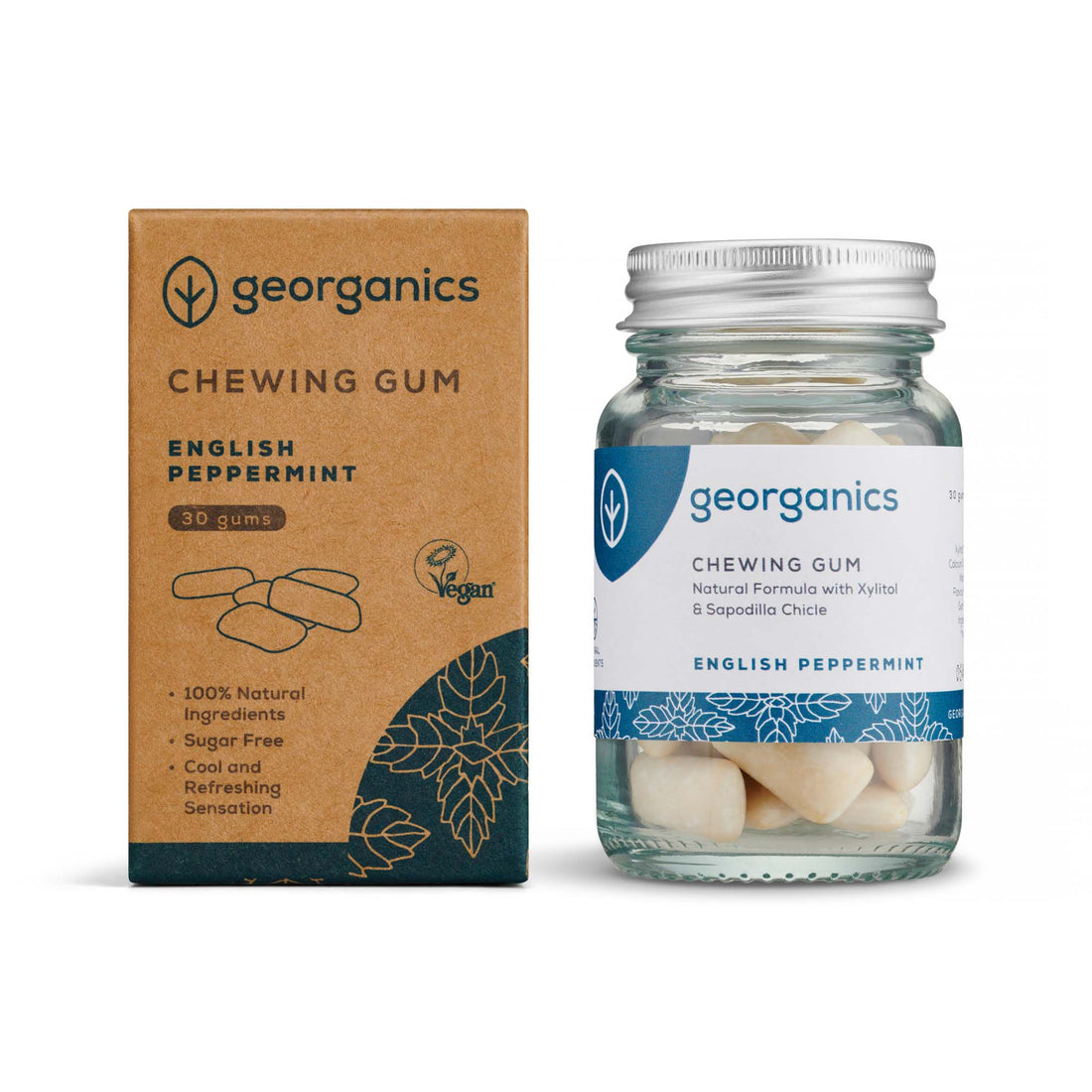
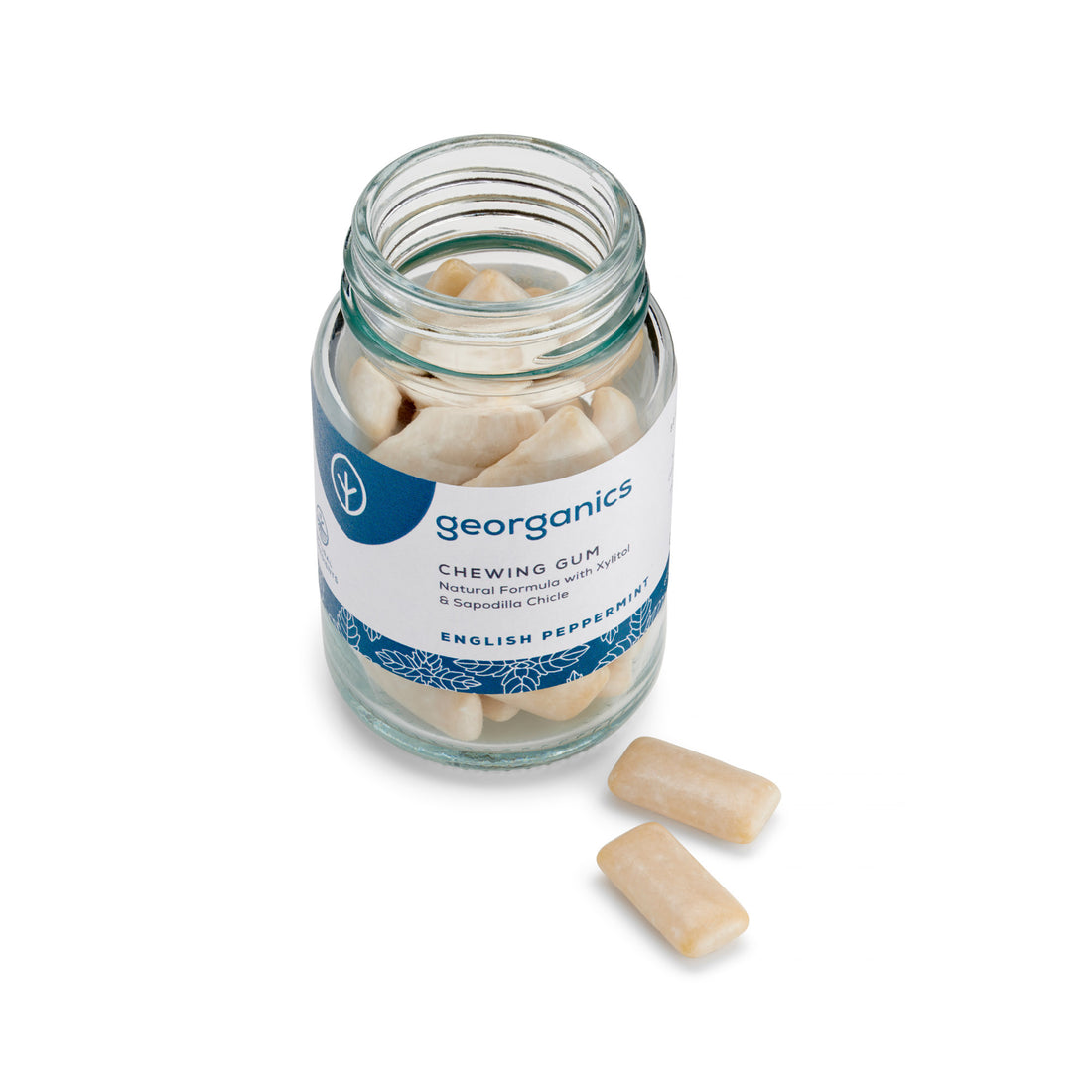
additional protection by washing away food particles and buffering acids. You’ll find xylitol in our Fluoride Free Toothpaste Peppermint (jar), our Mineral Toothpaste Powder, and our Peppermint Chewing Gum, the gum is particularly useful after meals when brushing isn’t possible.