

Xylitol
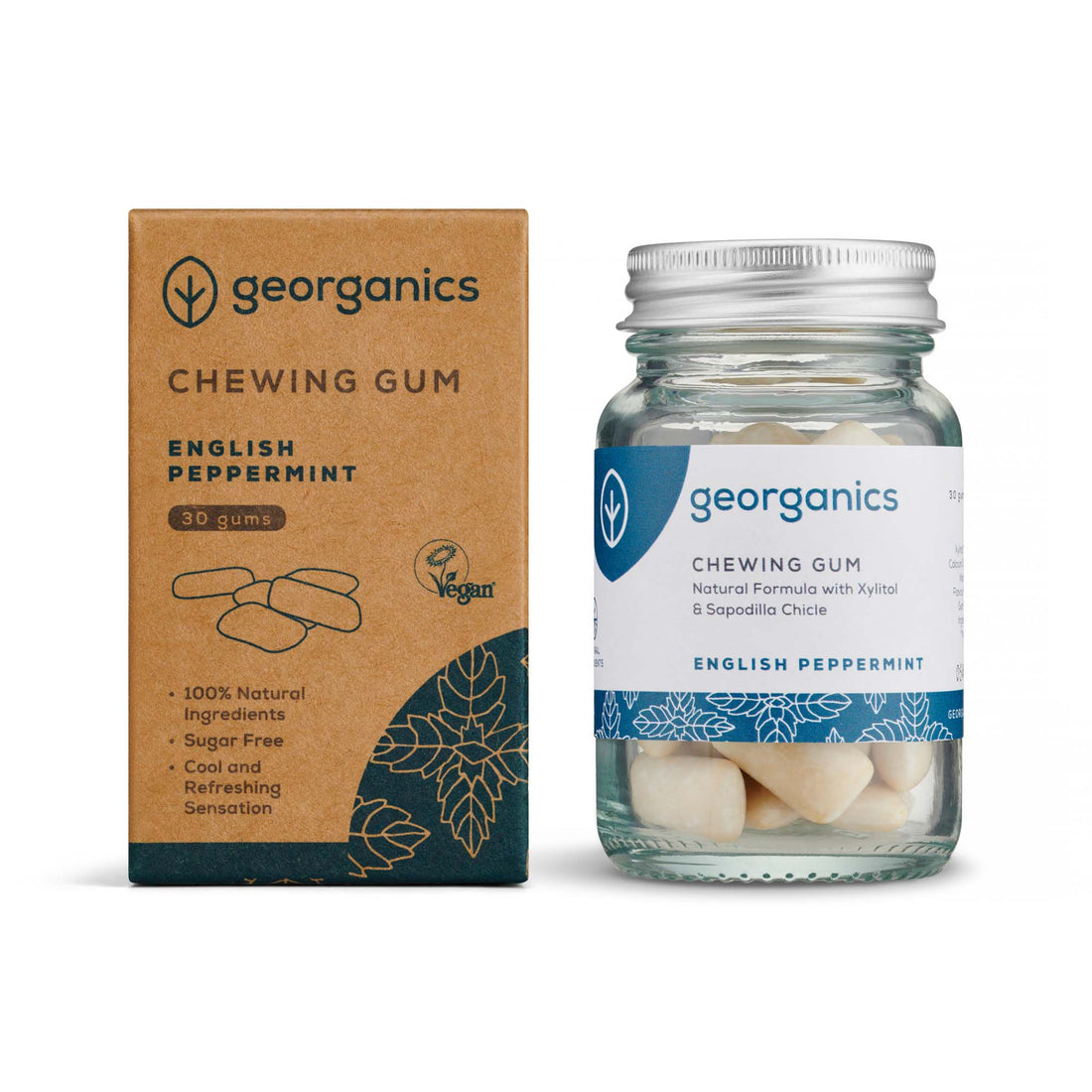
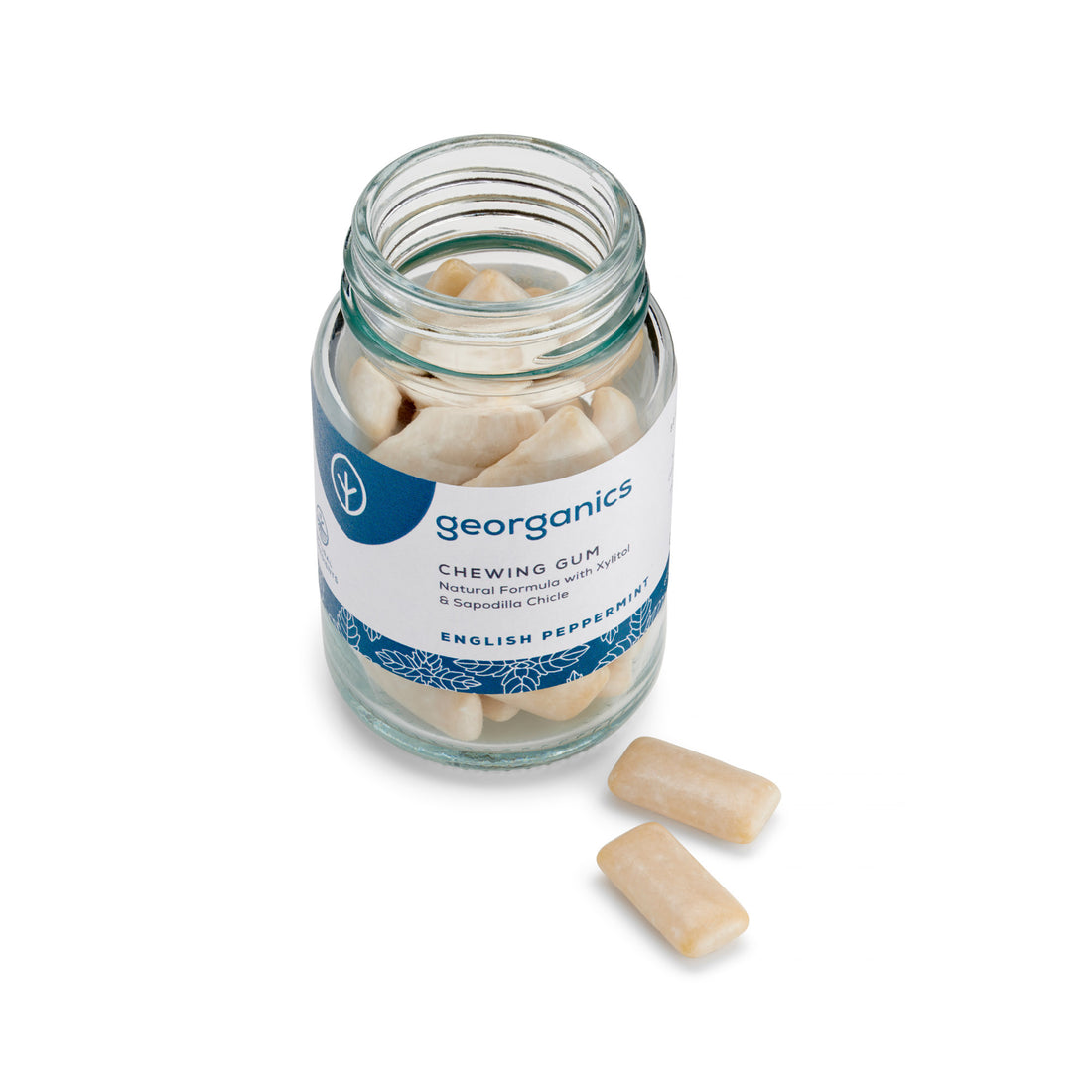
A naturally occurring sugar alcohol, Xylitol cannot be metabolised by the oral bacteria responsible for tooth decay, starving them of energy and reducing the acids that erode enamel. It also stimulates saliva production, your mouth's natural defence for neutralising acids and remineralising teeth. The easiest way to protect your teeth between brushes.
FAQs
What is xylitol?
Xylitol is a naturally occurring sugar alcohol found in birch bark, corn cobs and many fruits and vegetables. It looks and tastes like regular sugar, but its chemical structure is fundamentally different, which is what makes it so interesting for oral health. Unlike sucrose or glucose, xylitol has five carbon atoms instead of six, which means the bacteria in your mouth cannot ferment it the way they ferment normal sugars. This simple structural difference is the basis of all of xylitol's oral health benefits: it satisfies your taste for sweetness while actively working against the bacteria that cause tooth decay.
Is xylitol gum actually good for teeth?
Yes, and this isn't a marketing claim. Xylitol's oral health benefits have been studied extensively since the 1970s, with landmark research conducted in Finland (the Turku Sugar Studies) demonstrating dramatic reductions in cavity rates among xylitol users. The mechanism is clear: harmful bacteria, particularly Streptococcus mutans, cannot metabolise xylitol, so they produce less acid and gradually decline in number. At the same time, chewing stimulates saliva flow, which neutralises acids and delivers minerals back to the enamel. Chewing gum is one of the most effective delivery methods because it combines both effects over a sustained period.
Does xylitol remineralise teeth?
Xylitol does not directly remineralise enamel the way hydroxyapatite or calcium does, it doesn't add minerals to the tooth surface. However, it supports remineralisation indirectly through two important mechanisms. First, by reducing acid production from bacteria, xylitol creates a less hostile environment where your saliva's natural minerals can do their repair work more effectively. Second, by stimulating saliva flow, it increases the delivery of calcium and phosphate ions to the enamel surface. Think of xylitol as creating the conditions for remineralisation rather than performing the remineralisation itself.
Is xylitol gum safe for children?
Yes, xylitol gum is safe for children who are old enough to chew gum without swallowing it, generally from around age 6. For younger children, xylitol can also be delivered through other formats like toothpaste or oral drops. Xylitol gum can be a particularly helpful addition to a child's routine after school lunches or snacks, when brushing isn't practical. Some studies have even shown that regular xylitol use in children can reduce the transmission of cavity-causing bacteria from parent to child. As with any gum, supervise young children during use to ensure safe chewing.
Is xylitol gum better than regular sugar-free gum?
Most sugar-free gums use sweeteners like sorbitol or aspartame, which don't feed bacteria but also don't actively work against them. Xylitol goes a step further: it is specifically antibacterial. When Streptococcus mutans attempts to metabolise xylitol, the process fails and the bacteria essentially waste energy, weakening over time. Studies comparing xylitol gum to sorbitol gum have consistently shown greater reductions in cavity-causing bacteria and plaque levels with xylitol. So while any sugar-free gum is better than sugary gum, xylitol gum offers a genuine additional layer of active protection.
How many pieces of xylitol gum should I chew a day?
For optimal oral health benefits, aim for 3 to 5 pieces per day, chewed for about 10 to 20 minutes each time. The most effective moments are right after meals or snacks, when your mouth is most acidic and your enamel is most vulnerable. Spacing your gum use throughout the day is more effective than chewing multiple pieces in one sitting, because it maintains consistent exposure and keeps saliva flow elevated across more of the day. Each piece delivers both the antibacterial effect of xylitol and the mechanical benefit of chewing-stimulated saliva.
Complete your natural oral care routine with these perfect pairings
-
Next Generation Toothpastes
discover our toothpastesPair your Chewing Gum with our Next Generation Toothpaste! Formulated with Hydroxyapatite to protect your enamel and say goodbye to cavities and gingivitis.
-
Dental Floss
discover our dental flossComplement your chewing gum with our dental floss collection to effectively remove plaque and maintain healthy gums.
-
Interdental Brushes
discover our interdental brushesComplement your chewing gum with our. Interdental Brushes to effectively remove plaque and maintain healthy gums.