

Coconut Oil
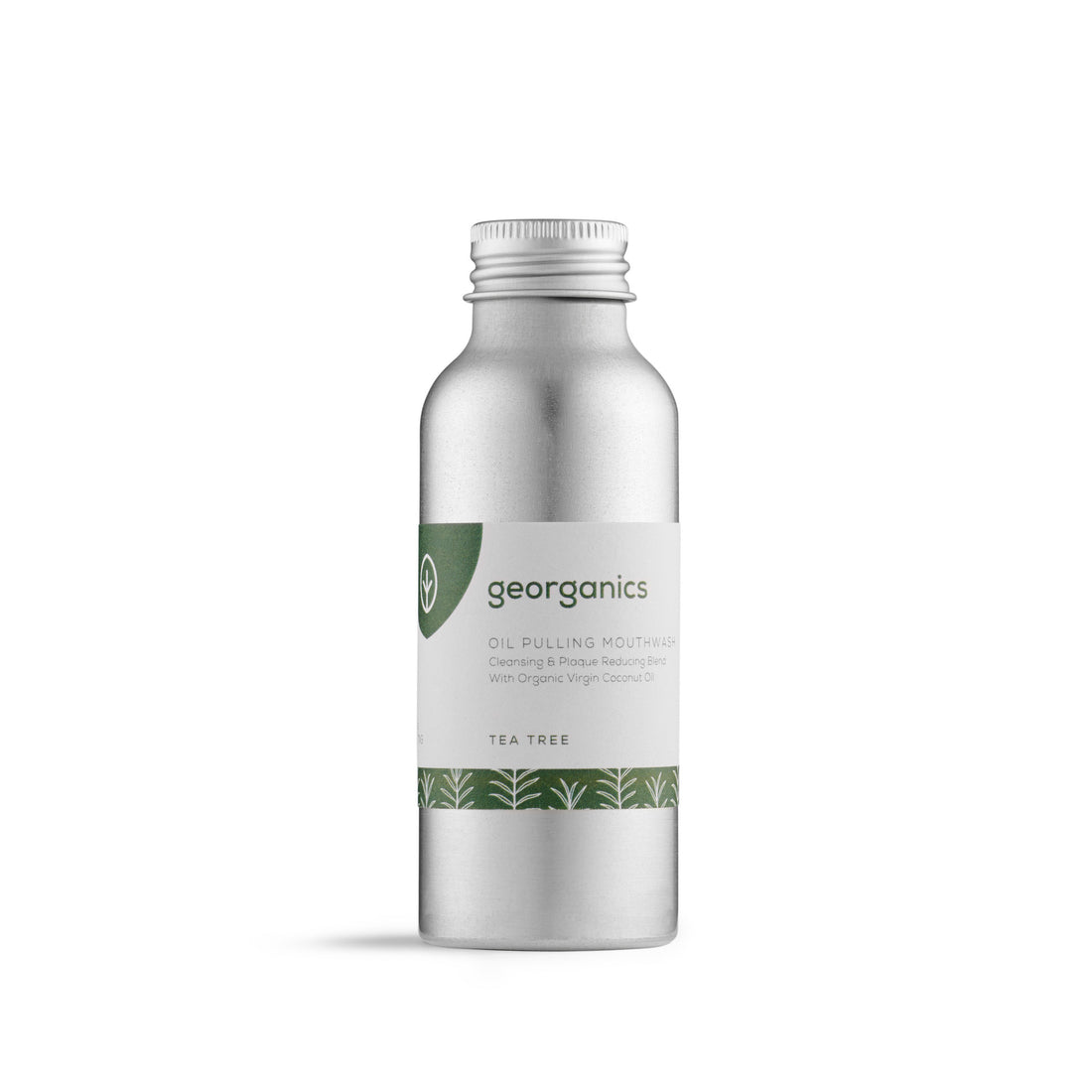
Rich in lauric acid, a fatty acid with natural antimicrobial properties, coconut oil has been used in oral care for centuries, most notably through the Ayurvedic practice of oil pulling. Our coconut oil range includes jar toothpastes and oil pulling blends designed to help reduce harmful bacteria, support gum health and leave your mouth feeling genuinely clean.
FAQs
What are the benefits of coconut oil for oral health?
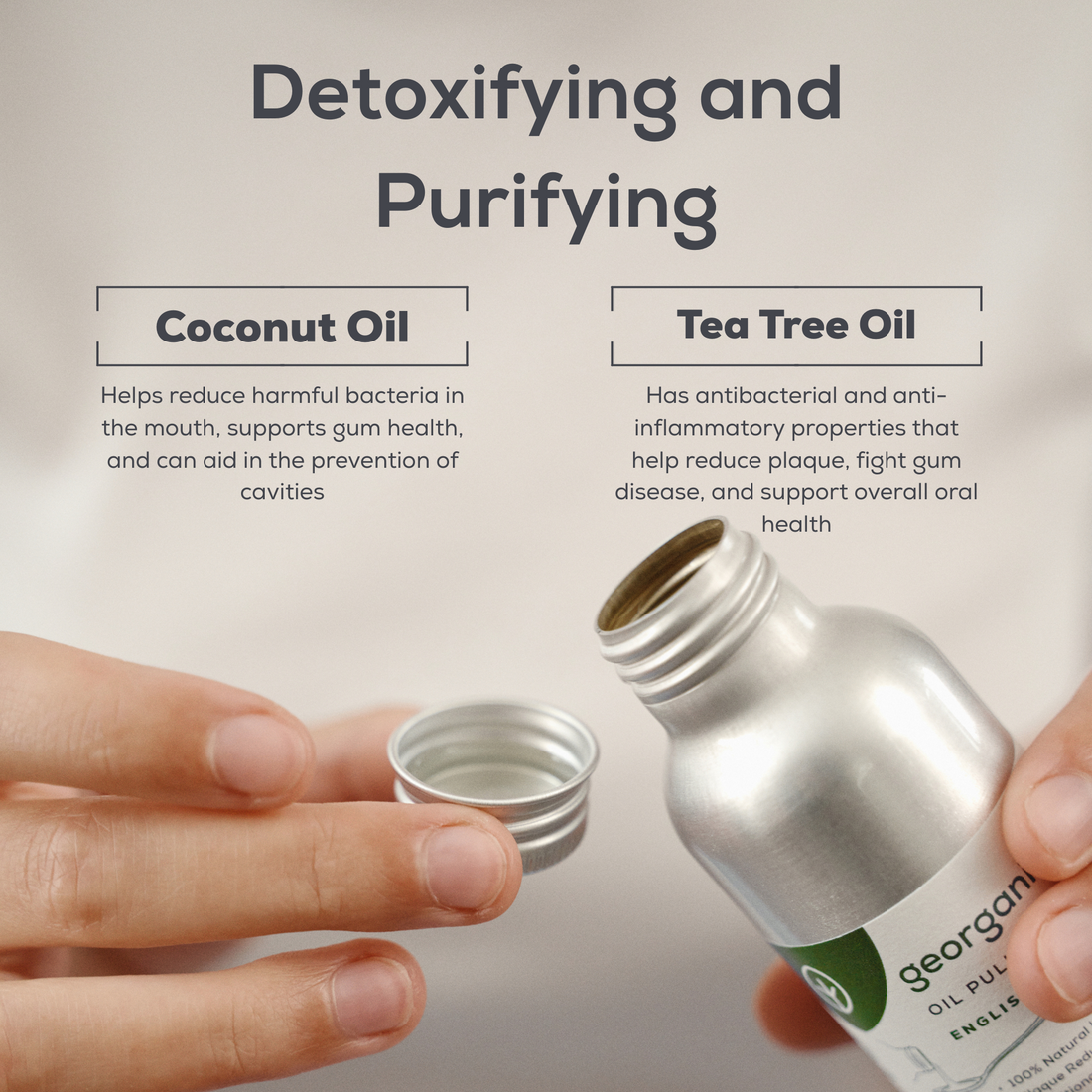
Coconut oil is rich in lauric acid, a medium-chain fatty acid that accounts for roughly 50% of its composition and has well-documented antimicrobial properties. In the mouth, lauric acid disrupts the cell membranes of harmful bacteria, helping to reduce the populations responsible for plaque build-up, gum inflammation and bad breath. Beyond its antibacterial action, coconut oil also has natural anti-inflammatory properties that can help soothe irritated gum tissue. It has been used in oral care for centuries, most notably in the Ayurvedic tradition of oil pulling, and is now supported by a growing body of modern clinical research.
Is coconut oil effective against plaque and gum inflammation?
Yes. Several clinical studies have demonstrated that regular use of coconut oil in oral care, whether through oil pulling or coconut oil-based toothpaste, can lead to measurable reductions in plaque scores and gum inflammation markers. The antimicrobial action of lauric acid helps reduce the bacterial biofilm that forms plaque, while coconut oil's natural anti-inflammatory properties help calm swollen or bleeding gums. The effects are cumulative: consistent daily use over two to four weeks typically shows noticeable improvements, particularly for people dealing with early-stage gingivitis or persistent plaque build-up.
What is lauric acid and why does it matter for teeth and gums?
Lauric acid is a medium-chain fatty acid found in high concentrations in coconut oil. What makes it particularly relevant for oral health is its ability to break down the lipid membranes of bacteria, effectively weakening and killing harmful micro-organisms on contact. Research has shown that lauric acid is particularly effective against Streptococcus mutans (the primary bacteria behind tooth decay) and Porphyromonas gingivalis (a key driver of gum disease). Unlike harsh chemical antibacterials that disrupt the entire oral microbiome, lauric acid works more selectively, which makes it a gentler but still effective option for supporting a cleaner, healthier mouth.
Can coconut oil help with bad breath?
Most bad breath originates from volatile sulphur compounds (VSCs) produced by bacteria on the tongue and around the gum line. By reducing the populations of these odour-producing bacteria, coconut oil helps address the root cause of bad breath rather than simply masking it with a strong flavour. Lauric acid's antimicrobial action targets the bacteria responsible for VSC production, and the oil itself helps lift and trap debris from hard-to-reach areas of the mouth. Many people notice a genuine improvement in breath freshness after incorporating coconut oil oral care into their daily routine, particularly in the morning.
Is coconut oil toothpaste suitable for sensitive teeth and gums?
Coconut oil toothpaste is one of the gentlest options available, making it particularly well-suited for people with sensitive teeth or irritated gums. Unlike many conventional toothpastes that contain SLS (sodium lauryl sulphate), a foaming agent known to cause irritation in some people, coconut oil-based formulations are naturally SLS-free. The oil itself has a soothing, coating quality that helps calm inflamed gum tissue rather than aggravating it. If your sensitivity is linked to gum recession or inflammation, a coconut oil toothpaste can provide effective daily cleaning while being genuinely kind to your mouth.
How is a coconut oil based toothpaste different from regular toothpaste?
A coconut oil toothpaste jar uses coconut oil as its base instead of the water and synthetic gels found in conventional tube toothpaste. This means the texture is different, it's a solid or semi-solid balm that melts on contact with your toothbrush and body heat. The format allows for a simpler, cleaner ingredient list: because coconut oil is naturally stable and antimicrobial, there's less need for preservatives and binding agents. You use a small spatula or clean fingertip to scoop a pea-sized amount onto your brush. It takes a day or two to adjust to the format, but many people find the clean, natural feel more satisfying than conventional paste once they're used to it.
Is coconut oil oral care safe for everyday use?
Absolutely. Coconut oil is non-toxic, food-grade and has been used in daily oral care practices for thousands of years. There are no known adverse effects from using coconut oil toothpaste or oil pulling products on a daily basis. It is safe for adults and children alike, and there is no risk associated with accidental swallowing. The only consideration is for people with a known coconut allergy, though true coconut allergies are rare, if you have one, these products are not suitable for you. For everyone else, coconut oil oral care is designed to be part of your daily routine, morning and evening.
Complete your natural oral care routine with these perfect pairings
-
Beechwood Toothbrush
discover our beechwood toothbrushComplete your routine with our Beechwood Toothbrush for a fully natural and sustainable oral care routine.
-
Mouthwash Tablets
discover our mouthwash tabletsElevate your oral care routine with our Mouthwash Tablets for powerful antibacterial protection and long-lasting fresh breath.
-
Dental Floss
discover our dental flossComplement your toothpaste with our dental floss collection to effectively remove plaque and maintain healthy gums.